Topical Finasteride: Does It Work for Hair Loss?

- Finasteride is a 5-alpha reductase inhibitor that blocks the conversion of testosterone into DHT, the hormone driving male pattern baldness
- While oral finasteride has strong evidence for regrowth and preservation, concerns about sexual side effects have driven interest in topical formulations that minimize systemic absorption
- Recent clinical research demonstrates that topical finasteride can match oral finasteride's hair regrowth benefits while producing 70 to 80 percent lower systemic DHT suppression
- Topical finasteride remains largely unavailable as an FDA-approved pharmaceutical but is increasingly available through compounding pharmacies and telehealth prescribers
Quick Answers:
- How does topical finasteride work for hair loss? It blocks DHT conversion locally on the scalp, reducing the hormone's effect on hair follicles, similar to oral finasteride but with less systemic exposure.
- Is topical finasteride as effective as oral finasteride? Clinical data suggests comparable hair regrowth outcomes when both are used correctly, but topical produces significantly lower DHT suppression systemically.
- What concentration of topical finasteride is used? Most clinical evidence and prescribing protocols use 0.25 percent topical finasteride applied daily.
- How is topical finasteride accessed? Topical finasteride is not FDA-approved as a finished pharmaceutical product in the US but can be obtained through compounding pharmacies with a prescription.
- Does topical finasteride cause sexual side effects? Because it minimizes systemic DHT suppression, the risk of sexual dysfunction appears substantially lower than with oral finasteride, though some systemic absorption still occurs.
The Mechanism of Finasteride and Why Topical Matters
Finasteride blocks the enzyme 5-alpha reductase type II, which converts free testosterone into dihydrotestosterone, or DHT. DHT is the key hormone driving androgenetic alopecia, male pattern baldness. In genetically predisposed men, DHT causes hair follicles in the scalp to miniaturize, producing shorter, thinner hairs that eventually stop growing altogether. By blocking DHT conversion, finasteride halts this miniaturization process and can allow previously miniaturized follicles to recover and produce thicker, longer hairs. This mechanism is powerful and well-validated, which is why oral finasteride became an FDA-approved treatment for hair loss in 1998. However, oral finasteride also reduces DHT levels throughout the entire body, not just on the scalp. This systemic DHT suppression is the reason some men experience sexual side effects including erectile dysfunction, reduced libido, or difficulty with ejaculation, though these effects occur in a minority of men and often resolve after discontinuation. Topical finasteride approaches the problem differently. When applied as a solution or spray directly to the scalp, the medication absorbs through skin and localizes to hair follicles and sebaceous glands in that area. Studies using radiolabeled finasteride show that topical application results in scalp DHT reduction of 70 to 90 percent while reducing systemic DHT by only 20 to 30 percent, compared to oral finasteride which reduces systemic DHT by 70 percent or more. This dramatic difference in systemic exposure theoretically should reduce sexual side effect risk substantially while maintaining therapeutic benefit at the site of hair loss.
Clinical Evidence and Efficacy Outcomes
The most compelling evidence comparing topical and oral finasteride comes from a 2020 study published in JAMA Dermatology by researchers at UC San Diego. This randomized controlled trial compared three groups: men taking 1 milligram of oral finasteride daily, men applying 0.25 percent topical finasteride solution daily, and a placebo group. After 24 weeks, both active treatment groups showed comparable hair count increases at the crown, the primary outcome measure. Hair diameter also increased similarly in both finasteride groups compared to placebo. Importantly, serum DHT levels decreased 72 percent in the oral finasteride group but only 25 percent in the topical group, confirming the selective local action of the topical formulation. Another study from 2019 in Dermatologic Surgery found that men using topical finasteride combined with topical minoxidil experienced significant improvements in hair regrowth, with benefits comparable to historical data from men using oral finasteride plus topical minoxidil. Sexual function assessments in the topical finasteride studies have been limited, but the significantly lower systemic DHT suppression suggests substantially lower risk. Several smaller studies specifically examining sexual function with topical finasteride found no significant changes in sexual satisfaction, libido, or erectile function, though larger, longer-term studies would strengthen this evidence. What remains unclear is whether topical finasteride effectiveness plateaus or continues to improve beyond 24 weeks, and whether benefits persist long-term. Limited follow-up data suggests sustained benefit with continued use, though hair regrowth may slow after initial improvements.

Formulations, Access, and Cost Considerations
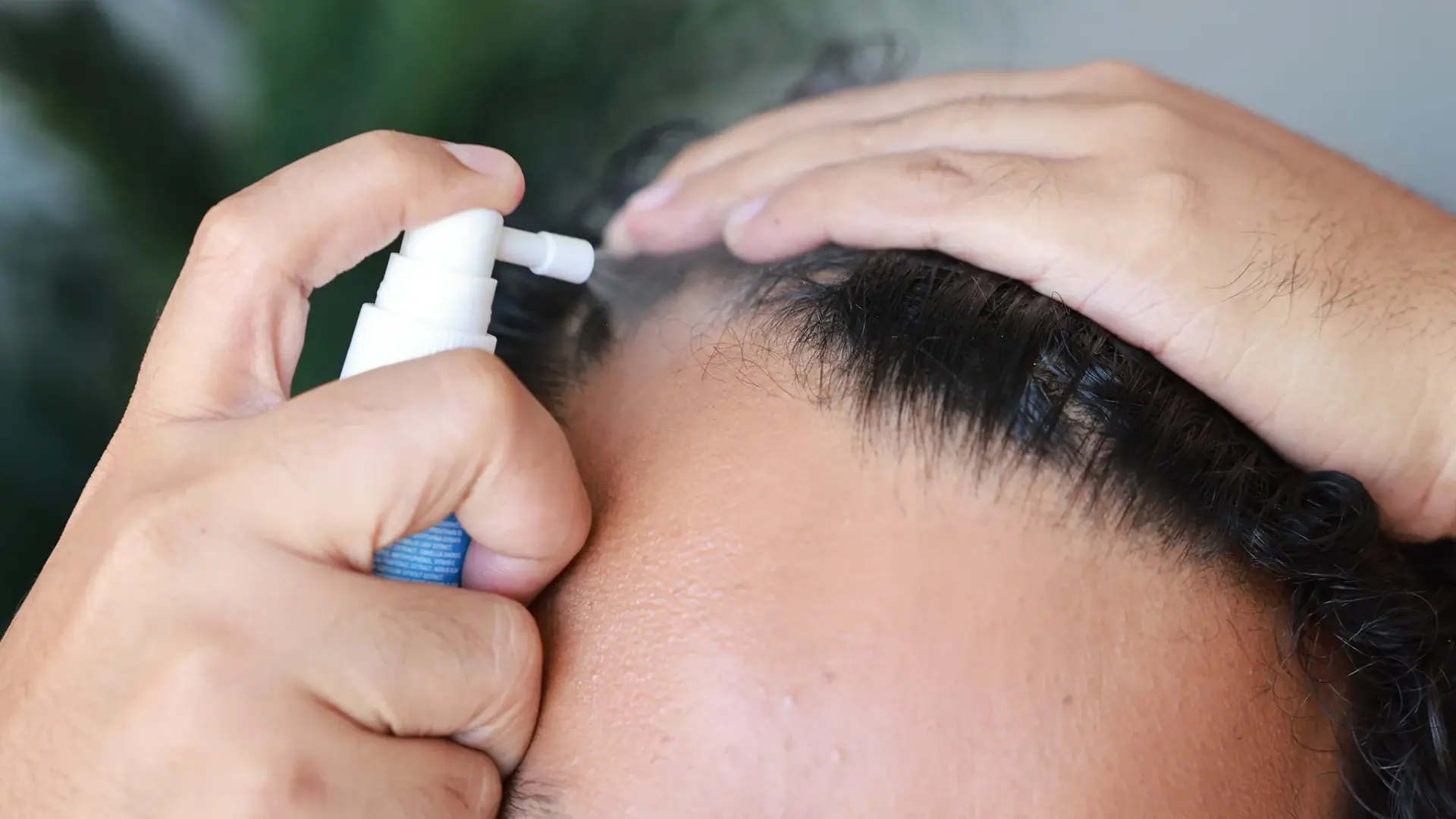
Topical finasteride is available primarily through compounding pharmacies, where it can be prepared as a solution, spray, or combined with other hair loss treatments like minoxidil. The most common formulation is 0.25 percent finasteride in a solution vehicle, applied to the scalp once daily, typically in the evening. Some compounding pharmacies offer finasteride combined with minoxidil in one product, which may improve compliance and provide synergistic benefits for hair regrowth. The main limitation to obtaining topical finasteride in the United States is that it lacks FDA approval as a finished pharmaceutical product. This means it cannot be manufactured and marketed by major pharmaceutical companies, and insurance typically does not cover it. However, the FDA permits licensed pharmacies to compound medications based on valid prescriptions from licensed healthcare providers. Many telehealth providers who specialize in hair loss treatment now offer prescriptions for topical finasteride, making access relatively straightforward for those who know where to look. Cost typically ranges from 40 to 80 dollars per month for compounded topical finasteride, considerably less than oral finasteride with insurance copays but more than generic oral finasteride prices when paying cash. Quality and concentration consistency can vary between compounding pharmacies, so working with established pharmacies that specialize in dermatology compounds is advisable. Some men find that having one prescription filled suggests they have confidence in the pharmacy's quality control, while others compare prices across multiple compounders.
Timeline, Combination Therapy, and Realistic Results
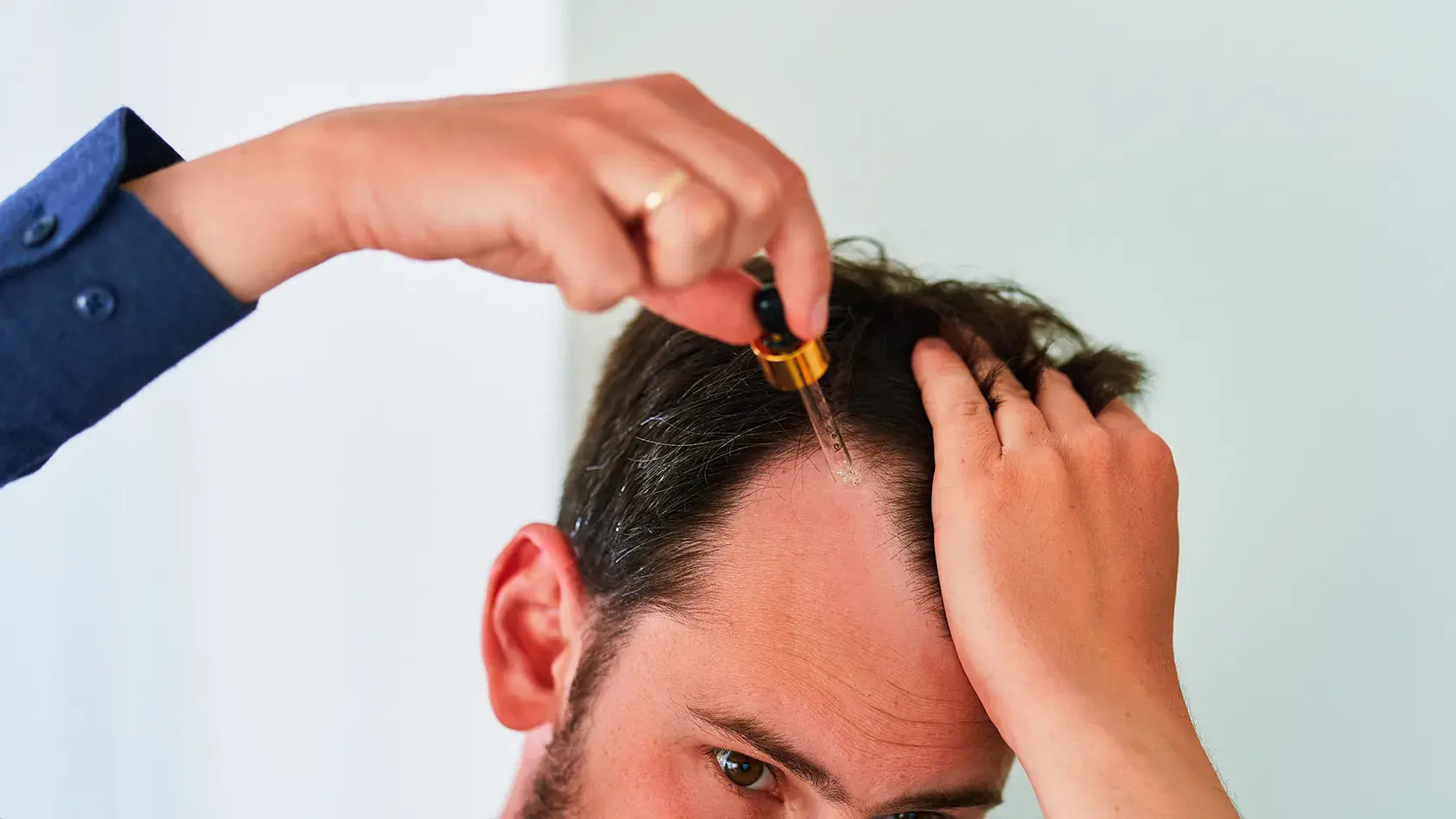
Results from topical finasteride require patience. Most men do not notice visible improvement until four to six months of consistent use, with maximal benefits often not apparent until six to twelve months. This timeline mirrors oral finasteride's effects. Consistency matters significantly, since missing applications or skipping days undermines the cumulative effect. For best results, men should apply topical finasteride to a clean, dry scalp once daily, typically at night, using the provided applicator or bottle tip. Combination therapy appears more effective than finasteride monotherapy. Most experts recommend using topical finasteride in conjunction with topical minoxidil for superior hair regrowth. Minoxidil works through a different mechanism, promoting hair follicle growth and extending the anagen phase. The combination addresses both the DHT problem and the growth phase optimization, producing complementary effects. Some men also add oral minoxidil or systemic medications like spironolactone for further optimization, though this decision should involve a dermatologist. For men concerned about sexual side effects with oral finasteride, topical finasteride offers a reasonable alternative with comparable efficacy and substantially reduced systemic hormone exposure, though some systemic absorption still occurs. Realistic expectations involve modest hair regrowth and slowing of hair loss, not complete restoration of a fuller head of hair or dramatic visual transformation in most cases. The goal is to preserve existing hair and recover some density, not to reverse significant hair loss completely.

Topical finasteride represents a scientifically sound option for men seeking to address androgenetic alopecia while minimizing systemic hormone exposure and associated side effect risks. Clinical evidence from well-designed trials demonstrates comparable hair regrowth outcomes to oral finasteride, paired with 70 to 80 percent lower systemic DHT suppression. While not yet FDA-approved as a finished product, topical finasteride is accessible through compounding pharmacies and telehealth prescribers at reasonable cost. The primary limitation remains that clinical experience is less extensive than with oral finasteride, and long-term follow-up data beyond 12 months remains limited. For men who have experienced side effects from oral finasteride, or who are concerned about sexual function when considering systemic DHT suppression, topical finasteride offers a compelling alternative worth exploring with a dermatologist or hair loss specialist.

Continue Reading
The latest handpicked blog articles
Check all articles