Minoxidil Side Effects: Complete Safety Information

Introduction
- Minoxidil is widely used to treat hair loss in both men and women
- While effective, it can cause mild or moderate side effects in some users
- Learn what to expect when starting treatment and how to reduce risks
- Understand how your scalp and body might react and when to contact a provider

What are common minoxidil side effects?
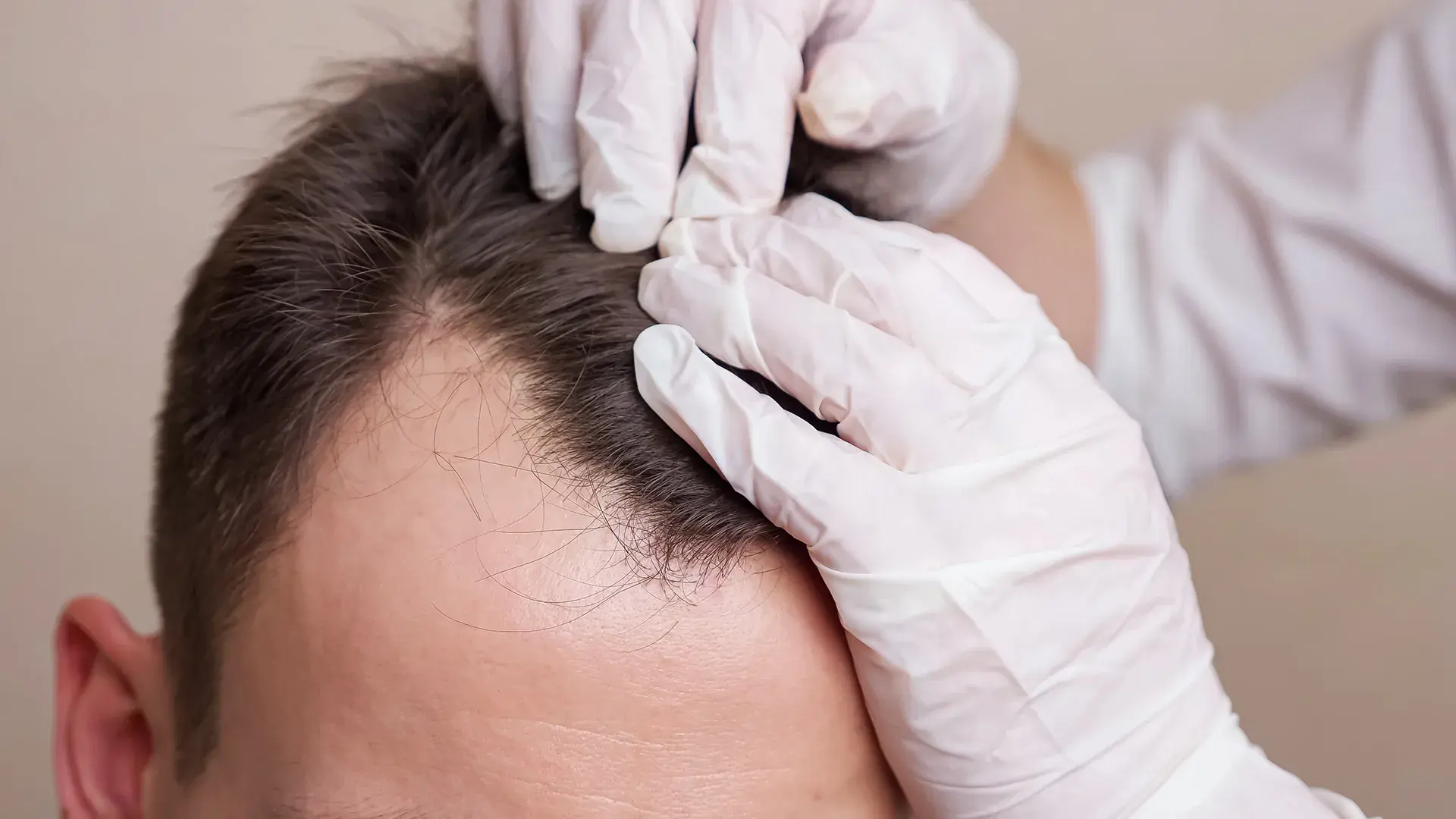
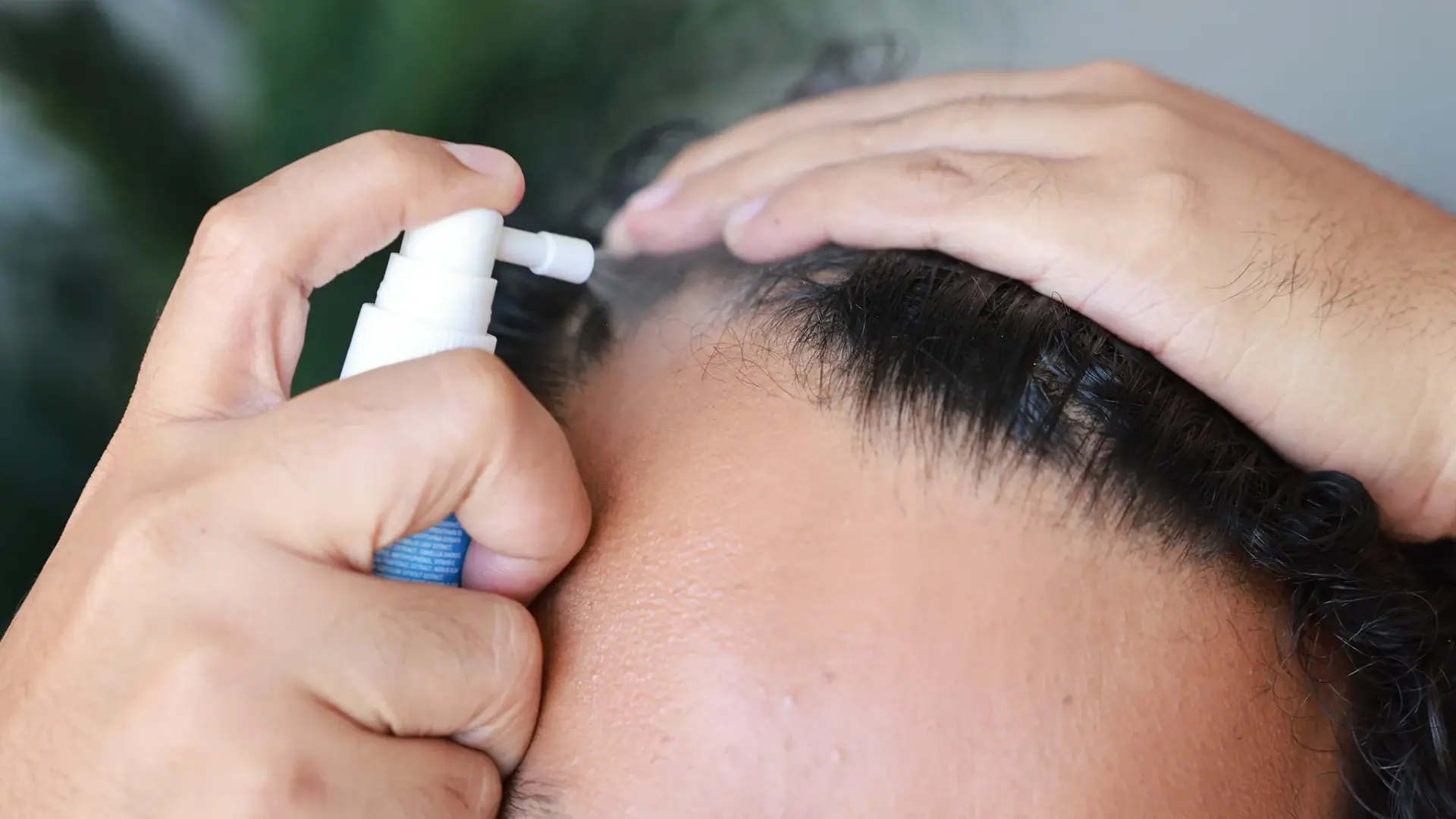
Minoxidil, whether in liquid or foam form, is generally safe when used as directed. However, some users experience side effects, particularly during the first few weeks of use.
The most common side effects include:
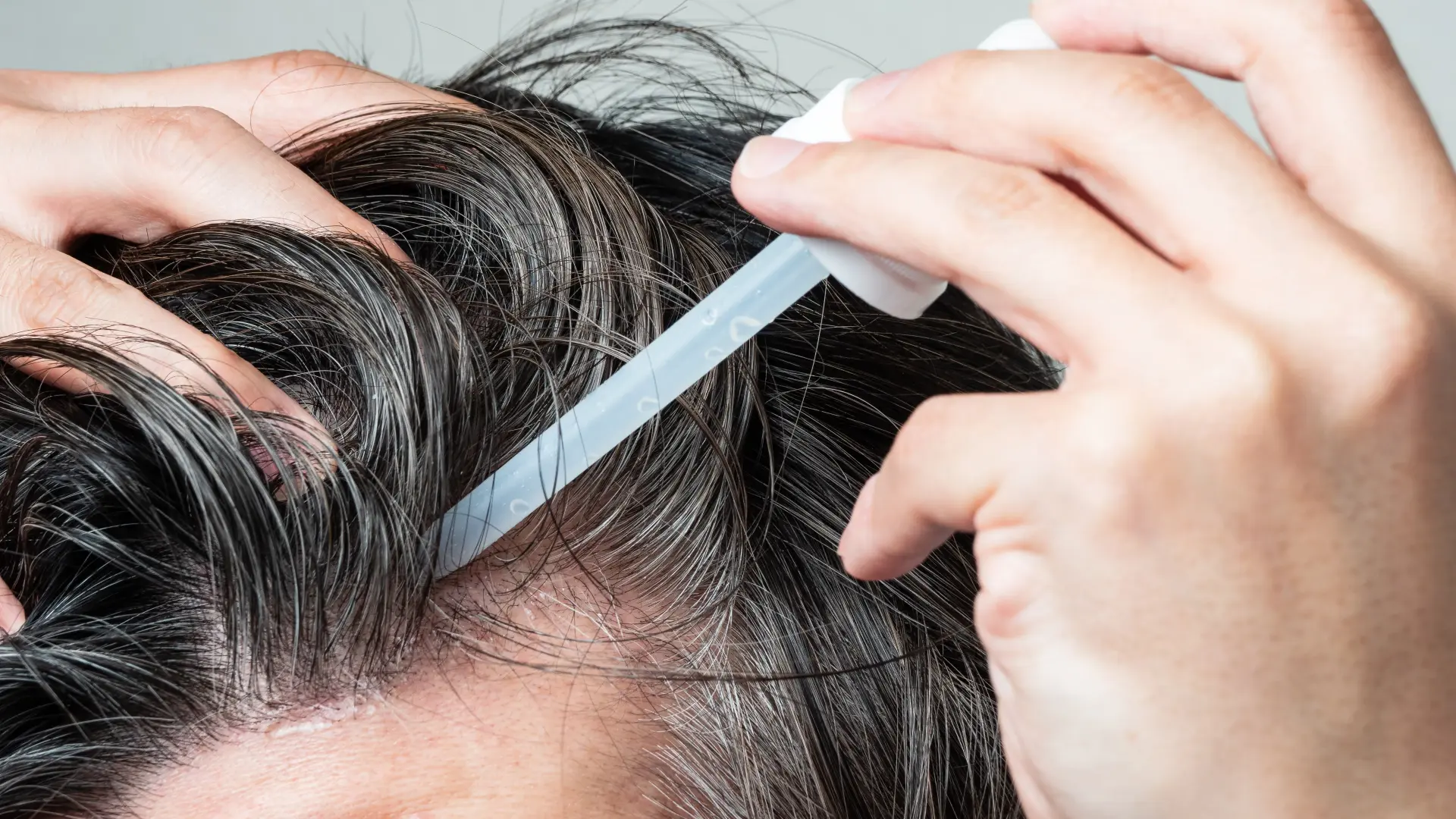
- Scalp irritation or dryness
- Itching or burning sensation
- Flaking or redness around the application site
- Increased hair shedding (initially)
These effects usually resolve on their own as your scalp adjusts.
Can minoxidil cause hair loss?
Ironically, yes — but only temporarily. Some users notice more hair falling out within the first few weeks. This phenomenon is known as "minoxidil shedding."
Here’s why it happens:
- Minoxidil shortens the resting phase of hair
- Old, weaker hairs fall out to make room for newer, healthier growth
- This process is a sign the medication is working
The shedding should subside within 4–6 weeks. If it worsens or persists longer, consult your provider.
What about systemic side effects?
Rarely, minoxidil can be absorbed through the skin and affect other areas of the body. These systemic effects are uncommon but may include:
- Unwanted hair growth on the face or body
- Dizziness or lightheadedness
- Swelling of hands or feet
- Fast or irregular heartbeat
Stop using the product and contact your provider if these occur.


Who is most at risk for side effects?
You may be more likely to experience side effects if:
- You apply more than the recommended dose
- You use it on broken or inflamed skin
- You are sensitive to propylene glycol (found in some formulas)
- You have underlying heart or vascular conditions
Sticking to the recommended dosage (typically 1 mL twice daily) reduces the risk of irritation or absorption issues.
Tips to reduce minoxidil side effects
- Use foam formulas if you have sensitive skin
- Apply to dry scalp only
- Wash hands after use
- Allow time for the product to dry before using hats or laying down
- Avoid contact with eyes or other areas of the face
Patience is key: It may take 3–6 months to notice regrowth.
When to see a provider
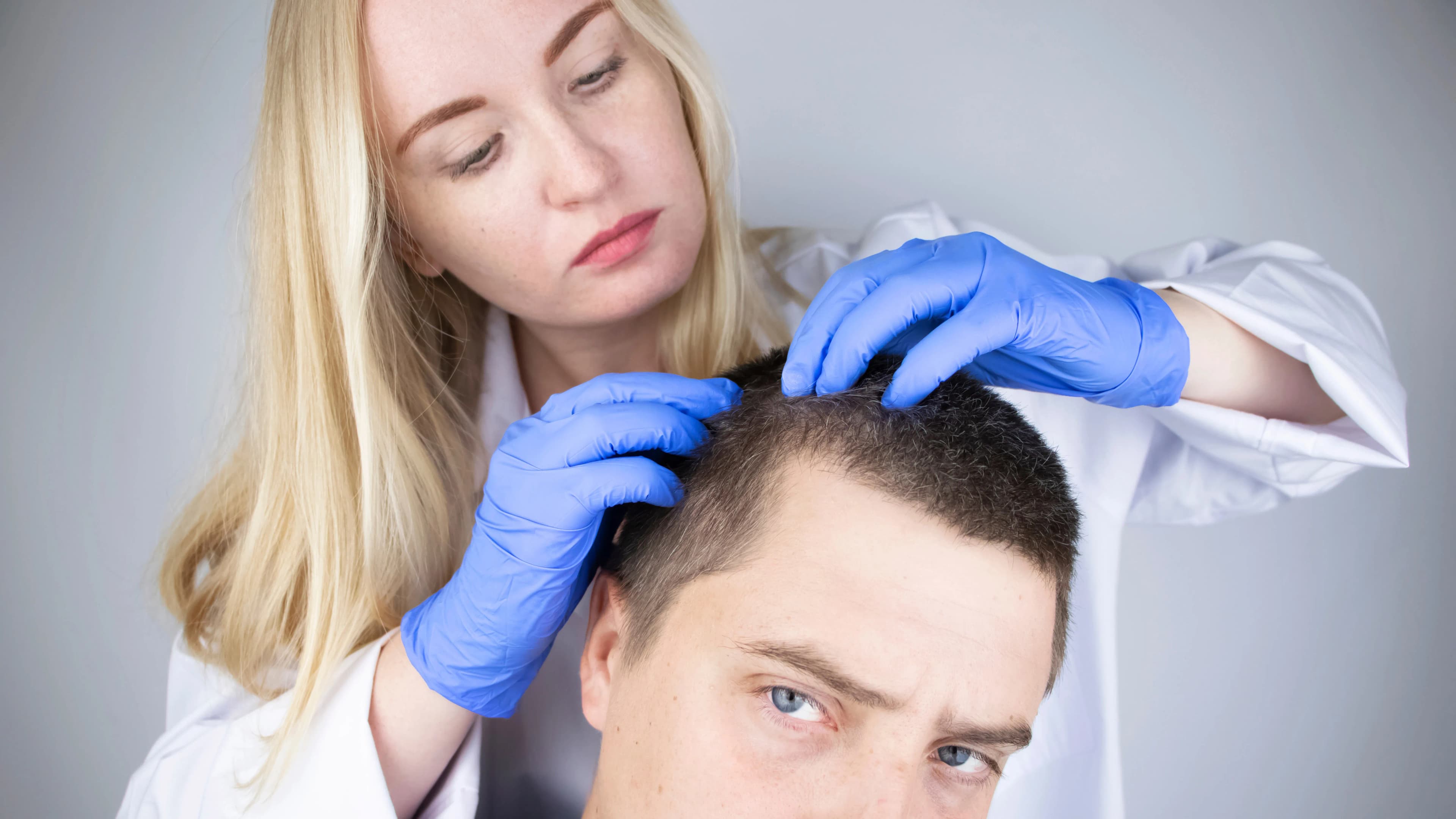
If side effects persist or worsen, a provider can help evaluate your scalp and adjust your treatment plan. They may suggest:
- Switching formulas
- Reducing frequency
- Using other treatments like oral finasteride or supplements
Conclusion
Minoxidil is a powerful and accessible hair loss treatment, but it’s not without side effects. From temporary shedding to minor irritation, most reactions are manageable and short-term.

Continue Reading
The latest handpicked blog articles
Check all articles