Cowlick vs Balding: How to Tell the Difference


- A cowlick is a natural hair growth pattern where follicles are angled in a way that creates a distinctive whorl or swirl, typically present from birth and unchanged throughout life
- Male pattern baldness at the crown often gets mistaken for a cowlick because both can create a swirled appearance in the central scalp area
- The critical distinction lies in whether the hair is simply growing in a different direction (cowlick) or actually becoming thinner and shorter as individual hairs miniaturize (balding)
- Learning to differentiate between these conditions prevents unnecessary anxiety and helps men recognize early hair loss when treatment is most effective
Quick Answers:
- What is a cowlick? A cowlick is a natural whorl in hair growth direction caused by follicle angle, present from childhood, and unchanged throughout life.
- How can I tell if a cowlick is thinning? Look at the overall hair density in the area, compare it to photos from years ago, and observe whether individual hairs are becoming shorter and finer.
- Does lighting affect how a cowlick looks? Yes, bright overhead lighting can make even a fully dense cowlick appear sparse or thin because of shadow and light reflection on the swirled pattern.
- What does early male pattern baldness look like? Early male pattern baldness typically shows visible scalp visibility through thinner hair, with the thinning most pronounced at the center of the crown area.
- How can I monitor for hair loss over time? Take angled photos of the same scalp area under consistent lighting every three to six months to track actual density changes rather than relying on perception.
Understanding Cowlicks and Natural Hair Whorls
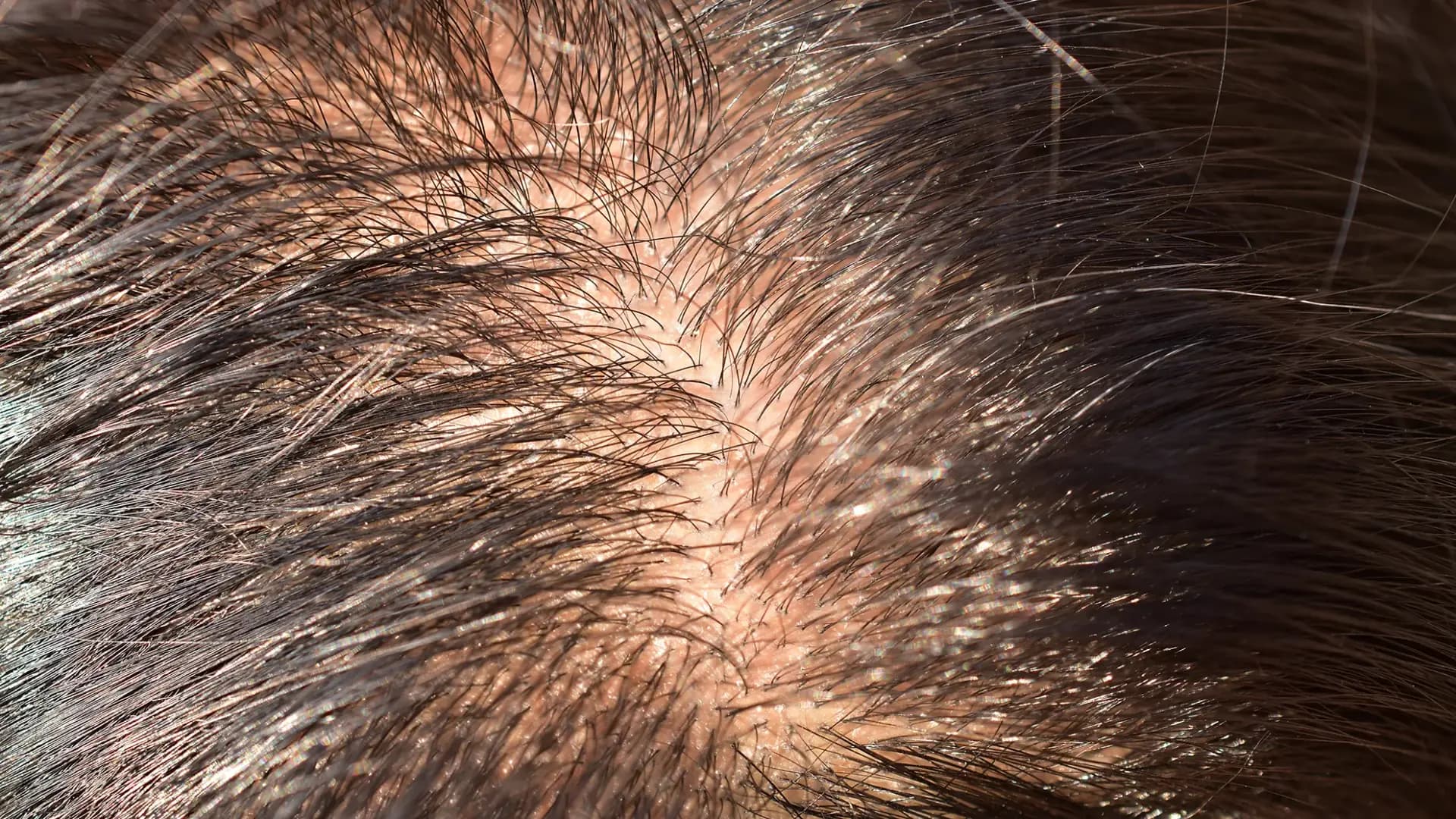
A cowlick is a section of hair that resists lying flat and instead grows in a direction contrary to the surrounding hair, typically forming a tuft, swirl, or whorl pattern. The name originates from the appearance of hair licked back by a cow's tongue. Cowlicks occur because the follicles in that area are angled or oriented differently than surrounding follicles, a characteristic determined during fetal development and remaining unchanged throughout life. Most people have at least one cowlick, with common locations including the crown, the back of the head, the nape of the neck, or along the hairline. Importantly, a cowlick is a directional pattern issue, not a density or thickness problem. The hair in a cowlick area is fully present, fully thick, and fully healthy. The cowlick simply makes that hair grow and lie in a different direction than surrounding hair. This fundamental characteristic makes cowlicks evident from childhood. If you have had a cowlick for decades without change, or if photos from years ago show the identical swirled pattern, you almost certainly have a cowlick rather than developing hair loss. Cowlicks are impossible to permanently change through styling or treatment because the problem is the follicle angle, a structural feature that styling products and medications cannot alter. Many men can minimize the appearance of a cowlick through specific haircut styling that works with the growth direction, or through hair products that add hold and control. The appearance of a cowlick varies significantly based on hair length, haircut style, humidity, and lighting. Under bright overhead lighting, even a fully dense cowlick can appear thin or sparse because of how light and shadow interact with the swirled pattern, creating visual illusion of sparseness.
The Distinctive Features of Male Pattern Baldness
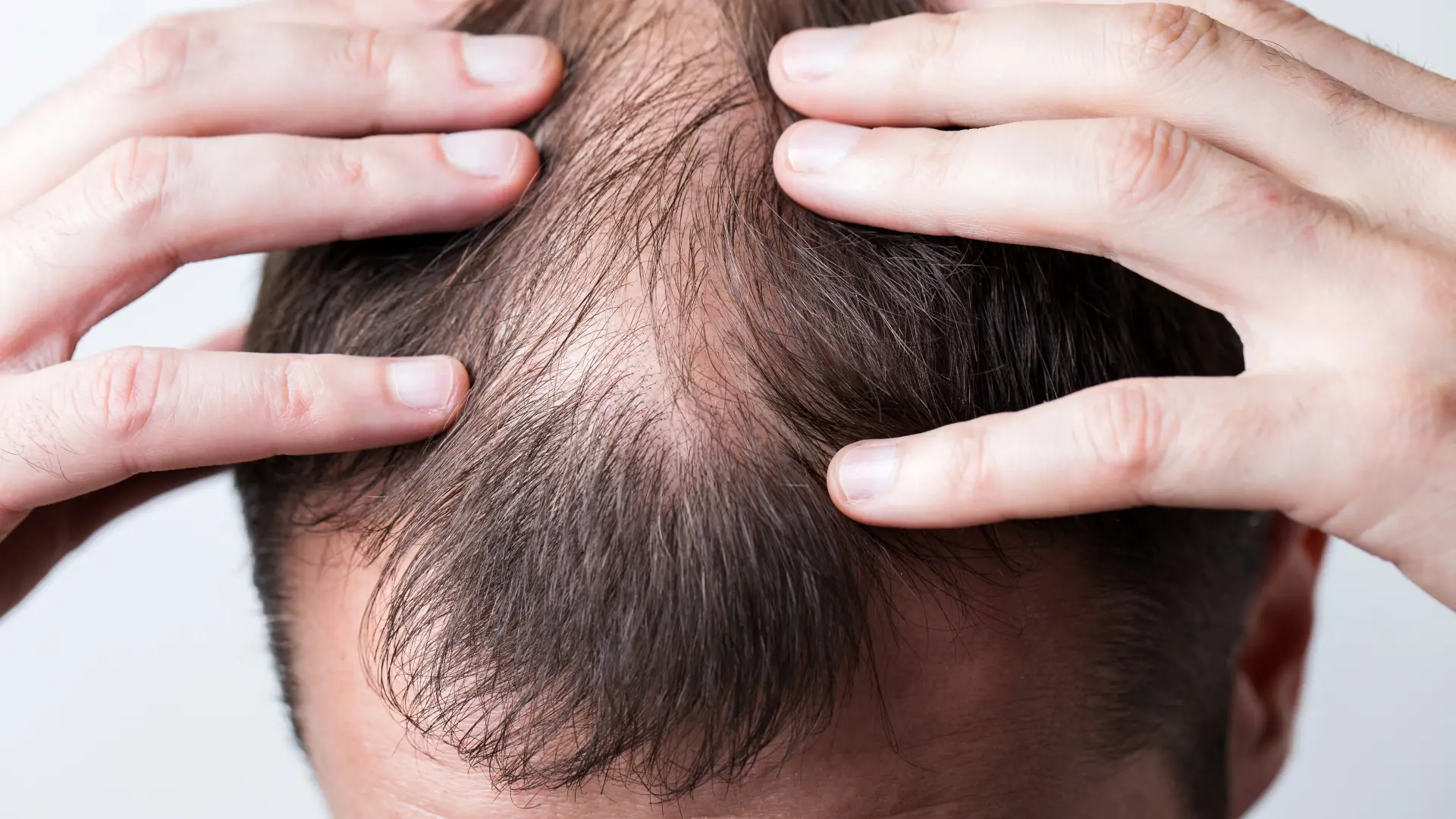
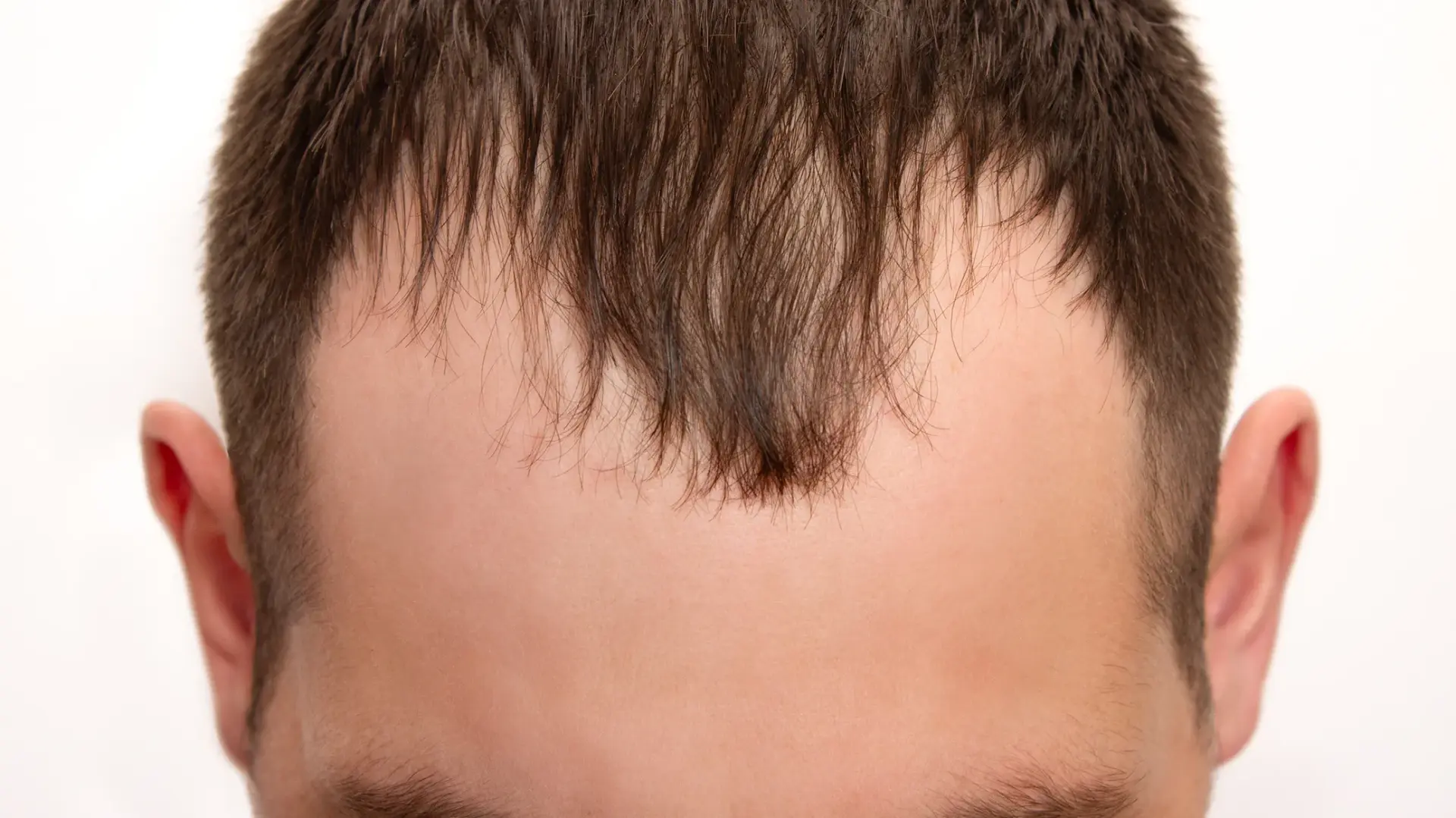
Male pattern baldness, mediated by DHT sensitivity in genetically predisposed men, presents distinctly different characteristics from a cowlick. In early male pattern baldness, hair does not simply change direction or create a swirl. Instead, individual hairs become shorter and thinner through a process called miniaturization. As follicles come under the influence of DHT, they produce progressively shorter anagen phases, meaning hairs spend less time in their growth phase before shedding. Simultaneously, the diameter of hairs produced decreases, resulting in fine, thin hairs replacing thicker terminal hairs. This process happens gradually, so early male pattern baldness typically appears as a slowly widening part, or a gradual increase in visible scalp visibility in a specific area. At the crown, early male pattern baldness typically manifests as a growing bald spot starting at the center and gradually expanding outward, with the density notably lower at the center of the crown compared to surrounding areas. Unlike a cowlick, which has consistent density across the entire whorl area, male pattern baldness shows a clear gradient of density, with the thinnest hairs at the center and progressively denser, thicker hairs at the periphery. Another key distinction involves change over time. A cowlick is static, remaining identical throughout life and appearing identical in photos from years ago. Male pattern baldness is progressive, with photos from five or ten years ago showing noticeably thicker hair density at the affected area. If you look at photos of your crown from ten years ago and see substantially denser hair, or if you notice your part widening or scalp visibility increasing over months, you are likely experiencing male pattern baldness rather than a cowlick.

The Push Test and Lighting Effects on Perception
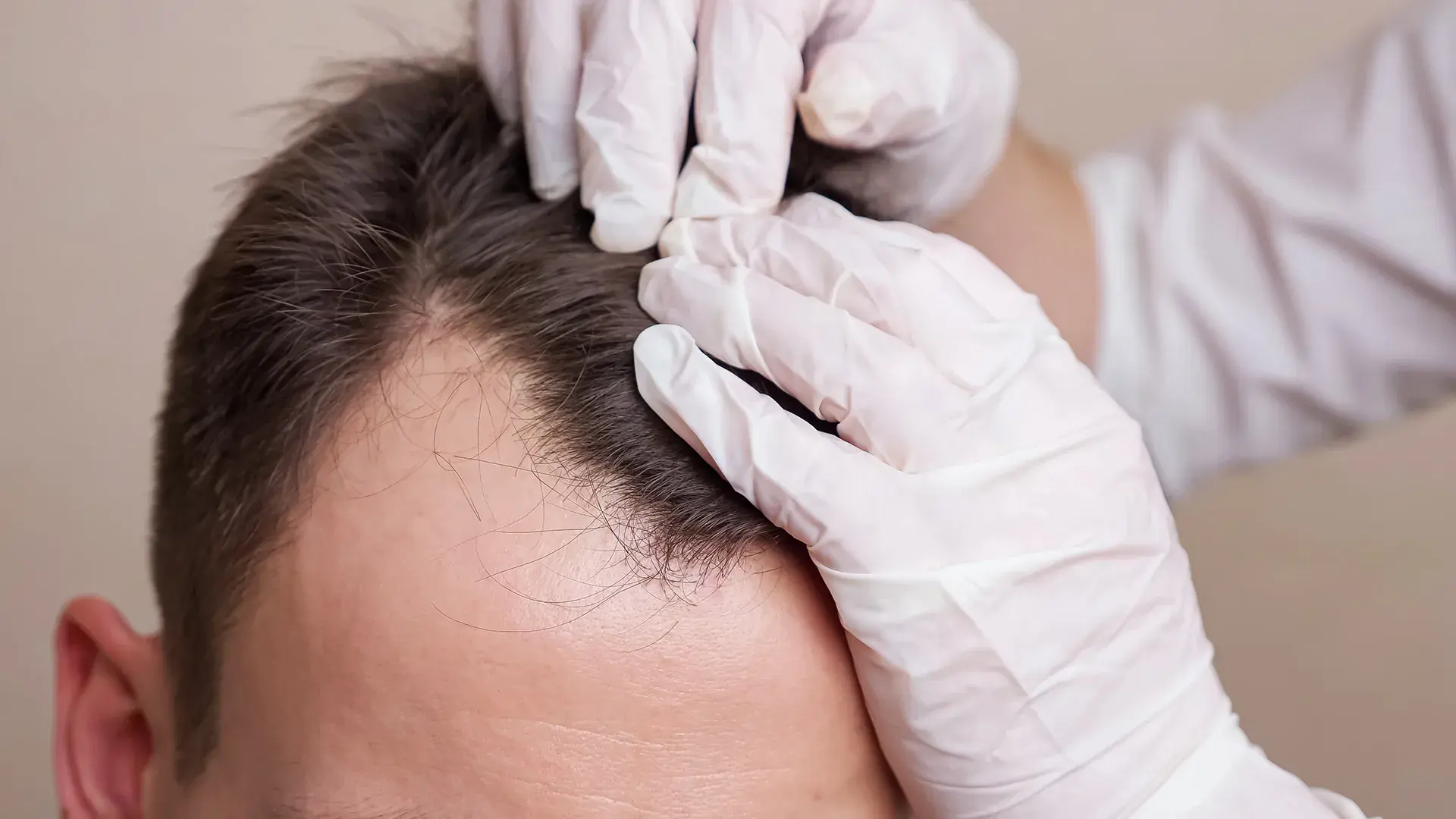
A simple at-home test can help clarify whether you have a cowlick or developing hair loss. Perform the push test by gently pushing hair at the area of concern against its natural growth direction, then observing the scalp. If you are looking at a cowlick, pushing the hair will reveal a scalp with normal density and normal numbers of hair follicles visible. The hair simply lies differently than surrounding hair. If you are looking at male pattern baldness, pushing the hair to the side will reveal scalp visibility with noticeably fewer follicles and thinner spacing between the remaining follicles. This test works because it removes the directional confusion and lets you assess actual follicle density. Lighting plays a remarkably significant role in how a cowlick appears, creating illusions of sparseness. Hair growth whorls create shadows and light reflection patterns that can make fully dense hair appear thin or sparse under certain conditions. Bright overhead lighting, such as bathroom vanity lights or outdoor midday sun, creates strong shadows in the valleys of a whorl pattern, making the scalp appear more visible than it actually is. The same cowlick viewed under different lighting, such as diffuse indirect lighting or low-angle lighting, may appear fully dense. Many men become alarmed about a cowlick in bathroom lighting, only to find the area looks normal when viewed in other contexts. If a cowlick appears thin primarily under specific lighting conditions but looks normal in other lighting, the appearance is likely an optical illusion caused by shadows rather than genuine hair loss. True male pattern baldness, conversely, shows visible scalp and thinning across different lighting conditions and different angles, because the problem is actual hair density reduction, not just directional pattern and shadow.
When to Monitor and When to Seek Professional Assessment
If you are uncertain whether you have a cowlick or early baldness, the most reliable approach is longitudinal photographic documentation. Take photographs of the area in question from the same angle, at the same distance, and under the same or similar lighting every three to six months. Use consistent positioning, such as centering your crown in the photo, to ensure comparability. Over a timeline of three to six months, a cowlick will appear identical across all photos, confirming that what you are observing is a static pattern. Early male pattern baldness, by contrast, will show progressive changes across the months, with the bald spot appearing slightly larger, hair slightly thinner, or scalp visibility slightly more pronounced in more recent photos. This objective approach removes emotional component and subjective perception from assessment. If you notice progressive changes over this timeline, or if you are concerned about hair loss regardless of cowlick uncertainty, consulting a dermatologist or hair loss specialist provides professional assessment. They can examine your scalp directly, assess the hair in the area microscopically, and provide clear distinction between cowlick and baldness. Many men find that professional assessment, even if ultimately confirming a cowlick, provides peace of mind. Additionally, if early male pattern baldness is identified, starting treatment promptly offers the highest likelihood of success, as stopping progression is more achievable than regrowing hair once significant miniaturization has occurred.
Distinguishing between a cowlick and male pattern baldness requires understanding the fundamental difference between a directional hair growth pattern and actual hair miniaturization and loss. Cowlicks are lifelong, static, directional patterns with no connection to hair density or health. Male pattern baldness is progressive, shows gradual density reduction over time, and worsens without intervention. The push test, careful lighting observation, and longitudinal photographic comparison provide practical tools for home assessment. When uncertainty persists, professional dermatologic evaluation offers definitive clarity and, if needed, enables prompt treatment initiation when intervention is most effective. Most men reassured that they have a cowlick rather than hair loss experience significant reduction in anxiety, while those identified with early baldness gain the opportunity to address the condition during its most treatable phase.

Continue Reading
The latest handpicked blog articles
Check all articles