Am I Balding? How to Identify Hair Loss Early

Introduction
- Balding can start gradually — early detection is key to stopping or slowing it
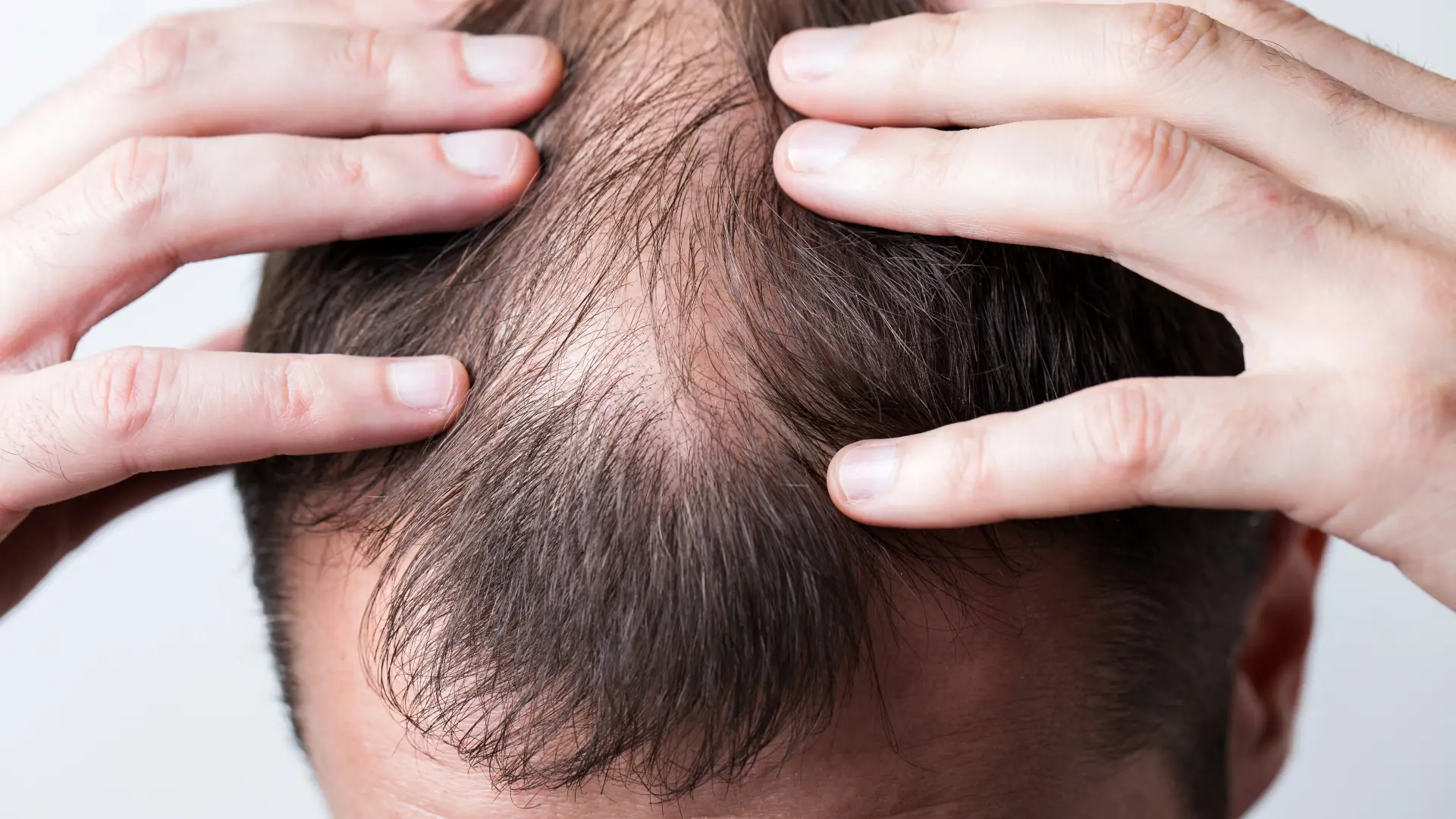
- Look for signs like a thinning crown, receding hairline, and more shedding than usual
- Male pattern baldness can begin as early as the teenage years
- Learn what causes balding and what treatments can help
Am I balding? Early signs to watch for
Hair loss looks different for everyone, but common early signs include:
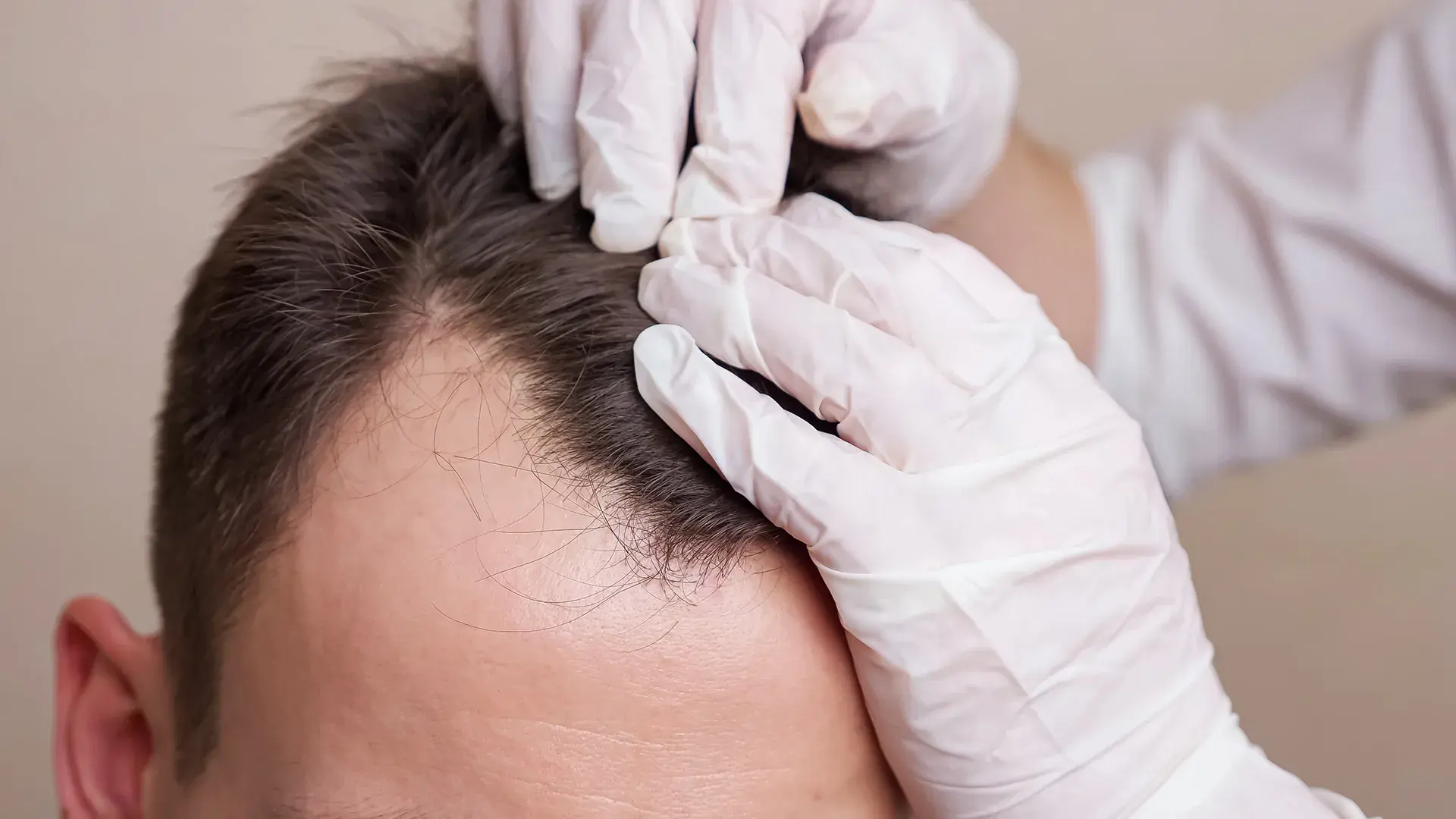
- Receding hairline: especially at the temples
- Thinning at the crown: visible scalp at the top back of the head
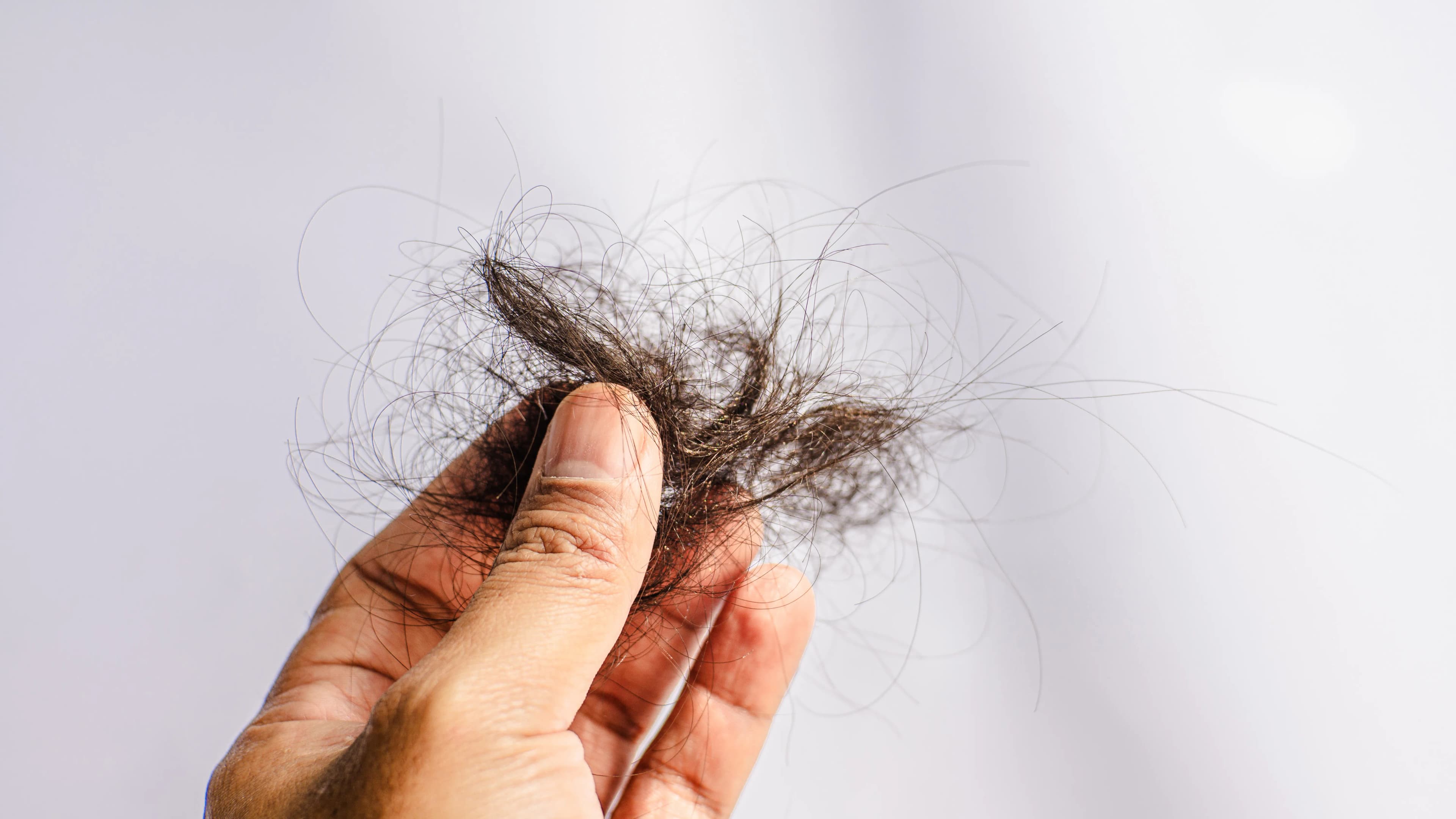
- More hairs in your brush or shower drain
- Photos show noticeable difference over time
- Itchy or flaky scalp, which can signal inflammation
Catching these signs early increases your chances of slowing or reversing hair loss.
Why am I balding?
The most common cause is androgenetic alopecia, or male pattern baldness.
It’s linked to:
- Genetics
- Hormonal sensitivity to DHT (dihydrotestosterone)
- Age
- Stress, poor diet, or health conditions (less common)
You can also experience balding due to:
- Medical conditions (thyroid disorders, anemia)
- Medications (like steroids or antidepressants)
- Poor scalp health
If you're asking “why am I balding at 16, 20, or 25,” genetics and early hormonal shifts are likely causes.
What can I do about balding?
The earlier you take action, the better your chances of keeping your hair.
Options include:
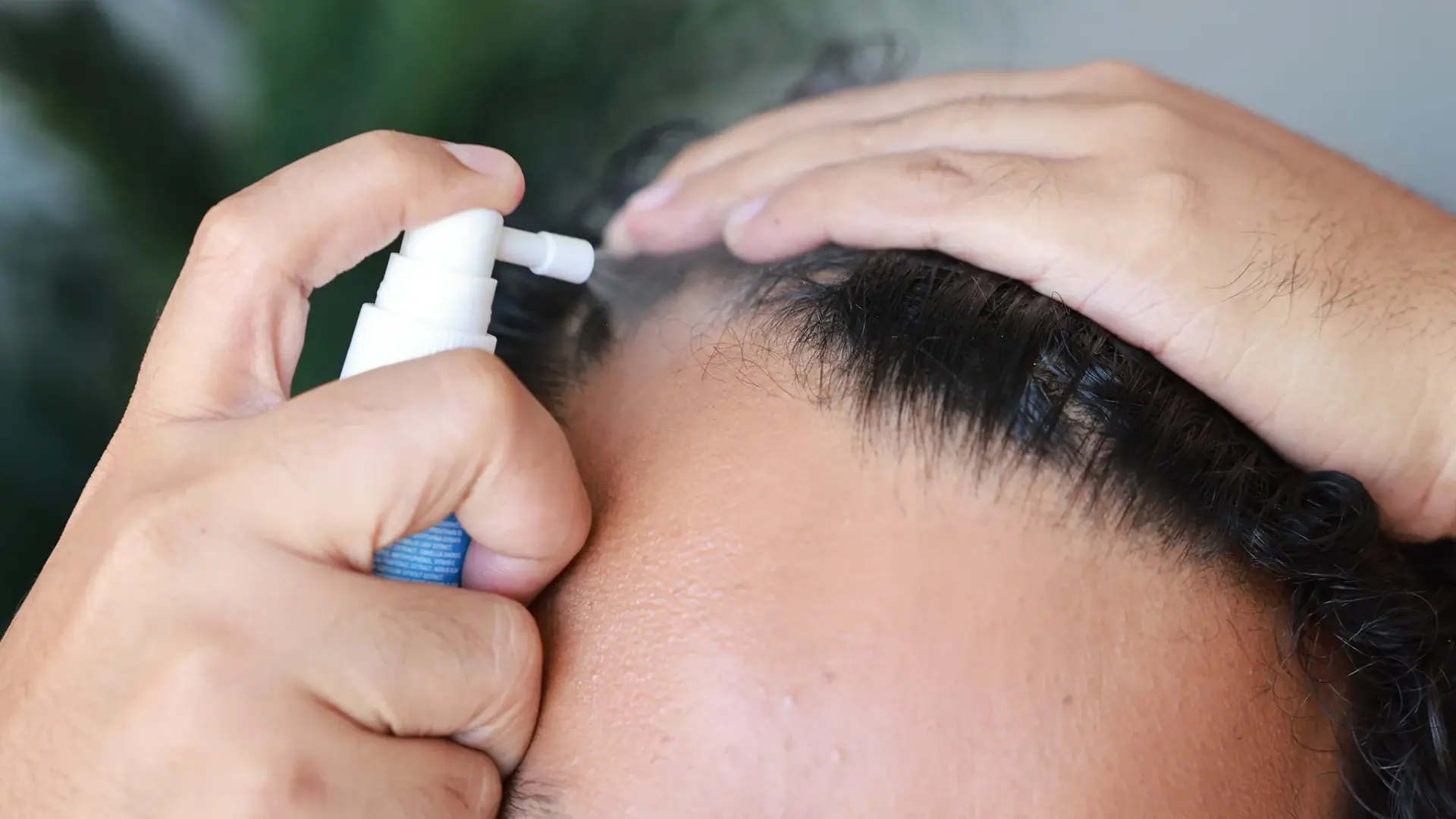
- Minoxidil: FDA-approved topical that increases hair follicle activity
- Finasteride: a prescription pill that blocks DHT
- Hair supplements: biotin, saw palmetto, vitamin D
- Scalp treatments: microneedling, PRP therapy
- Lifestyle changes: better diet, reduced stress, and scalp care

Can balding be reversed?
It depends on the cause and how early you treat it.
- Thinning can often be reversed with treatment
- Completely bald areas are harder to recover but may benefit from transplant procedures
- Patchy loss or sudden shedding should be evaluated by a provider
The key is consistency — hair regrowth takes 3–6 months to show visible changes.
When should I see a specialist?
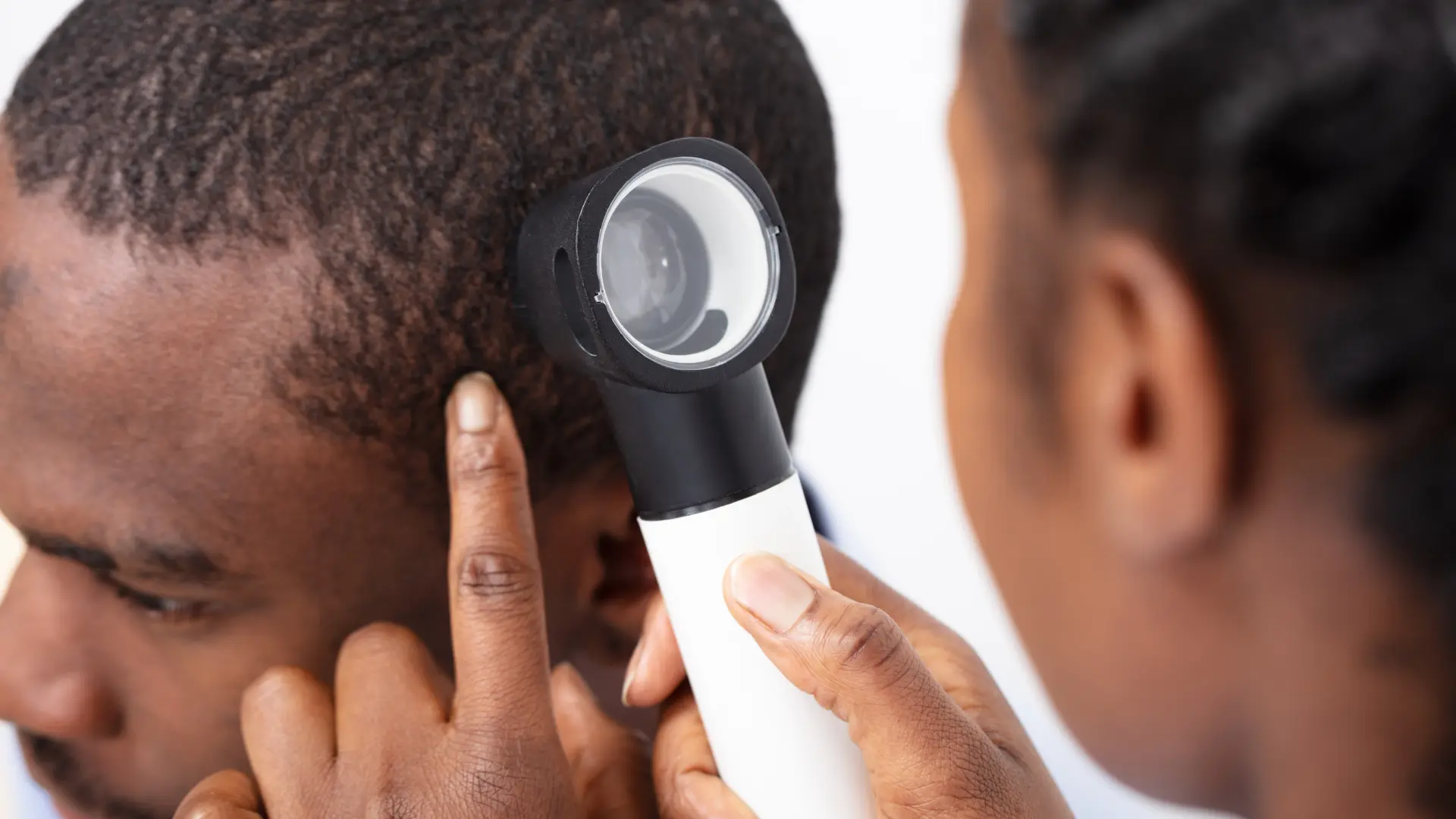
If you notice sudden shedding, balding in your teens or early twenties, or scalp irritation, consult a provider.
They can run tests, examine your scalp, and offer a treatment plan tailored to your needs.
Tuyo Health offers virtual consults with hair loss experts and science-backed treatment options.
Conclusion
If you're wondering, “Am I balding?” the answer may lie in early signs and consistent monitoring. Don’t wait until hair loss is severe — early action means better results.

Continue Reading
The latest handpicked blog articles
Check all articles