Foods That Kill Testosterone: What to Avoid


- Testosterone is crucial for sexual function, muscle development, bone density, and overall male health, making dietary support of hormone production important
- Countless foods have been claimed to reduce testosterone, but the evidence varies dramatically between them
- Some foods do have legitimate research showing suppressive effects on testosterone levels, while others are overstated internet myths
- Understanding which foods actually have evidence behind them helps you make dietary choices that protect rather than compromise your hormonal health
Quick Answers:
- Does soy lower testosterone? Soy contains phytoestrogens, but moderate consumption is unlikely to suppress testosterone in most men; extreme intake shows effects in case studies.
- Does alcohol reduce testosterone? Yes, chronic heavy alcohol use clearly suppresses testosterone through multiple mechanisms including Leydig cell damage and hormonal metabolism disruption.
- Do licorice and spearmint reduce testosterone? Both have research showing anti-androgenic effects, with spearmint showing notable reductions in androgen levels in some studies.
- Is there a single food that controls testosterone? No; overall dietary pattern, calorie balance, sleep, exercise, and stress matter more than any individual food.
- What actually supports testosterone? Zinc, vitamin D, adequate calories, and sleep are foundational; exercise and maintaining healthy body weight are critical.
Foods With Actual Evidence of Testosterone Suppression
The evidence for testosterone suppression varies significantly among the foods commonly claimed to lower testosterone. Soy and phytoestrogens represent a particularly misunderstood category. Soy contains isoflavones, which are plant compounds with weak estrogenic activity. Internet culture has created exaggerated claims that soy will reduce testosterone significantly or cause feminization. The actual research is far more nuanced. Multiple systematic reviews and meta-analyses have found that soy consumption, even at relatively high levels, has minimal or negligible effects on testosterone in men. Isolated case studies have described testosterone suppression in men consuming extreme amounts of soy, but these are outliers. Moderate soy consumption as part of a balanced diet is not a meaningful suppressor of testosterone for most men.
Spearmint and peppermint tea have stronger evidence. Several clinical studies have shown that spearmint tea consumption reduces androgen levels, including testosterone and free testosterone. In one study, women with polycystic ovary syndrome who drank spearmint tea twice daily for five months showed measurable reductions in androgen levels. The effect appears to occur through inhibition of certain enzymatic pathways involved in androgen synthesis. The clinical significance of this effect in men is less well-established than in women with hormonal disorders, but the evidence for a measurable anti-androgenic effect is credible. If you consume spearmint or peppermint tea regularly and are concerned about testosterone, this would be worth modifying.
Licorice root contains glycyrrhizin, a compound shown in multiple studies to inhibit 17-hydroxysteroid dehydrogenase, an enzyme crucial for testosterone synthesis. Clinical studies have documented acute reductions in testosterone following licorice consumption. However, the magnitude of suppression varies, and many people do not consume licorice in sufficient quantities for this to be clinically relevant. Flaxseed contains lignans, compounds with anti-androgenic properties documented in some studies. Like soy, the realistic testosterone-suppressing effect of moderate flaxseed consumption is likely modest, but unlike soy, the evidence for an anti-androgenic effect is more consistent across studies.
Alcohol, Trans Fats, and Lifestyle Factors That Matter More
Chronic heavy alcohol consumption is perhaps the most well-established dietary suppressor of testosterone. The mechanisms are multiple: ethanol directly damages Leydig cells in the testes through oxidative stress, alters the hepatic metabolism of sex hormones, elevates cortisol (which suppresses testosterone), and impairs the hypothalamic-pituitary-gonadal axis that controls testosterone production. Studies consistently show that men who drink heavily have lower testosterone levels than moderate or non-drinkers. Acute heavy drinking also suppresses testosterone, so binge drinking patterns may have cumulative suppressive effects. If testosterone optimization is a goal, reducing alcohol consumption, particularly heavy or frequent drinking, is one of the highest-impact dietary changes you can make.
Processed foods and trans fats are also associated with lower testosterone in observational dietary studies. The mechanisms likely involve chronic inflammation, oxidative stress, and effects on vascular function. While the evidence is correlational rather than from randomized controlled trials, the association is consistent enough to merit dietary attention. Ultra-processed foods are suboptimal for overall health for many reasons beyond testosterone, so prioritizing whole, minimally processed foods supports both hormonal health and general wellbeing.
It is important to contextualize that no single food "kills" testosterone in isolation. Your overall dietary pattern, total calorie intake, macronutrient balance, and lifestyle factors far outweigh the effect of any individual food. A man eating an otherwise healthy diet who includes moderate amounts of soy or flaxseed will maintain normal testosterone. Conversely, a man with poor sleep, excessive stress, sedentary behavior, and elevated body fat may have suppressed testosterone despite avoiding all the foods listed here.


What Does Not Have Strong Evidence
Despite widespread claims online, sugar in moderate amounts does not suppress testosterone. While excessive sugar consumption contributes to obesity and metabolic dysfunction, which can suppress testosterone indirectly, moderate sugar intake does not directly inhibit testosterone production. The same applies to dairy products, which are frequently claimed to lower testosterone due to hormone content in milk. The hormones in conventional dairy are present in trace quantities and are largely digested before absorption, making their significance to human testosterone levels negligible. High-quality research does not support the claim that dairy consumption suppresses testosterone.
Many of the foods claimed to lower testosterone are internet myths with minimal or no evidence. Maintaining perspective about which concerns are evidence-based and which are hype helps you focus your dietary efforts on what actually matters.
Foundational Approaches to Supporting Testosterone
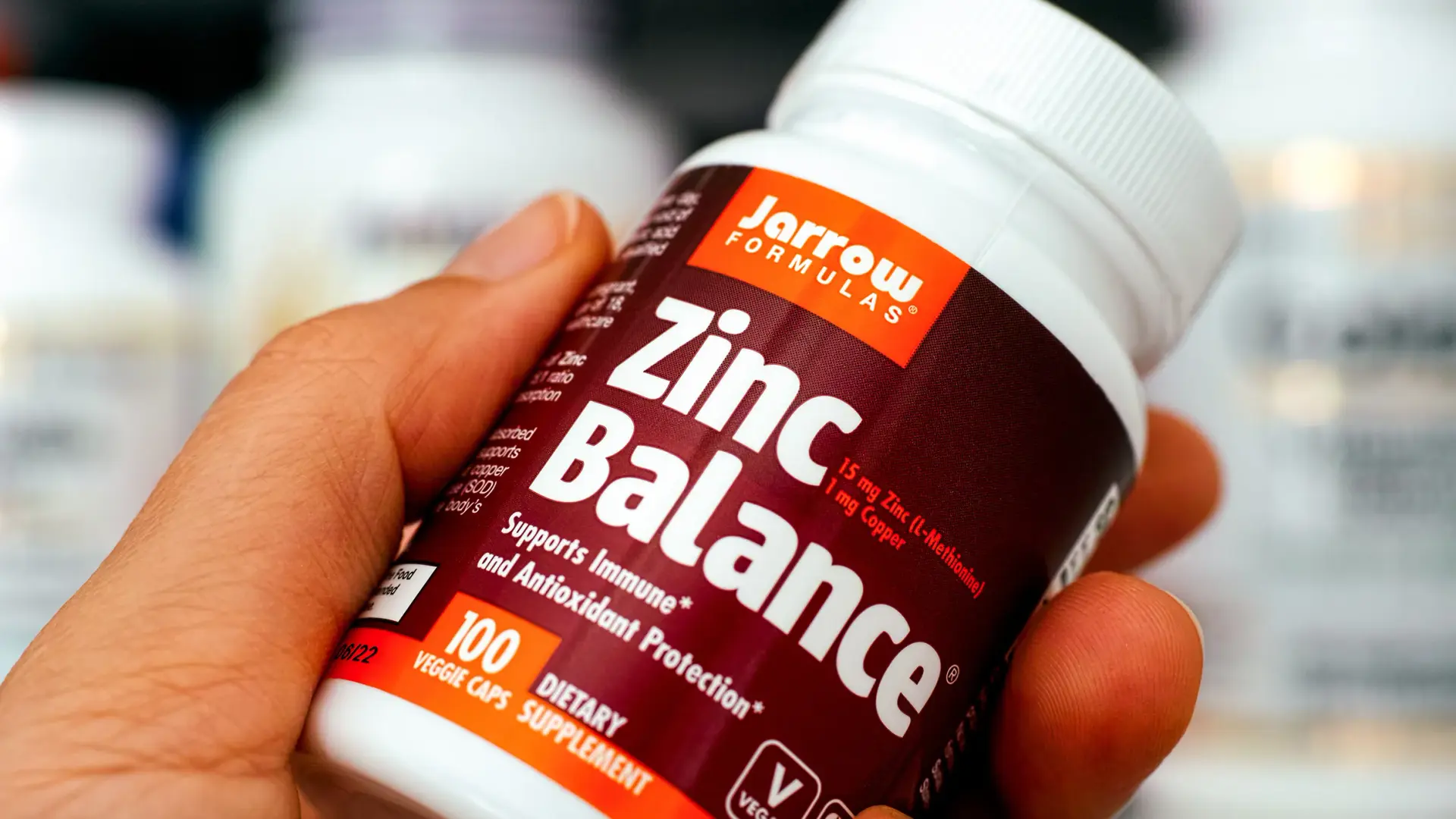
Rather than focusing obsessively on avoiding specific foods, direct your energy toward the foundational factors that genuinely support testosterone production. Zinc is essential for testosterone synthesis, and deficiency can suppress testosterone levels. Dietary sources include oysters, beef, chicken, pumpkin seeds, and chickpeas. Vitamin D is also involved in testosterone regulation, and deficiency is associated with lower testosterone. Adequate sun exposure or supplementation is worthwhile. Achieving and maintaining a healthy body weight is critical, as obesity suppresses testosterone through multiple mechanisms including increased aromatase activity (which converts testosterone to estrogen) and systemic inflammation. Progressive resistance training, particularly compound movements like squats and deadlifts, stimulates testosterone production acutely and supports long-term hormonal health.
Sleep is foundational. Testosterone production follows a circadian rhythm, with the highest levels typically occurring during sleep. Chronic sleep deprivation is associated with lower testosterone. Managing stress through regular exercise, meditation, or other coping strategies supports hormonal health, as chronic elevated cortisol suppresses testosterone. If you are concerned that your testosterone is genuinely low despite healthy lifestyle habits, consulting with a healthcare provider for hormone testing and personalized guidance is important. A Tuyo Health clinician can help you determine whether your diet, lifestyle, or underlying hormonal dysfunction is contributing to any symptoms.
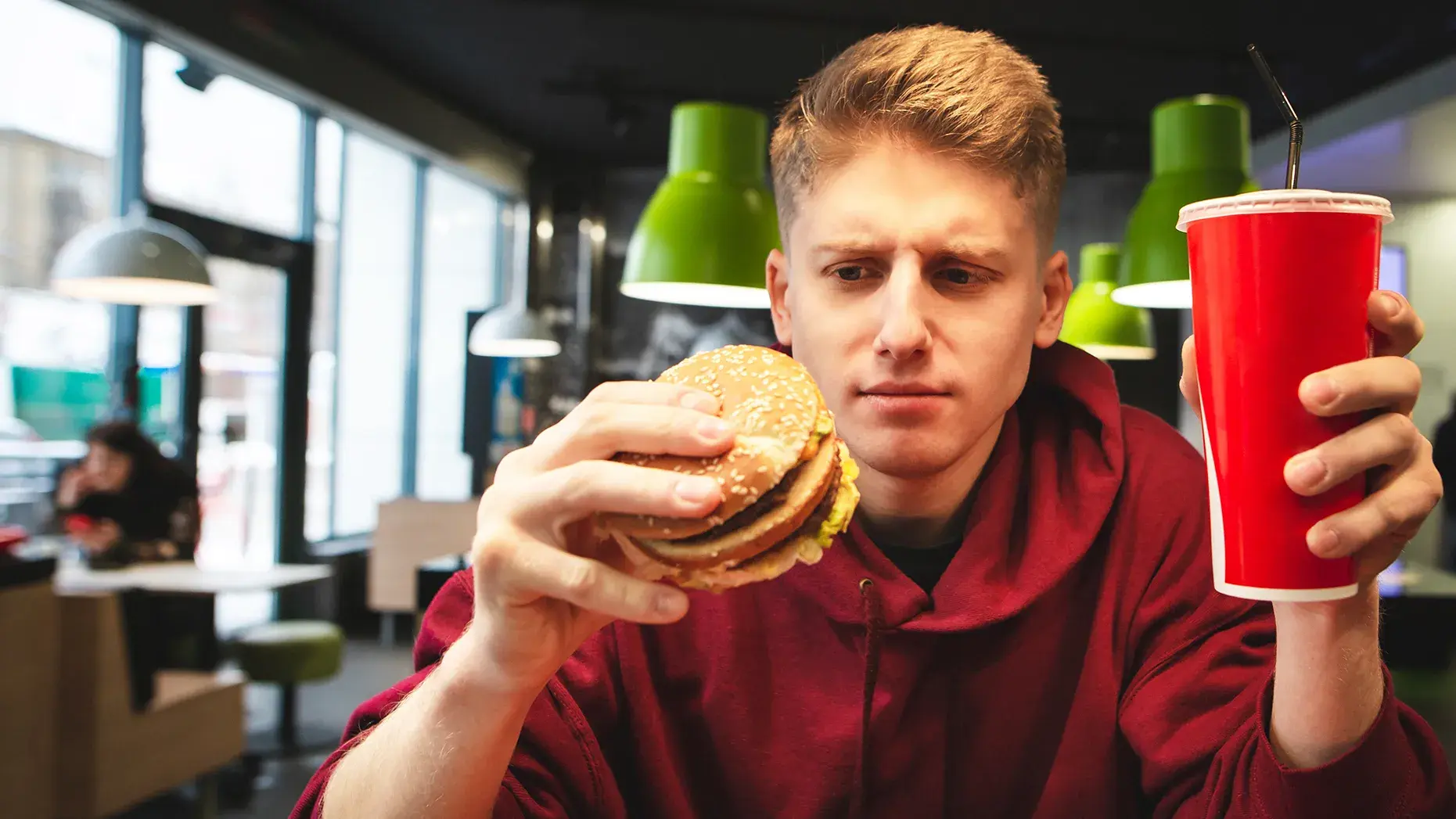
Some foods do have legitimate evidence showing effects on testosterone, including alcohol (strong suppressive effect with chronic heavy use), spearmint tea (measurable anti-androgenic effects), licorice root (documented testosterone suppression), and potentially flaxseed (modest anti-androgenic properties). Soy is frequently overstated in its testosterone-suppressing effects relative to the actual evidence. More important than avoiding individual foods is maintaining an overall healthy diet with adequate zinc and vitamin D, achieving healthy body weight, exercising regularly, sleeping well, and managing stress. These foundational factors have far greater impact on testosterone than any single food. If you're concerned about your testosterone levels or sexual health, a Tuyo Health clinician can provide personalized assessment and treatment guidance. Talk to a Tuyo Health clinician today → https://www.tuyohealth.com

Continue Reading
The latest handpicked blog articles
Check all articles