Benefits of Zinc Sexually: What You Need to Know
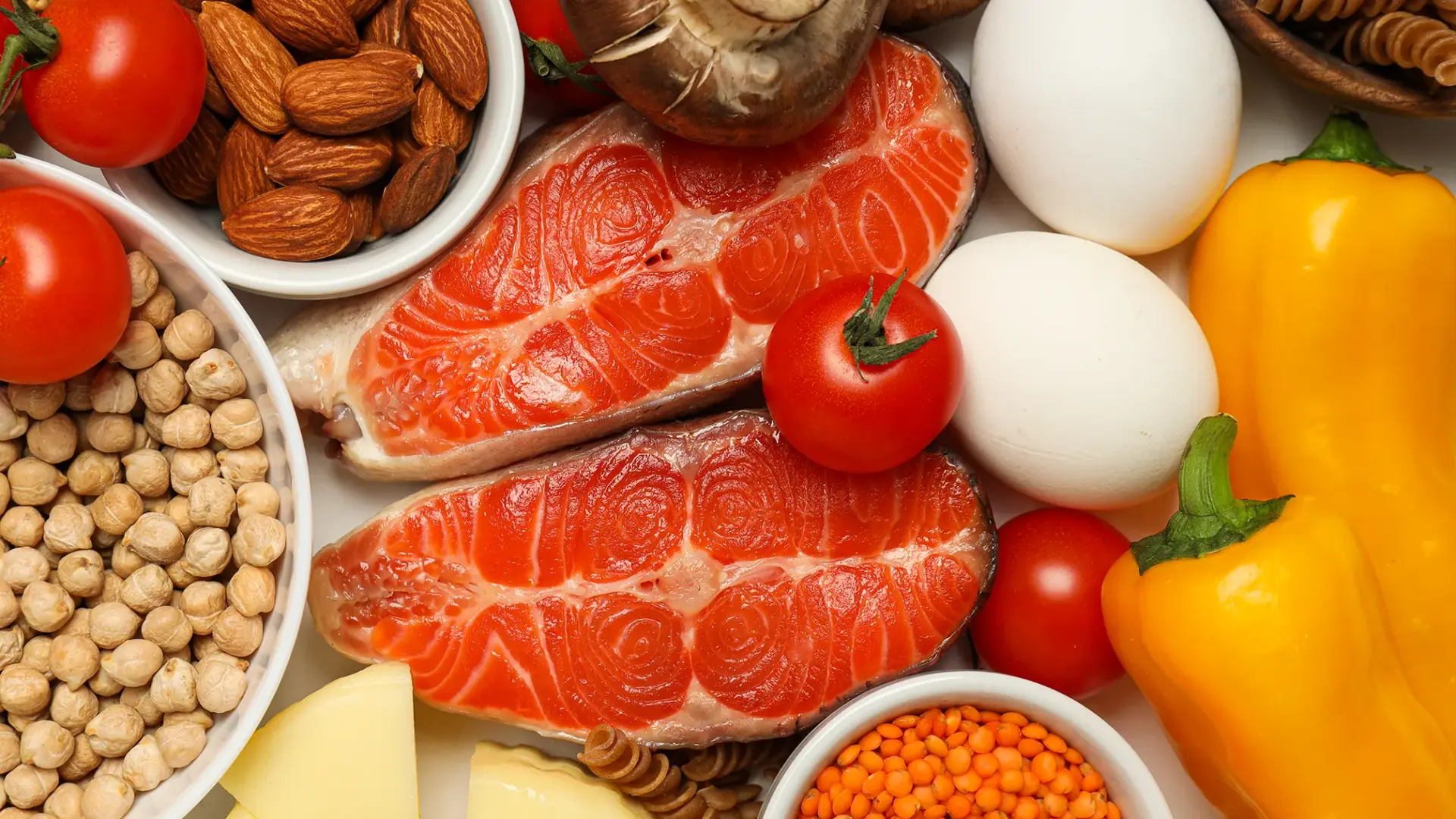

- Zinc is an essential mineral fundamental to male sexual health, affecting testosterone synthesis and spermatogenesis
- The metal cofactor zinc is required by 5-alpha reductase, the enzyme that produces DHT from testosterone and regulates testosterone metabolism
- Zinc deficiency produces direct reductions in serum testosterone, making deficiency correction a straightforward path to improving sexual function
- Oysters and shellfish contain the highest dietary zinc concentrations, explaining their traditional reputation as aphrodisiacs
Quick Answers:
- Does zinc help sexually? Zinc is essential for testosterone production and sperm quality, making zinc supplementation directly beneficial for sexual function if you are deficient.
- How much zinc should men take for sexual health? The recommended dietary allowance is 11 milligrams daily, but deficiency treatment requires 25 to 45 milligrams daily under medical supervision.
- What foods are high in zinc for sexual health? Oysters contain the highest levels, followed by beef, pumpkin seeds, and legumes like chickpeas and lentils.
- Can too much zinc be harmful? Chronic zinc supplementation above 40 milligrams daily can cause copper depletion, leading to neurological issues and reduced immune function.
- Does zinc increase libido directly? Zinc does not create sudden desire, but correcting deficiency restores normal testosterone levels and sexual desire, particularly important for men with age-related or condition-related deficiency.

Zinc's Critical Role in Testosterone Production
Zinc is not simply one mineral among many, but rather a fundamental component of testosterone synthesis. The enzyme 5-alpha reductase requires zinc as a critical cofactor to function properly. This enzyme catalyzes the conversion of testosterone into 5-alpha-dihydrotestosterone (DHT), a more potent androgen essential for male sexual characteristics, sexual desire, and reproductive function. Without adequate zinc, 5-alpha reductase cannot function efficiently, leading to insufficient DHT production and reduced free testosterone availability. This direct enzymatic relationship explains why zinc deficiency produces such dramatic sexual effects in affected men. Studies examining men with zinc deficiency consistently show depressed serum testosterone levels that normalize with zinc supplementation. A landmark study in the American Journal of Clinical Nutrition found that men with zinc deficiency demonstrated testosterone levels approximately 50 percent lower than zinc-sufficient men, a magnitude sufficient to produce noticeable reductions in sexual desire and erectile quality. Correcting zinc deficiency typically restores testosterone toward normal ranges within 4 to 8 weeks, though sexual function improvements may require additional time as circulating hormone levels adjust. The testosterone-producing benefit of zinc is most pronounced in men with confirmed deficiency. Men with adequate zinc intake will not experience additional testosterone elevation from supplemental zinc, though maintaining adequate levels is essential for normal function. Zinc deficiency is more common than many realize, particularly in vegetarian and vegan diets where plant-based zinc sources are less bioavailable than animal sources. Older men are also at higher risk for deficiency due to reduced dietary intake and potential malabsorption issues. Heavy alcohol consumption increases zinc urinary losses, making alcoholic men particularly susceptible to deficiency-related sexual dysfunction.
Zinc's Direct Role in Sperm Production and Semen Quality
Beyond testosterone, zinc directly supports spermatogenesis, the process of sperm cell production. Zinc is concentrated in testicular tissue at levels higher than most other organs, indicating its essential role in reproductive function. The metal serves as a component of multiple enzymes involved in DNA synthesis and cell division within the seminiferous tubules where sperm develop. Zinc deficiency impairs sperm production, reducing sperm count and motility. Men with zinc deficiency often have lower semen volumes and reduced sperm quality measured by objective parameters including motility, morphology, and viability. Studies show that zinc supplementation in deficient men increases sperm count by approximately 30 to 50 percent and improves motility scores. A 2011 study in the journal Nutrition found that zinc supplementation in infertile men with low zinc levels improved sperm parameters and increased the likelihood of conception. The contribution of zinc to semen volume is particularly important for men concerned with semen volume and sexual satisfaction. The prostate gland, which contributes the majority of seminal fluid, requires adequate zinc for normal secretory function. Zinc deficiency reduces prostatic zinc concentrations, impairing the gland's ability to produce adequate seminal fluid. This produces noticeably reduced ejaculate volume, which some men find aesthetically or psychologically distressing. Correcting zinc deficiency restores normal semen volume within 4 to 8 weeks of adequate supplementation. The combined effects of zinc on testosterone production, sperm development, and seminal fluid production make zinc supplementation a straightforward intervention for men with confirmed deficiency, addressing multiple sexual health parameters simultaneously.

Dietary Sources of Zinc and Bioavailability
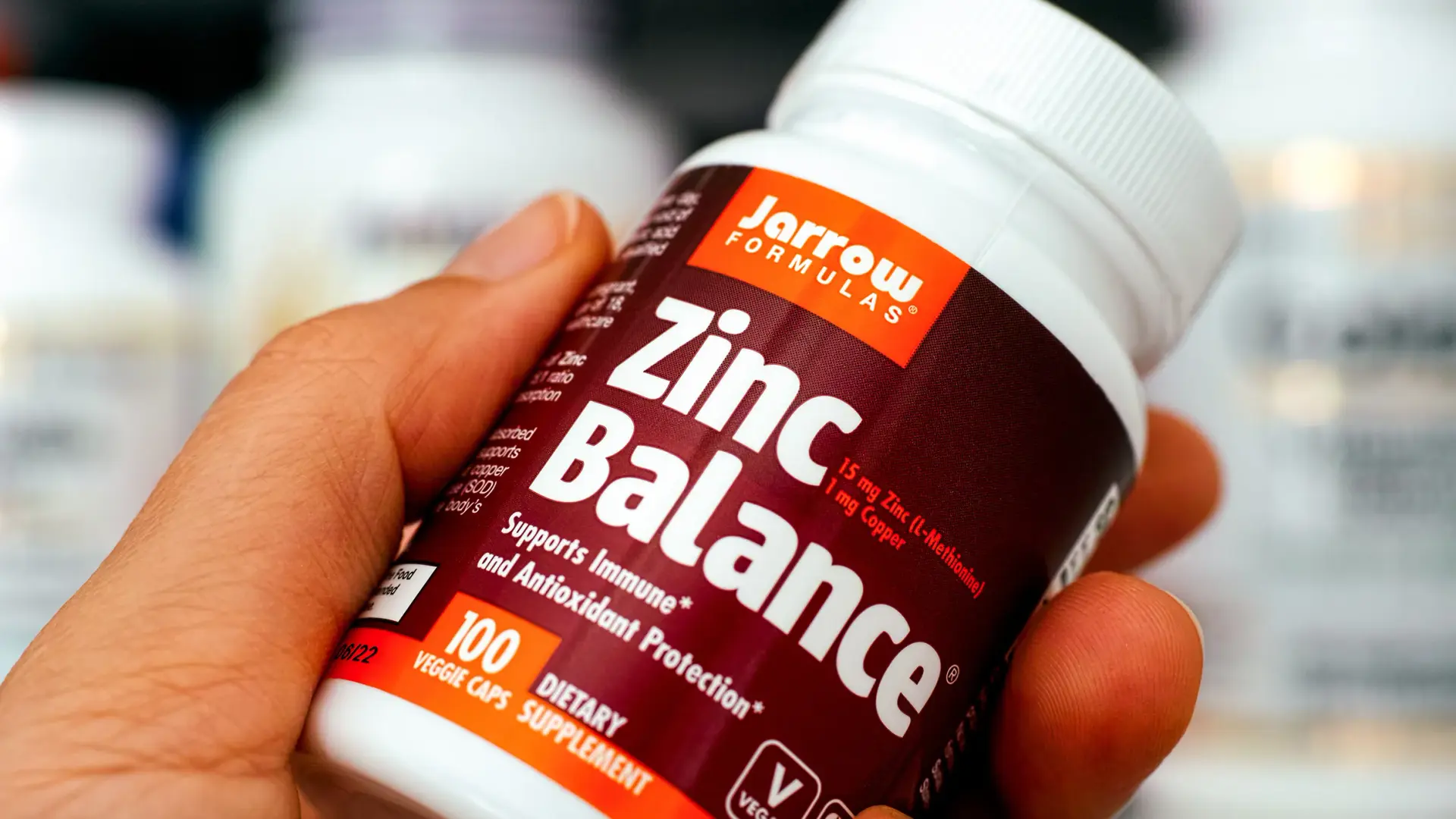
Oysters are renowned for their aphrodisiac properties, and this reputation has scientific basis in their extraordinarily high zinc content. A single raw oyster contains approximately 5 to 7 milligrams of zinc, meaning just two oysters provide approximately half the daily recommended intake. This exceptional zinc concentration explains why oysters have been consumed as aphrodisiacs for centuries across multiple cultures. Beef and other red meats provide substantial zinc, with 100 grams of lean beef containing approximately 7 milligrams. Pork and chicken provide moderate amounts, with 100 grams containing approximately 2 to 3 milligrams. Plant-based zinc sources like pumpkin seeds, chickpeas, and lentils contain meaningful amounts, typically 2 to 3 milligrams per ounce or serving, but plant-derived zinc has lower bioavailability due to phytate content, compounds that bind zinc and reduce absorption. A vegetarian consuming plant-based sources alone may need to consume 1.5 to 2 times the recommended amount to achieve zinc sufficiency due to bioavailability differences. Men avoiding animal products should consider supplemental zinc or deliberate incorporation of high-zinc plant foods combined with approaches that reduce phytate burden, such as soaking or fermenting legumes. Dairy products and eggs provide moderate zinc, making them valuable for vegetarians. For men able to consume animal products, incorporating oysters, beef, or seafood provides efficient zinc intake without supplementation. A simple strategy involves consuming one oyster or a serving of beef several times weekly combined with supplemental pumpkin seeds or legumes, achieving adequate total intake while deriving benefits from whole-food nutrient synergy.
Supplementation, Safety, and Avoiding Excess
The recommended dietary allowance for zinc is 11 milligrams daily for adult men. This amount is adequate for men with normal absorption and no ongoing losses. Men diagnosed with zinc deficiency typically require 25 to 45 milligrams daily for 4 to 8 weeks to correct deficiency, followed by maintenance at the RDA level. This therapeutic dosing should occur under medical supervision, as blood zinc levels and copper status should be monitored during treatment. The upper tolerable intake level for zinc is 40 milligrams daily from supplemental sources. Chronic supplementation above this level produces copper depletion, a consequence of zinc-copper competitive absorption. Copper deficiency can cause neurological symptoms including neuropathy, ataxia, and myelopathy, as well as reduced immune function and anemia. A common mistake is assuming that if some zinc is beneficial, more must be better. Men taking excessive zinc supplements for extended periods risk copper depletion and the associated health consequences. Additionally, excessive zinc can interfere with the absorption of other minerals including iron and magnesium, potentially creating additional nutritional imbalances. The safest approach is confirming zinc deficiency through blood testing before supplementing, using therapeutic doses only long enough to correct deficiency, and then maintaining adequate intake through diet and possibly a modest maintenance supplement. Men with certain medical conditions, particularly those on medications affecting nutrient absorption or those with liver disease, should discuss zinc supplementation with their doctor before beginning. For men without confirmed deficiency, dietary incorporation of zinc-rich foods provides adequate intake without supplementation risks and offers additional nutritional benefits from whole-food sources.
Zinc is fundamental to male sexual health, acting as a critical cofactor for testosterone synthesis and directly supporting spermatogenesis and seminal fluid production. Men with zinc deficiency experience significant reductions in testosterone, sperm quality, and semen volume, all of which improve with zinc supplementation. Dietary sources, particularly oysters and beef, provide excellent zinc availability, while supplementation is reserved for treating confirmed deficiency. The distinction between adequate zinc intake and excessive supplementation is important for safety, as chronic high-dose zinc can cause copper depletion and other adverse effects. For men concerned about sexual function, confirming zinc status through testing and correcting any deficiency addresses a root cause of reduced sexual performance and desire.

Continue Reading
The latest handpicked blog articles
Check all articles