Does Edging Increase Sperm Count?


- Edging, the practice of bringing yourself close to orgasm and stopping before ejaculation, has become popular among people seeking to intensify sexual experiences
- Many believe edging increases sperm count and semen volume, but the science shows a more nuanced picture
- Abstinence does temporarily increase sperm concentration and volume, but edging works differently from simple abstinence
- Understanding the actual physiology helps set realistic expectations about what edging can and cannot do
Quick Answers:
- What is edging? Edging is repeatedly bringing yourself near orgasm and stopping before ejaculation to delay and potentially intensify the final release.
- Does edging increase sperm count? Edging does not meaningfully increase sperm count because the body continues releasing pre-ejaculatory fluid and arousal occurs throughout the session.
- What actually increases semen volume? Abstinence of 2-5 days, proper hydration, zinc intake, and overall health are the primary factors that increase semen volume.
- How is edging different from abstinence? Edging involves continuous arousal and pre-ejaculatory release, while abstinence allows sperm reserves to accumulate without sexual stimulation.
- Can edging help with premature ejaculation? Yes, edging can be a useful training tool to improve control and delay ejaculation over time.

Understanding Edging and Its Mechanisms
Edging is the deliberate practice of bringing yourself close to the point of orgasm, then stopping or slowing stimulation to prevent ejaculation. The person repeats this cycle multiple times before ultimately allowing orgasm to occur. The popular belief is that this extended arousal period somehow accumulates more sperm and increases semen volume, creating a more intense and voluminous ejaculation. The logic seems intuitive: the longer you delay, the more you accumulate. However, the physiological reality is considerably more complex.
When you engage in sexual activity, including edging, your body begins releasing pre-ejaculatory fluid from the bulbourethral glands. This fluid serves multiple purposes: it neutralizes urine residue, provides lubrication, and may contain some sperm. The act of approaching orgasm without reaching it triggers neurological responses that prime the body for ejaculation, but the actual accumulation of semen in the seminal vesicles follows a different timeline than simple arousal. While edging does delay the final ejaculation, it does not function like abstinence in terms of allowing sperm reserves to build undisturbed. The continuous arousal state means your body is not in a purely resting state between stimulation cycles.
The Actual Science of Sperm Accumulation and Semen Volume
Research on semen parameters shows that abstinence does increase both sperm concentration and total semen volume. Studies consistently demonstrate that 2-5 days of abstinence results in higher sperm counts and greater seminal fluid volume compared to ejaculation-every-day patterns. However, this increase plateaus and may even decline with excessive abstinence beyond 5-7 days. The distinction between sperm count (testicular output) and semen volume (combination of seminal vesicle fluid, prostate fluid, and other secretions) is important. Edging primarily delays the ejaculatory event but does not replicate the physiological state of abstinence because arousal is continuous throughout the session.
The hormonal and neurochemical cascade that prepares your body for ejaculation begins during any sexual activity, including edging. Pre-ejaculatory fluid release occurs at low levels throughout edging, which means some sperm and reproductive secretions are being released before the final ejaculation. This is why edging does not produce the same cumulative effect as simple abstinence. If your goal is genuinely to maximize semen volume per ejaculation for fertility purposes, 2-5 days of no sexual activity produces better results than extended edging sessions.


What Actually Increases Semen Volume
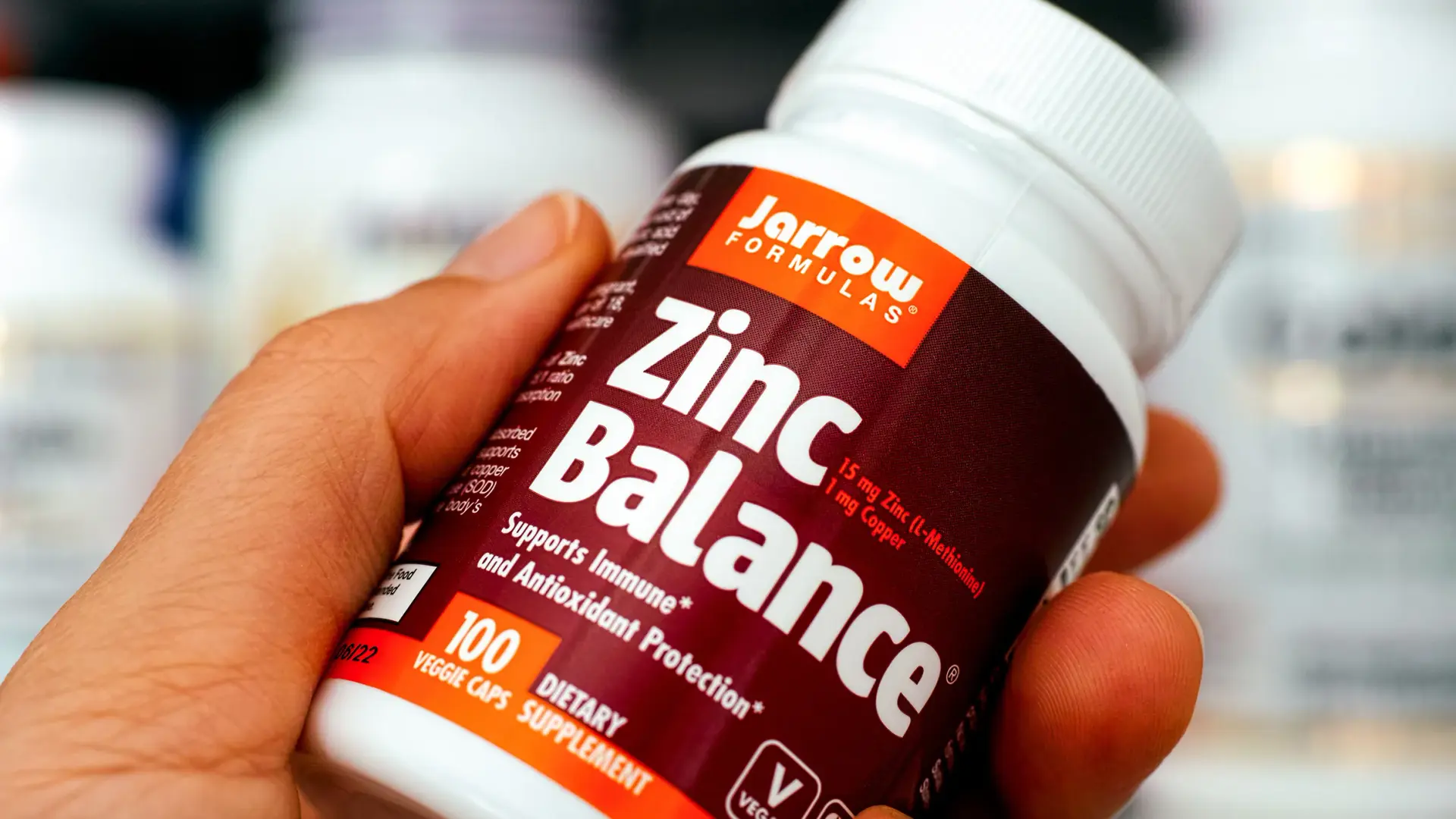
Semen volume is influenced by several modifiable lifestyle factors. Hydration is one of the most straightforward: seminal fluid is largely water-based, so adequate fluid intake directly supports volume production. Zinc is another critical nutrient, as it is highly concentrated in semen and supports both sperm production and seminal fluid quality. Dietary sources include oysters, beef, pumpkin seeds, and chickpeas. General cardiovascular health and fitness contribute to sexual function and may support semen production through improved vascular function. Maintaining a healthy body weight and body composition also supports hormone production, including testosterone, which influences semen parameters.
Beyond nutrition and fitness, moderate abstinence of 2-5 days is the most evidence-supported approach to increasing semen volume for a single ejaculation. This window allows sperm to accumulate in the epididymis and allows seminal vesicles to refill with fluid. The body continues producing sperm continuously at a rate of approximately 1,500 sperm per second, so even relatively brief abstinence periods show measurable differences. Beyond 5-7 days of abstinence, the gains plateau and some studies suggest older sperm may have reduced motility, so there is no benefit to extended abstinence periods.
The Role of Edging in Sexual Experience and PE Management
While edging does not significantly increase sperm count or semen volume, it has legitimate applications in sexual health. For people dealing with premature ejaculation, edging can serve as a practical training tool. Repeated practice with the start-stop technique (which is a form of edging) strengthens awareness of arousal levels and improves control over the ejaculatory reflex. Over time, this practice can extend the duration of sexual activity and improve confidence. Some people also report that edging enhances the subjective intensity and pleasure of the final orgasm, though this is highly individual and relates more to psychological factors and anticipation than to any quantifiable increase in sperm parameters.
The key is managing expectations. If your primary goal is increasing semen volume for fertility purposes, a combination of simple abstinence (2-5 days), hydration, adequate zinc intake, and overall health optimization will produce better results than extended edging sessions. If your goal is improving ejaculatory control or exploring sexual pleasure, edging remains a useful and evidence-informed technique. For fertility enhancement specifically, speak with a healthcare provider about comprehensive approaches to semen quality, as factors like varicocele, infections, or hormonal imbalances may require clinical intervention beyond lifestyle modifications.

Edging does not meaningfully increase sperm count because the body releases pre-ejaculatory fluid throughout the session and arousal remains continuous, preventing the accumulation that occurs during abstinence. The belief that edging increases volume stems from confusion between edging as a technique and abstinence as a state. Abstinence of 2-5 days produces measurable increases in both sperm concentration and semen volume, whereas edging delays ejaculation without providing the same physiological benefits. If you're interested in maximizing semen volume, focus on hydration, zinc-rich foods, cardiovascular fitness, and strategic abstinence periods. Edging remains a legitimate tool for managing premature ejaculation and enhancing sexual pleasure, but it should not be relied upon for fertility optimization. If you're concerned about semen volume, fertility, or sexual performance, a Tuyo Health clinician can provide personalized guidance. Talk to a Tuyo Health clinician today → https://www.tuyohealth.com

Continue Reading
The latest handpicked blog articles
Check all articles