How Long Does It Take for Sperm to Build Back Up?


- Sperm production is a continuous biological process that takes 74 days from start to finish, not something that resets after each ejaculation
- Most men can replenish their ejaculate volume within 24 to 48 hours after ejaculation
- Understanding the difference between full spermatogenesis and post-ejaculation volume recovery helps set realistic expectations
- Multiple factors including age, hydration, nutrition, and overall health significantly affect how quickly your body replenishes sperm
Quick Answers:
- How long does it take for sperm to rebuild after ejaculation? Ejaculate volume typically returns to baseline within 24 to 48 hours, while full sperm production cycles continuously over 74 days.
- Does sperm count go down after ejaculation? Sperm count per ejaculation decreases with more frequent release, but total sperm production continues uninterrupted.
- What affects how fast sperm regenerates? Age, hydration status, nutritional intake, frequency of ejaculation, sleep quality, and underlying health conditions all influence recovery rates.
- Can you speed up sperm production? Optimizing nutrition, staying hydrated, managing stress, getting adequate sleep, and maintaining healthy body weight can support optimal sperm production.
- Is it normal to have less semen sometimes? Yes, variations in semen volume are normal and depend on factors like time since last ejaculation, hydration, and overall health status.

Understanding Spermatogenesis: The Complete Sperm Production Cycle
Spermatogenesis is the scientific term for sperm production, and it is a remarkably precise biological process that unfolds over approximately 74 days. This process takes place continuously in the testes, where specialized cells called spermatogonia begin dividing and developing into mature sperm cells. This 74-day timeline is important to understand because it explains why you cannot actually "rebuild" sperm in the traditional sense after ejaculation. Instead, your body is constantly manufacturing new sperm cells in the background.
During spermatogenesis, stem cells in the seminiferous tubules of the testes divide through a process called meiosis, creating the genetic diversity that distinguishes sperm cells from each other. These developing cells move through different stages, becoming primary spermatocytes, secondary spermatocytes, and finally spermatids before transforming into mature sperm. The process requires specific hormonal signals, proper temperature regulation within the testes, and adequate nutritional support. Any disruption to these factors can extend the timeline or reduce the quality of sperm produced.
Once sperm cells mature, they are not immediately ejaculated. Instead, they are stored in a specialized structure called the epididymis, where they continue developing and gaining motility, the ability to swim. This epididymal maturation phase takes an additional 2 to 12 days. During this time, sperm gain their full swimming capacity and other characteristics necessary for fertilization. The sperm then remain stored in the epididymis and vas deferens until ejaculation occurs. This storage system means your body maintains a reserve of mature, viable sperm at all times.
The key distinction is this: the 74-day spermatogenesis cycle is continuous and unaffected by how often you ejaculate. What does change with ejaculation is the immediate availability of stored sperm. The testes do not pause production or suddenly switch into overdrive after you ejaculate. Instead, the sperm already in storage are released, and the continuous production cycle continues exactly as scheduled.
Post-Ejaculation Volume Recovery vs. Sperm Production
There is an important difference between sperm count and semen volume. Semen is the fluid released during ejaculation, composed of sperm cells plus fluids from the seminal vesicles and prostate gland. The volume of this ejaculate can indeed fluctuate based on factors including time since the last ejaculation, hydration status, and overall health.
For most men, the body replenishes seminal fluid relatively quickly after ejaculation. Research suggests that typical ejaculate volume returns to baseline within 24 to 48 hours. This means that if you typically produce 2 to 5 milliliters of semen per ejaculation, you will likely return to that volume within a day or two. However, if you ejaculate multiple times within a short window, the volume of each successive ejaculation may be noticeably smaller. This is temporary and normal. Within 24 to 48 hours of rest, your seminal fluid production resets.
The sperm count per ejaculation also varies with frequency. Frequent ejaculation, such as daily release or multiple times daily, temporarily reduces the number of sperm cells in each ejaculate because your existing sperm reserves are being depleted faster than new mature sperm enter the storage areas. Studies show that men who abstain from ejaculation for several days may have higher sperm counts in their next ejaculation compared to men who ejaculate daily. However, this does not mean daily ejaculation damages fertility long term. It simply means the concentration is different. The continuous 74-day production cycle continues, ensuring a steady supply of new sperm.


Factors That Influence Sperm Regeneration Speed
Age is one of the most significant factors affecting sperm production and quality. Men in their 20s and 30s typically have optimal spermatogenesis, producing healthy sperm with high motility and normal morphology. As men age beyond 40, sperm production can slow slightly, and sperm quality may decline in terms of motility and genetic integrity. However, men can continue producing viable sperm well into advanced age. The timeline of the 74-day spermatogenesis cycle does not dramatically lengthen with age, but the quality of sperm produced may be affected.
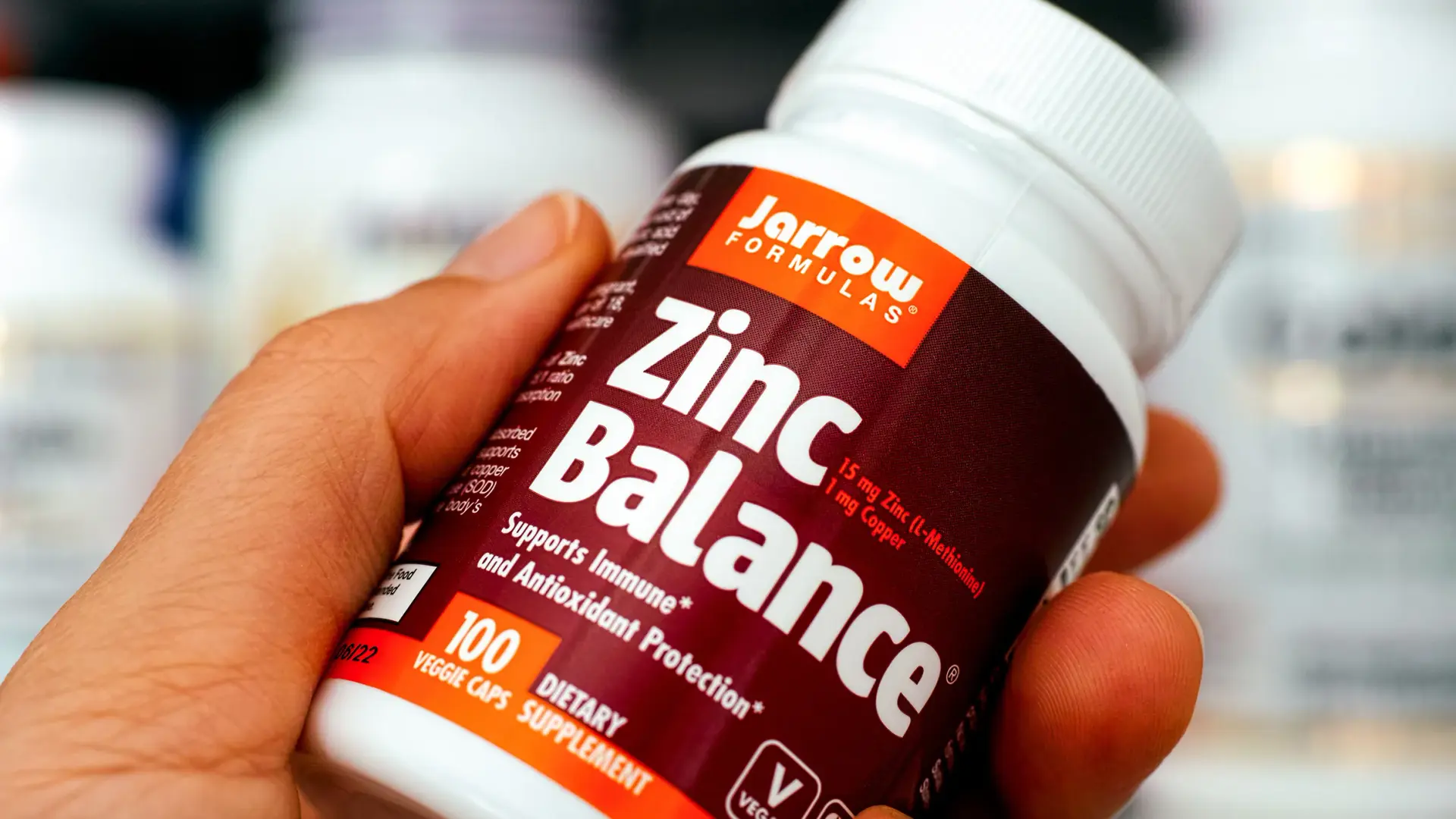
Hydration and nutrition directly impact semen volume and sperm health. Men who are chronically dehydrated may notice reduced ejaculate volume because seminal fluid production depends on adequate fluid intake. Adequate intake of zinc, selenium, vitamin C, and other micronutrients supports healthy sperm production. Conversely, poor nutrition, obesity, or extreme caloric restriction can impair the hormonal environment necessary for spermatogenesis and reduce fertility. Similarly, regular exercise and maintaining a healthy body weight support optimal testosterone levels and sperm production, while sedentary behavior and obesity can impair both.
Lifestyle factors including sleep quality, stress management, and substance use significantly influence sperm recovery and production. Sleep deprivation and chronic stress elevate cortisol levels, which can suppress testosterone and impair spermatogenesis. Smoking, excessive alcohol use, and recreational drug use all negatively affect sperm count, motility, and morphology. Men who smoke typically have lower sperm counts and reduced motility compared to non-smokers. Marijuana use may temporarily reduce sperm count, and excessive alcohol can impair hormone production. Making these lifestyle adjustments can improve sperm recovery and overall reproductive health within weeks to months.
Underlying health conditions and medications also play a role. Infections such as epididymitis or prostatitis can temporarily affect sperm quality. Hormonal imbalances, including low testosterone or thyroid dysfunction, impair spermatogenesis. Some medications, including certain antibiotics, can temporarily affect sperm production, though the effect is usually reversible once the medication is stopped. Men with chronic conditions should discuss fertility concerns with their healthcare provider.
Optimizing Sperm Health and Recovery
To support optimal sperm regeneration and overall reproductive health, prioritize consistent hydration by drinking adequate water throughout the day. Aim for at least 2 to 3 liters daily, adjusting for activity level and climate. Eat a nutrient-dense diet rich in fruits, vegetables, lean proteins, and whole grains. Include foods high in antioxidants such as berries, leafy greens, and nuts, which support sperm health.
Maintain regular physical activity, aiming for at least 150 minutes of moderate exercise weekly. Exercise supports healthy body weight, improves cardiovascular function, and helps regulate hormone levels. Limit alcohol consumption to moderate levels and avoid smoking and recreational drugs. Prioritize sleep, aiming for 7 to 9 hours nightly, as sleep is crucial for hormone production and cellular repair.
Manage stress through meditation, deep breathing, exercise, or other relaxation techniques. Consider limiting heat exposure to the genital area, as elevated temperature can temporarily impair sperm production. Avoid prolonged sitting in hot environments or wearing tight underwear. If you are trying to conceive and have concerns about sperm volume or count, tracking when you ejaculate relative to your partner's ovulation window can optimize your chances. Most importantly, speak with a healthcare provider if you have ongoing concerns about fertility or sperm health.

The timeline for sperm production is determined by the continuous 74-day spermatogenesis cycle, which your body maintains regardless of ejaculation frequency. What changes rapidly is your semen volume and stored sperm count, which return to baseline within 24 to 48 hours after ejaculation. Understanding this distinction helps you set realistic expectations about fertility and sexual health. Age, hydration, nutrition, lifestyle factors, stress, sleep, and overall health status all influence how efficiently your body produces and maintains a healthy sperm supply.
If you are trying to conceive, managing these factors can optimize your reproductive potential. If you are concerned about sperm production, volume, or fertility, speaking with a Tuyo Health clinician can provide personalized guidance based on your specific situation. A healthcare provider can evaluate whether underlying conditions or medications are affecting your sperm production and recommend targeted interventions.

Continue Reading
The latest handpicked blog articles
Check all articles