Beetroot Benefits for Men: Blood Flow & Performance
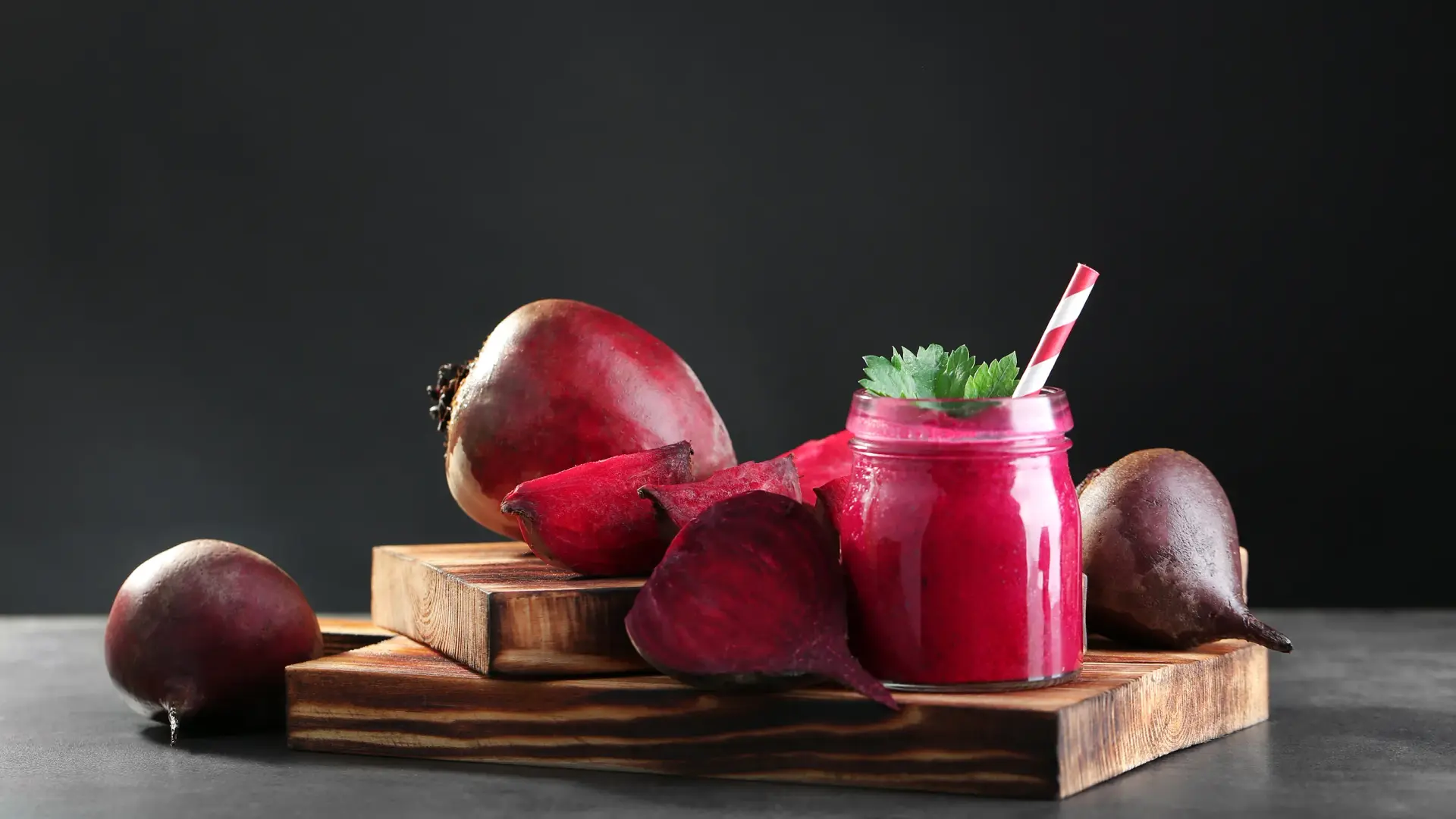

- Beetroot contains dietary nitrates that convert to nitric oxide, improving blood flow similar to watermelon and other natural vasodilators
- The conversion requires healthy oral bacteria and depends on saliva, making effectiveness variable between individuals
- Research shows beetroot juice reduces blood pressure and improves exercise performance through enhanced oxygen delivery
- The same vascular improvements that enhance athletic performance may help with erectile function in men with vascular-related ED
Quick Answers:
- Does beetroot help with erectile dysfunction? Beetroot's nitric oxide effects can improve blood flow to the penis, potentially helping men with ED related to vascular issues, though the effect is modest and gradual.
- What is in beetroot that helps sexually? Dietary nitrates in beetroot convert to nitric oxide through your oral bacteria and saliva, triggering the same vasodilation mechanism that improves blood flow.
- How much beet juice should men drink daily? Studies showing cardiovascular benefits used 250 to 500 milliliters of beet juice daily, a dose that may have similar sexual health effects.
- Is beet juice safe with ED medications? Beetroot's blood pressure lowering effects can combine with medications like Viagra, potentially causing low blood pressure, so consult your doctor before combining them.
- How long does it take for beet juice to work? Cardiovascular effects appear within 1 to 3 hours of consumption, but consistent daily use for 2 to 4 weeks shows the most measurable improvements.
How Beetroot's Nitrates Become Nitric Oxide
Beetroot's pathway to improved sexual function involves a unique biological process dependent on your oral bacteria. Unlike watermelon's citrulline, which your body converts internally through enzyme action, beetroot's nitrates undergo transformation that begins in your mouth. When you consume beet juice or eat beetroot, dietary nitrates from the plant travel to your saliva glands, where they concentrate significantly. Your oral bacteria, particularly Nitrosomonas and other nitrate-reducing species, convert these nitrates into nitrite. This nitrite-rich saliva goes down your esophagus and reaches your stomach and small intestine, where the acidic environment converts nitrite into nitric oxide. This unique dual-stage conversion process explains why beetroot's effectiveness varies between individuals, based on the health and diversity of their oral microbiome. People taking antibiotics that kill oral bacteria may experience reduced nitrate conversion and less benefit from beetroot consumption. Similarly, chlorhexidine mouthwash, often recommended by dentists, significantly reduces the bacterial species responsible for nitrate conversion, essentially blocking beetroot's beneficial mechanism. Once nitric oxide is produced in your digestive tract, it enters the bloodstream and triggers the same vasodilation cascade present in watermelon's mechanism. In blood vessels. nitric oxide activates guanylate cyclase, which increases cyclic GMP, the critical second messenger for smooth muscle relaxation. This pathway expands blood vessels, reducing blood pressure and improving oxygen delivery throughout your body, including to penile tissues. The 2014 research published in the American Journal of Hypertension demonstrated that beet juice supplementation produced significant blood pressure reductions comparable to pharmaceutical interventions. The same cardiovascular benefits that improve exercise performance and endurance extend to sexual function, where erectile capacity depends on robust blood flow.
Beetroot's Impact on Athletic Performance and Sexual Vascular Function
The research foundation for beetroot's health effects comes primarily from exercise physiology studies showing dramatic improvements in athletic performance. Nitric oxide's role in vasodilation enhances oxygen delivery to muscles, reducing the oxygen cost of physical activity and improving endurance. Multiple studies show that beet juice consumption 60 to 90 minutes before exercise improves time-to-exhaustion by 5 to 15 percent in trained athletes. This enhancement occurs because nitric oxide increases blood flow, reduces blood pressure, and improves the efficiency of oxygen utilization at the mitochondrial level. The same mechanism that helps athletes deliver more oxygen to working muscles improves blood flow to the penis during arousal, supporting stronger erections. Men with vascular causes of erectile dysfunction, common in diabetes, hypertension, and smoking, often benefit from interventions that improve endothelial function and nitric oxide signaling. While beet juice is not a treatment for severe ED, the evidence suggests potential benefit for men with mild to moderate ED related to vascular insufficiency. The improvement works gradually, building over weeks of consistent consumption rather than providing acute effects. Research distinguishes between acute effects observed within hours of consumption and chronic effects from regular daily use. While a single dose of beet juice may show detectable improvements in blood flow within 2 to 3 hours, consistent daily consumption for 2 to 4 weeks produces measurable changes in resting blood pressure and oxygen efficiency. For sexual function, the chronic approach of daily beet juice consumption is more likely to produce noticeable improvement than occasional use.

Practical Consumption and Safety Considerations
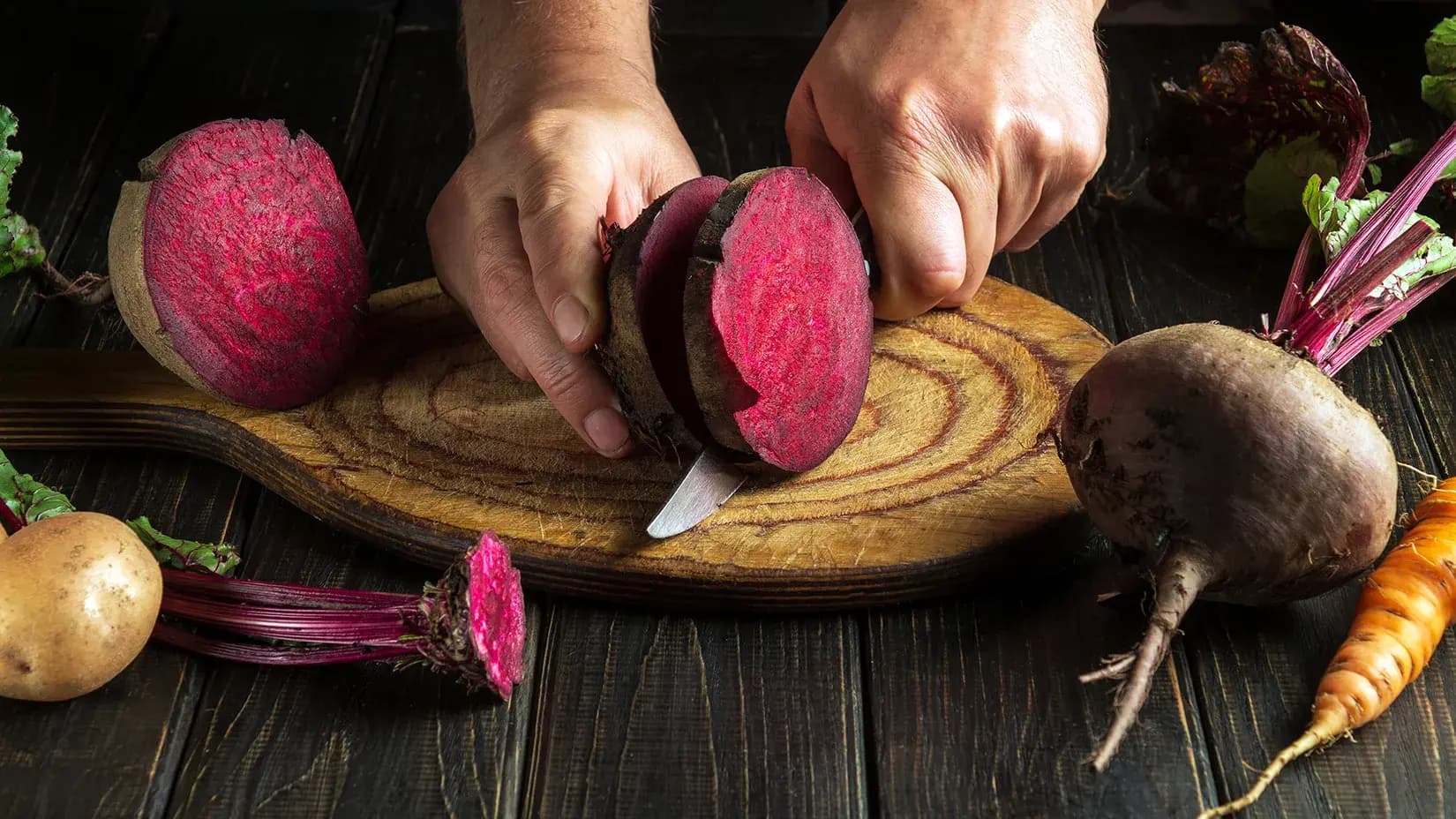
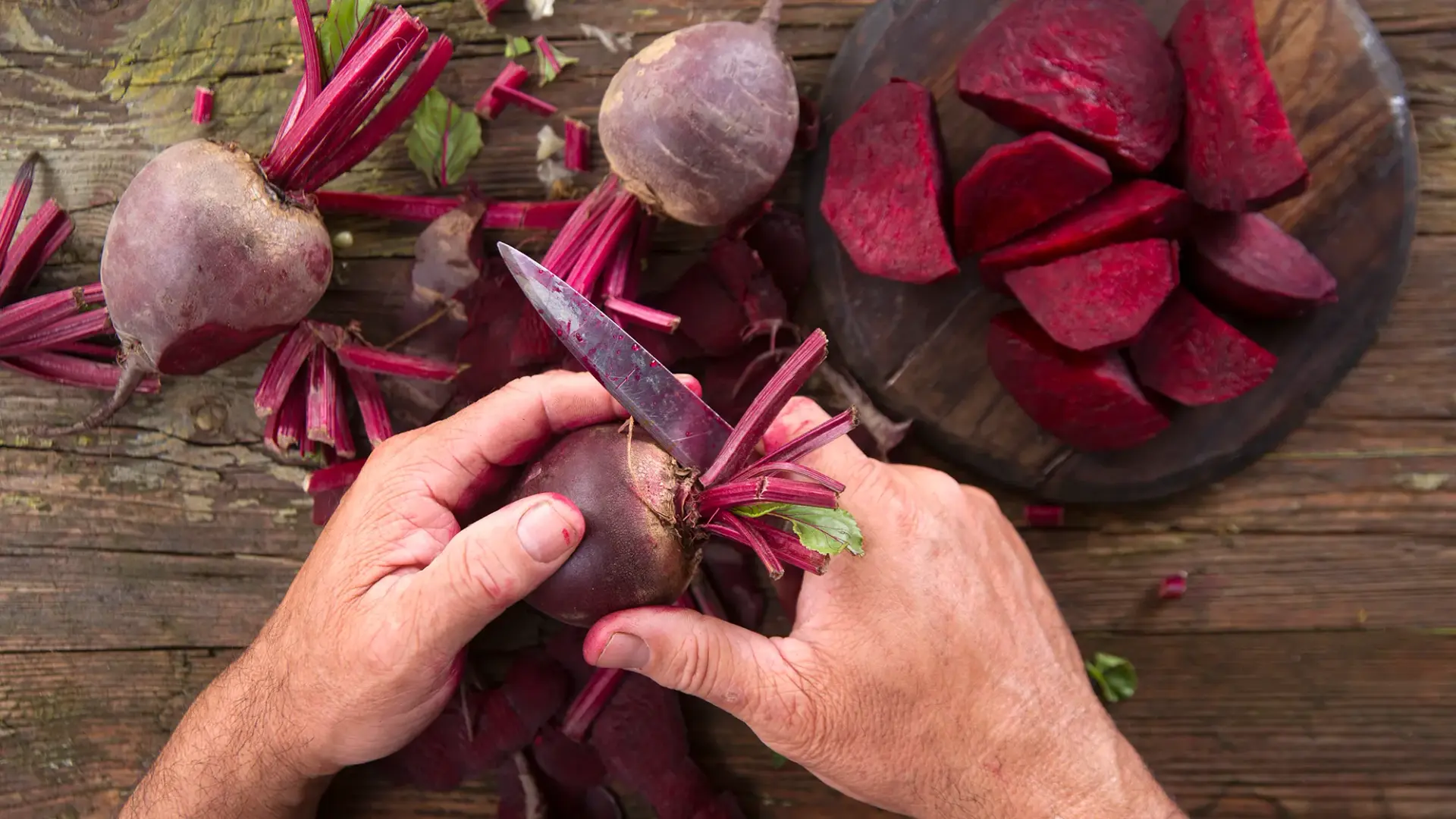
Beetroot can be consumed as whole roasted beets, raw beets, or beet juice, with juice providing the highest nitrate concentration per serving. Raw beetroot contains slightly more nitrates than cooked beets, as heat can marginally reduce nitrate content, though cooking also improves bioavailability of other nutrients. Commercial beet juice typically contains 400 to 500 milligrams of dietary nitrates per cup, matching the doses used in cardiovascular research. Freshly juiced beetroot contains similar amounts when prepared without added sugar or preservatives. The taste of pure beet juice is intensely earthy and difficult for many people to consume daily, so many combine it with other vegetable juices like carrot or apple juice for palatability. This dilution reduces the concentration of nitrates somewhat but makes consistent consumption more feasible. To achieve potential sexual health benefits, consuming 250 to 500 milliliters of beet juice or equivalent beetroot daily represents a reasonable starting point based on cardiovascular research. Some individuals notice blood flow benefits within several days, while others require weeks of consistent consumption before measurable improvements occur. Beetroot juice has a mild laxative effect in some people due to its fiber content when drinking whole juice, or its magnesium content, so starting with smaller amounts and increasing gradually minimizes digestive disruption. If you have a history of kidney stones, particularly calcium oxalate stones, consuming large amounts of beetroot is not recommended, as the plant contains significant oxalates.
Drug Interactions and Medical Supervision
The most important safety consideration with beetroot involves potential interactions with blood pressure medications and erectile dysfunction drugs. Beetroot reduces blood pressure through nitric oxide production, and consuming it regularly alongside antihypertensive medications can lower blood pressure excessively, causing dizziness, fainting, or cardiovascular stress. Similarly, medications like Viagra, tadalafil, and other phosphodiesterase-5 inhibitors work by enhancing nitric oxide signaling in blood vessels. Combining these medications with high-dose beetroot consumption amplifies nitric oxide effects, potentially producing hypotension. This interaction is particularly important because erectile dysfunction medications already carry a warning about blood pressure drops when combined with nitrate-containing medications like nitroglycerin. While beetroot is not a pharmaceutical nitrate, the cumulative effect of multiple nitric oxide-enhancing compounds requires medical supervision. If you are taking any blood pressure medication, any erectile dysfunction medication, or any medication containing organic nitrates, discuss beetroot consumption with your clinician before increasing intake significantly. Your doctor can monitor blood pressure and adjust medications if needed, or suggest an alternative approach. Men without significant medical conditions can safely incorporate beetroot juice into their diet as a long-term dietary approach to supporting vascular health and sexual function, but those with underlying health conditions benefit from a medical discussion first.

Beetroot provides a natural source of dietary nitrates that your body converts to nitric oxide, improving blood flow through the same vascular mechanisms that make it beneficial for cardiovascular health and athletic performance. The research supporting beetroot for general cardiovascular health is strong, while the specific evidence for sexual function is more limited but conceptually sound based on the central role of blood flow in erectile function. Beetroot works best as a long-term dietary approach to supporting vascular health rather than an acute intervention, with benefits typically appearing over weeks of consistent daily consumption. The critical safety consideration involves potential interactions with blood pressure medications and erectile dysfunction drugs, making a conversation with your clinician important before significantly increasing beetroot consumption if you have any existing medical conditions or take medications.

Continue Reading
The latest handpicked blog articles
Check all articles