Can You Get Someone Pregnant on TRT?
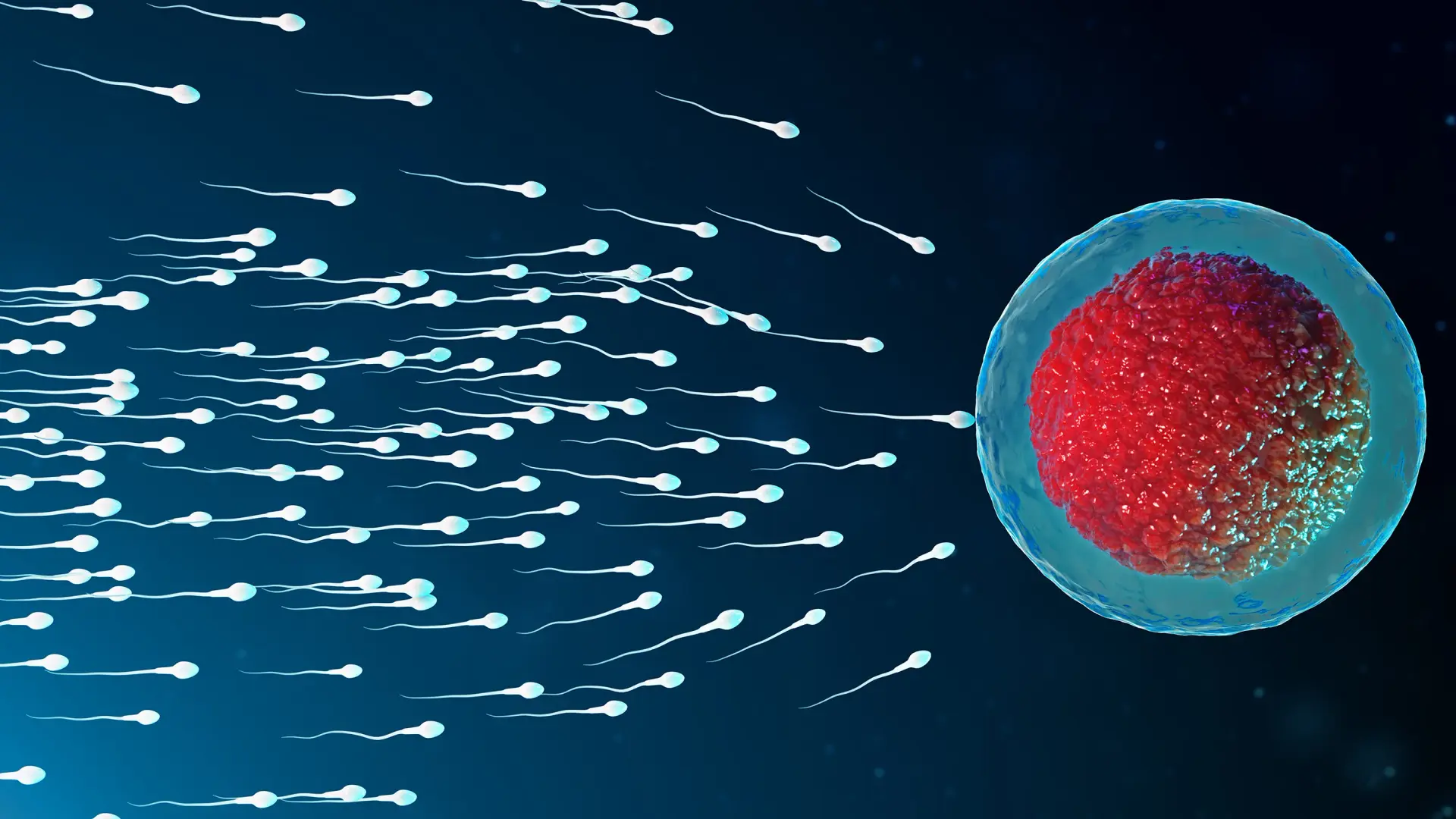

- Testosterone replacement therapy suppresses natural sperm production through the hypothalamic-pituitary-gonadal axis, making fertility significantly more difficult
- Most men on exogenous testosterone develop azoospermia, a condition of having essentially zero sperm in the ejaculate
- Fertility can typically be restored after discontinuing TRT, though recovery may take 3 to 12 months or longer depending on individual factors
- Medications like enclomiphene and hCG can support sperm production for men who need testosterone support while trying to conceive
Quick Answers:
- Can you get someone pregnant while on TRT? It is unlikely but not impossible. TRT suppresses sperm production significantly, and most men on testosterone develop very low or zero sperm counts.
- Does TRT make you infertile? TRT causes temporary infertility in most men by shutting down the signals that stimulate sperm production. This is reversible when TRT is discontinued.
- How long after stopping TRT can you conceive? Sperm production typically begins recovering within 3 to 6 months after discontinuing TRT, though full recovery may take up to 12 months or longer.
- Can you take testosterone and still have kids? Yes, but it requires specific medical management. Options include using hCG alongside testosterone or switching to medications like enclomiphene that support both testosterone and sperm production.
- Should I stop TRT if I want to have a baby? In most cases, yes. Stopping TRT and using alternative medications under medical supervision is the most reliable approach to restoring fertility.

How Testosterone Suppresses Sperm Production
The human body maintains sperm production through a carefully balanced feedback system called the hypothalamic-pituitary-gonadal axis, or HPG axis. This system works like a feedback loop: the hypothalamus in the brain releases gonadotropin-releasing hormone, which signals the pituitary gland to produce luteinizing hormone and follicle-stimulating hormone. These two hormones then signal the testes to produce testosterone and sperm. This system is exquisitely sensitive to testosterone levels.
When a man uses exogenous testosterone, either through injections, gels, patches, or other delivery methods, blood testosterone levels rise significantly above the body's natural production rate. The body detects this elevation in circulating testosterone and responds by shutting down the natural production of luteinizing hormone and follicle-stimulating hormone. This is a protective feedback mechanism, but it has a dramatic consequence: without adequate FSH and LH, the testes stop producing sperm, even though they continue producing testosterone through the exogenous source.
The timeline for sperm suppression varies but typically occurs within weeks to a few months after starting TRT. Research shows that sperm count begins declining within the first few weeks of testosterone therapy, and most men on standard TRT doses develop azoospermia within 2 to 4 months. Some men maintain minimal sperm production, but counts are typically below the threshold considered necessary for natural conception. This suppression is not permanent if testosterone is stopped, but recovery can be slow and unpredictable.
The degree of suppression correlates with testosterone dose and route of administration. Men on higher doses or using depot formulations like testosterone cypionate or enanthate may experience more profound suppression than those using lower-dose gels. However, even physiologic replacement doses typically impair sperm production to some degree. The point is that for most men seeking TRT, accepting reduced fertility is part of the therapeutic trade-off.
Fertility Recovery and Restoration Options After Discontinuing TRT
If a man on TRT decides to pursue biological fatherhood, the first question is whether he can recover sperm production by stopping testosterone. The answer is yes, but with caveats. After discontinuing TRT, the HPG axis eventually normalizes, FSH and LH rebound, and sperm production resumes. However, this process is not instantaneous.
Most men begin seeing improvement in sperm count within 3 to 6 months after stopping testosterone, with continued improvement over 12 to 18 months. Some men achieve normal or near-normal sperm counts within this timeframe, while others experience prolonged suppression lasting 2 years or more. Factors influencing recovery include how long the man was on TRT, the doses he used, his age, and his baseline fertility status before starting therapy. Younger men generally recover faster than older men. Men who used TRT for only a few months typically recover faster than those who were on it for years.
The unpredictability of recovery is important to understand. A man cannot predict with certainty whether his sperm production will fully normalize or when that will occur. For men who are actively trying to conceive after TRT, the recovery period represents a window of time when fatherhood may be impossible or extremely difficult. Semen analyses during this period show variable results, and some men pursue fertility interventions like intrauterine insemination or in vitro fertilization if recovery is slow.
Resuming low-dose hCG therapy immediately after stopping TRT can sometimes accelerate recovery. hCG mimics luteinizing hormone, stimulating testosterone production from the testes while also potentially stimulating sperm production. Some men who have recovered from TRT-induced azoospermia were helped by adding hCG therapy during the recovery phase, though results are variable.


Alternatives to Traditional TRT That Preserve Fertility
Men concerned about fertility have options beyond traditional testosterone replacement. Enclomiphene is a selective estrogen receptor modulator that blocks feedback inhibition of the HPG axis without suppressing sperm production. Enclomiphene increases the body's own production of testosterone by freeing up FSH and LH release, allowing sperm production to continue while raising testosterone levels. For many men with low testosterone who are concerned about fertility, enclomiphene offers an attractive middle ground.
Another option is clomiphene citrate, which works similarly to enclomiphene by blocking the effects of estrogen on the hypothalamus and pituitary, thereby increasing endogenous testosterone production. Clomiphene has been used off-label for many years to treat low testosterone while preserving fertility. Studies show that most men on clomiphene maintain adequate sperm counts. However, clomiphene may be less selective than enclomiphene and can sometimes cause visual disturbances or mood effects as side effects.
Low-dose hCG monotherapy is another approach. hCG directly stimulates testosterone production from the testes by mimicking luteinizing hormone. When used appropriately, hCG can raise testosterone levels while maintaining the FSH signaling necessary for sperm production. Some men use hCG as monotherapy, while others combine it with hCG and aromatase inhibitors to prevent excessive estrogen conversion. This approach requires careful monitoring and dose optimization.
The trade-off with fertility-preserving alternatives is that testosterone levels may not rise as dramatically as they would with traditional TRT, and symptom relief may not be as pronounced. Some men feel significantly better on traditional testosterone replacement than on alternatives. The decision requires weighing the priority of fertility against the intensity of symptom relief and the ease of treatment. A Tuyo Health clinician can help evaluate which option aligns best with individual priorities.
Sperm Banking and Preemptive Fertility Preservation
For men who anticipate using TRT and want to preserve the option of biological fatherhood, sperm banking before starting therapy is a rational choice. Sperm banking involves collecting semen samples, evaluating them for viability and motility, and cryopreserving them in liquid nitrogen. Preserved sperm can remain viable for decades, ensuring that a man can pursue conception using his own sperm even if TRT-induced azoospermia develops.
The process requires collecting samples at a fertility clinic or sperm bank, usually 2 to 5 samples collected over several days to a few weeks. Each sample is tested for volume, count, motility, and morphology. The samples are then frozen using specific cryopreservation techniques. Costs vary but typically range from several hundred to a few thousand dollars depending on the number of samples stored and the facility. Annual storage fees apply.
Sperm banking is particularly important for men who are certain they will use TRT long-term and may want biological children in the future. It is also reasonable for men who are young and unsure about their future reproductive desires, as it offers optionality without requiring commitment to any particular path. The main limitation is that sperm banking does not guarantee conception, as frozen sperm may have reduced viability or motility compared to fresh ejaculate. However, it provides a safety net that biological fatherhood remains possible even after years on testosterone therapy.

Testosterone replacement therapy effectively suppresses sperm production for most men, making natural conception during therapy unlikely. Recovery after stopping TRT can take many months and is unpredictable. Men who are using TRT and want to preserve fertility have options including fertility-sparing alternatives like enclomiphene or clomiphene, sperm banking before starting therapy, or transitioning to alternative treatments if fatherhood becomes a priority. The conversation between a man and his healthcare provider should include fertility implications before starting TRT, particularly for younger men or those who may want biological children.
If you are considering TRT or are already on testosterone and concerned about your fertility or family planning goals, speak with a Tuyo Health clinician. A healthcare provider can discuss your specific situation, review your options, help you understand the timeline for recovery if you decide to stop treatment, or discuss sperm banking if that aligns with your goals.

Continue Reading
The latest handpicked blog articles
Check all articles