Best Testosterone Booster for ED: Do They Work?


Introduction
Testosterone boosters are widely marketed to men seeking solutions for low energy, muscle loss, and sexual dysfunction. The supplement industry promises dramatic improvements through natural ingredients, but the reality is more nuanced. These over-the-counter products operate in a regulatory gray area, with most containing ingredients that lack robust clinical evidence. Understanding what testosterone boosters can and cannot do prevents wasted money and defers treatment that actually works.
The central question is whether over-the-counter testosterone boosters can meaningfully improve erectile dysfunction. The short answer: if your ED stems from clinically low testosterone, an OTC booster is unlikely to raise levels sufficiently to help. If your ED has other causes, a supplement cannot fix it. However, certain ingredients in these products do have some scientific support for modest effects on testosterone levels and sexual function in specific populations.
The gap between marketing claims and scientific evidence is substantial. Many testosterone boosters contain ingredients that show minimal effect in rigorous studies, while others contain compounds with better evidence that unfortunately will not help most men significantly. Distinguishing between them requires examining the clinical data for each ingredient. For men seeking to improve sexual function and considering supplementation, this review provides the evidence you need to make informed decisions.
Quick Answers:
- Can testosterone boosters help erectile dysfunction? OTC testosterone boosters may provide modest benefits if low testosterone contributes to your ED, but they are unlikely to restore testosterone to therapeutic levels in men with genuine deficiency.
- What ingredients in testosterone boosters have evidence? D-aspartic acid, zinc, vitamin D, ashwagandha, fenugreek, and tribulus have some research support, though effect sizes are generally modest.
- How do testosterone boosters compare to TRT? Prescription testosterone replacement therapy raises testosterone levels dramatically and reliably, while OTC boosters typically produce small increases if any, particularly in men with low baseline testosterone.
- How long do testosterone boosters take to work? If they work at all, most require 4-8 weeks of consistent use before noticeable effects appear, and many users never notice meaningful improvement.
- When should someone see a doctor instead? Men with symptoms of low testosterone should get testosterone levels tested and consult a clinician rather than self-treating with supplements.

Ingredients With Evidence vs. Marketing Hype
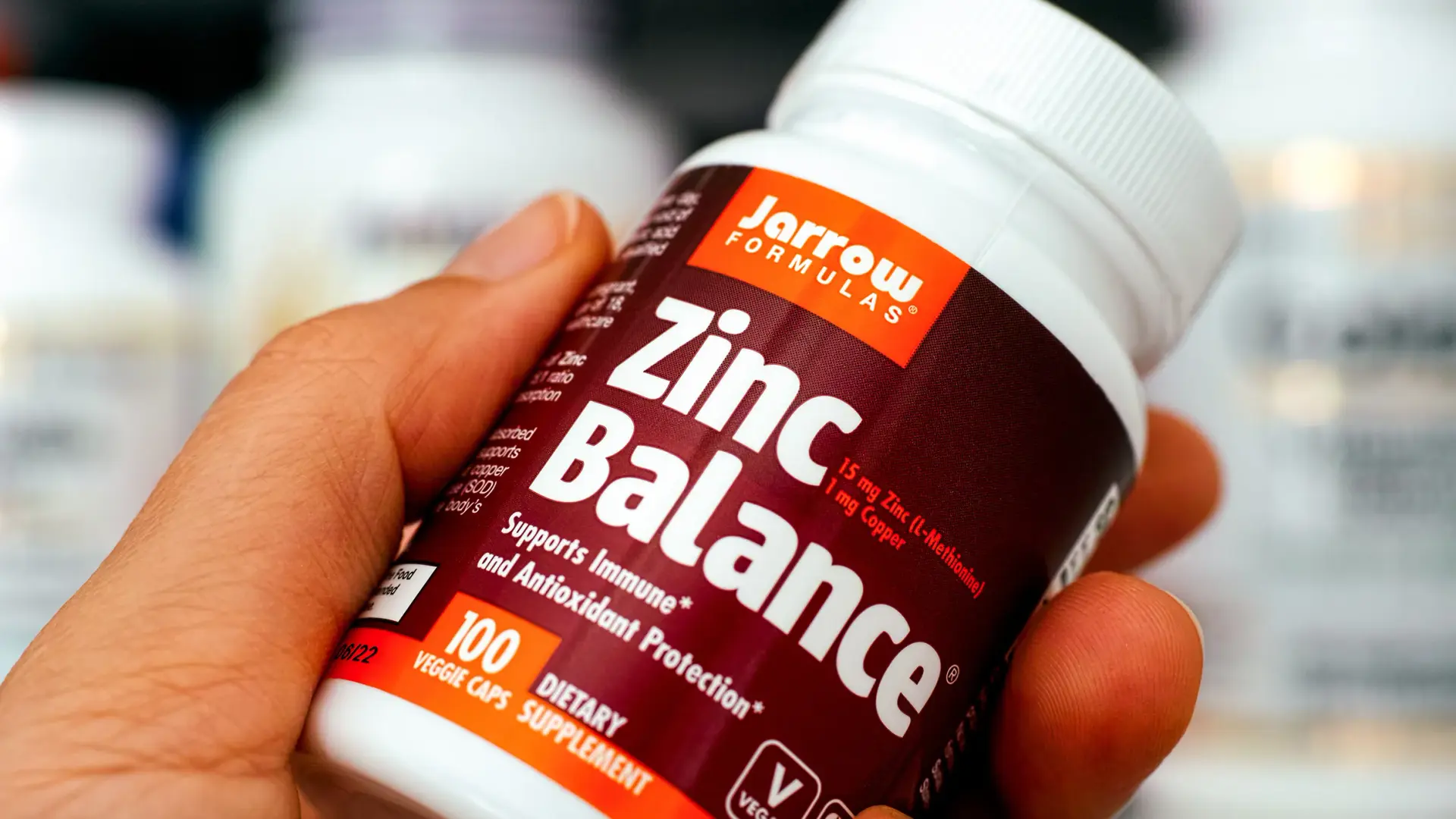
D-aspartic acid became popular in testosterone boosters based on early research suggesting it increased testosterone in both animals and men. However, subsequent studies, particularly in resistance-trained men, showed minimal or no effect on testosterone levels. Its popularity persists largely due to marketing rather than continued scientific support. Zinc, by contrast, has genuine physiological importance for testosterone production. Men who are genuinely zinc-deficient do show improved testosterone with supplementation. However, most men in developed countries get adequate zinc from diet, so supplementation helps only those with actual deficiency. Vitamin D shows stronger evidence, particularly in men with baseline deficiency, supplementation can improve testosterone levels and sexual function.
Ashwagandha and fenugreek have stronger evidence bases than many other supplement ingredients. Studies show ashwagandha improves testosterone levels and sexual function in men when used consistently over weeks. Fenugreek similarly shows improvements in testosterone-related markers and sexual satisfaction in some studies. Neither will replicate the effects of prescription TRT, but both show more consistent benefits in research than many competing ingredients. Tribulus terrestris, despite heavy marketing, shows minimal evidence for testosterone improvement in most studies, though it may improve sexual satisfaction through other mechanisms.
The key point is that most testosterone booster ingredients show either minimal effect or modest effects that are most apparent in men with baseline deficiencies. The supplements are not useless, but they are not replacements for actual medical treatment. A man with normal testosterone who takes these supplements should expect minimal benefit. A man with mild deficiency might see modest improvements. A man with significant testosterone deficiency needs prescription TRT, not supplements.
The Reality of Testosterone Boosters and Erectile Dysfunction
The relationship between testosterone boosters and erectile dysfunction is important to clarify. If a man's ED is purely psychological or stems from cardiovascular issues unrelated to testosterone, a testosterone booster will not help his erections, period. If his ED relates to low testosterone specifically, an OTC booster might provide modest benefit if it contains ingredients with actual evidence and his baseline deficiency is mild. However, most men with clinically significant testosterone deficiency have levels too low for OTC supplements to raise meaningfully.
Prescription testosterone replacement therapy, by contrast, reliably increases testosterone from deficient to normal or therapeutic ranges. Men taking TRT for documented deficiency typically see improvements in libido within weeks and often experience some improvement in erectile function if low testosterone contributed to the problem. The difference in effectiveness between OTC boosters and medical TRT is substantial. An OTC booster might modestly increase free testosterone perhaps by 10-20%. TRT increases total testosterone by 200-500% or more, a fundamentally different magnitude of effect.
Realistic expectations matter. If you are considering a testosterone booster for ED, ask yourself whether you have actually been tested for low testosterone. If not, testing comes first. If testing shows normal testosterone, supplementation will not improve ED. If testing shows deficiency, discuss prescription TRT with your clinician rather than trying over-the-counter boosters. These supplements might provide modest support alongside other ED treatments, but they should not be your primary strategy.


How to Know When You Have Low Testosterone
Testosterone deficiency produces specific symptoms beyond just sexual dysfunction. Men with low testosterone often experience low energy, difficulty gaining or maintaining muscle mass, reduced ability to concentrate, mood changes, and decreased sexual interest. If you experience multiple these symptoms alongside erectile problems, testosterone testing makes sense. A simple blood test measuring total and free testosterone provides a clear answer.
Normal testosterone ranges from about 300 to 1000 nanograms per deciliter, though there is individual variation. Values below 300 suggest possible deficiency, particularly if you have accompanying symptoms. Importantly, a single low reading might reflect temporary variation due to stress, sleep, or illness. Clinicians typically retest before diagnosing deficiency and consider symptoms alongside lab values. Do not diagnose yourself as testosterone-deficient based on a single low test or online symptom checkers. Proper medical evaluation matters.
If testing confirms low testosterone, prescription TRT is the evidence-based treatment. Clinically directed TRT is safe and effective for most men with genuine deficiency. It produces reliable improvements in testosterone levels, restores libido, and often improves erectile function when low testosterone contributed to the ED. This is where medical intervention provides real value compared to over-the-counter supplements.
The Supplement Industry and Realistic Expectations
The supplement industry operates with minimal FDA oversight and heavy marketing. Companies marketing testosterone boosters often make claims that exceed what the science actually supports. They use before-and-after photos from men who also exercised, dieted, and sometimes used other treatments. They cite small studies while ignoring larger, more rigorous research contradicting their claims. This is standard supplement marketing, and most consumers fall for it because they want the products to work.
Setting realistic expectations protects your health and wallet. Some testosterone booster ingredients have genuine evidence for modest effects. None replicate prescription TRT. None will restore normal testosterone in a man with significant deficiency. Some may provide marginal benefits to men with mild deficiency who also exercise, sleep well, and eat properly. Most will be ineffective for the average man with normal testosterone who simply wants sexual enhancement. Before spending money on supplements, verify through testing whether low testosterone even contributes to your problem.
Given that actual ED medications and TRT have proven effectiveness, investing in supplements instead of evidence-based treatment delays actually addressing the problem. "Horny goat weed" and countless other supplement ingredients have been marketed for sexual enhancement without meaningful evidence. Time is better spent getting proper medical evaluation, obtaining a diagnosis, and pursuing treatments that work. If low testosterone is not your issue, a testosterone booster will not help. If it is your issue, prescription treatment works.

Conclusion
Testosterone boosters fill a marketing niche between curiosity and actual medical treatment. Some contain ingredients with modest scientific support, but none provide benefits comparable to prescription testosterone replacement therapy in men with true deficiency. The supplements may offer marginal benefits to men with mild deficiency who also optimize lifestyle factors, exercise, sleep, and diet. For most men, they are ineffective and represent wasted money that could go toward real ED treatments.
The honest assessment is that over-the-counter testosterone boosters are not the answer to erectile dysfunction for the vast majority of men. If your ED relates to low testosterone, you need medical evaluation and possibly prescription TRT. If your ED stems from other causes, supplementation will not help. Rather than attempting self-treatment with supplements, consulting a clinician provides clear answers about what actually contributes to your ED and what treatments work.
If you are considering testosterone boosters because you suspect low testosterone, start with testing. If you want guidance on whether low testosterone might contribute to your ED and what treatment options exist, Tuyo Health connects you with clinicians who can properly evaluate your situation. Talk to a Tuyo Health clinician today to get tested and explore treatments that actually work.

Continue Reading
The latest handpicked blog articles
Check all articles