Erectile Dysfunction: Causes, Treatments & What Works


Erectile dysfunction affects millions of men worldwide, yet many feel isolated by the condition. ED is not simply a normal part of aging, nor is it something you must accept without treatment. Modern medicine offers multiple pathways to recovery, from pharmaceutical interventions to lifestyle modifications to device-based solutions.
Understanding what causes your ED is the first step toward choosing the right treatment. The condition stems from both physical and psychological factors, often in combination. Your cardiovascular health, hormone levels, nervous system function, relationship dynamics, stress levels, and medication history all play a role.
The good news: erectile dysfunction is highly treatable. Whether your ED developed gradually or appeared suddenly, clinically validated solutions exist. This guide walks you through the science of how erections work, what derails the process, and why different treatments work for different people.
Your path forward starts with accurate information and professional guidance. Let's explore what ED is, what causes it, and what actually restores function.
Quick Answers:
- What causes erectile dysfunction? ED results from physical factors like cardiovascular disease, diabetes, hormone imbalances, or obesity, and psychological factors like anxiety, depression, or relationship stress. Often both types of causes work together.
- Is erectile dysfunction permanent? No. ED is treatable in the majority of cases. The right approach depends on the underlying cause, which is why medical evaluation matters.
- What are the best ED treatments? Proven treatments include prescription medications like Viagra and Cialis, instant erection pills, lifestyle changes, therapy, and devices. The best choice depends on your cause and preferences.
- When should I see a doctor about ED? If erection problems persist for more than a few weeks or create distress, consult a clinician. ED often signals underlying cardiovascular or metabolic issues worth investigating.
- Can natural remedies treat ED? Natural approaches support sexual function but are most effective combined with medical treatment, particularly for moderate to severe ED. Evidence for supplements varies.

Understanding How Erections Work and Why They Fail
An erection requires coordination between your nervous system, blood vessels, muscles, and hormones. When sexual stimulation occurs, your brain sends signals that relax smooth muscle tissue in the penis. This relaxation allows arteries to dilate and blood to rush into erectile tissue faster than it drains out, creating rigidity.
Several points in this process can break down. If your arteries are stiff from atherosclerosis, blood cannot flow adequately. If your nervous system cannot transmit the correct signals due to diabetes or nerve damage, the process never starts. If your testosterone levels are too low, your brain and body lose sexual interest entirely. If your endothelial cells, the lining of blood vessels, do not produce enough nitric oxide, the chemical messenger that enables blood vessel relaxation, erections weaken.
This is why ED often reflects cardiovascular health. The same conditions that restrict blood flow to your heart restrict blood flow to your penis. ED frequently appears before a heart attack or stroke, making it an early warning sign. A 2019 analysis in the European Heart Journal found men with ED faced 45 percent higher risk of cardiovascular death.
Understanding your specific cause matters because it guides treatment. A man with ED from diabetes requires different management than a man with ED from anxiety. This is precisely why medical evaluation, not guesswork, should guide your approach.
Physical Causes of Erectile Dysfunction
Cardiovascular disease represents the most common physical cause of ED. Hypertension, high cholesterol, atherosclerosis, and previous heart attacks all compromise blood flow to the penis. Diabetes damages both blood vessels and nerves, making it responsible for ED in roughly 35 to 50 percent of diabetic men.
Obesity drives ED through multiple pathways: it damages blood vessel function, reduces testosterone, increases inflammation, and contributes to sleep apnea, which further impairs erectile function. Weight loss of even 10 percent improves ED significantly in many men.
Hormonal imbalances, particularly low testosterone, diminish sexual interest and erectile capacity. Medications including antidepressants, blood pressure drugs, and antihistamines commonly impair erections as a side effect. Smoking damages blood vessels and reduces nitric oxide production. Excessive alcohol consumption impairs nerve signaling and damages tissue.
Pelvic surgery, spinal cord injury, and multiple sclerosis cause ED through nerve damage. Peyronie's disease, characterized by penile curvature from fibrous tissue buildup, makes normal erections impossible or painful. Prostate cancer treatment frequently causes ED through surgical nerve damage or radiation effects.
The pathway is clear: address the underlying physical condition, and ED often improves. This is why medication management, weight loss programs, smoking cessation, blood pressure control, and testosterone replacement, when appropriate, form the foundation of ED treatment.

Psychological Causes and How Treatment Adapts
Anxiety and depression represent the most common psychological drivers of ED. Performance anxiety creates a self-perpetuating cycle: worry about erection function impairs the relaxation required for erections, which confirms the fear, which worsens the next attempt.
Relationship conflict, unresolved trauma, low self-esteem, and stress from work or finances all suppress sexual function. Men experiencing depression often lose sexual interest entirely, independent of physical capacity. The brain's involvement in sexual response means psychological factors can override perfect physical function.
The practical difference: psychological ED typically responds rapidly to appropriate treatment. A man with ED purely from anxiety might recover full function within weeks of therapy and anxiety management. Psychological ED also responds well to medications like Viagra and Cialis, which work partly by reducing performance anxiety and partly through physical mechanisms.
Often ED involves both physical and psychological factors. A man with mild cardiovascular disease might have adequate blood flow for erections under perfect conditions but loses function under stress. Treating the physical component while addressing psychological factors yields the best results.
Treatment Categories: Finding What Works
Prescription medications remain first-line therapy for moderate to severe ED. Phosphodiesterase 5 inhibitors like Viagra and Cialis work by increasing blood flow and are effective in 60 to 80 percent of men. These require sexual stimulation and work best combined with lifestyle improvements.
Instant erection pills offer faster onset options for men seeking immediate effects. Alprostadil injections and penis sleeves provide alternatives for men who cannot take or do not respond to oral medications.
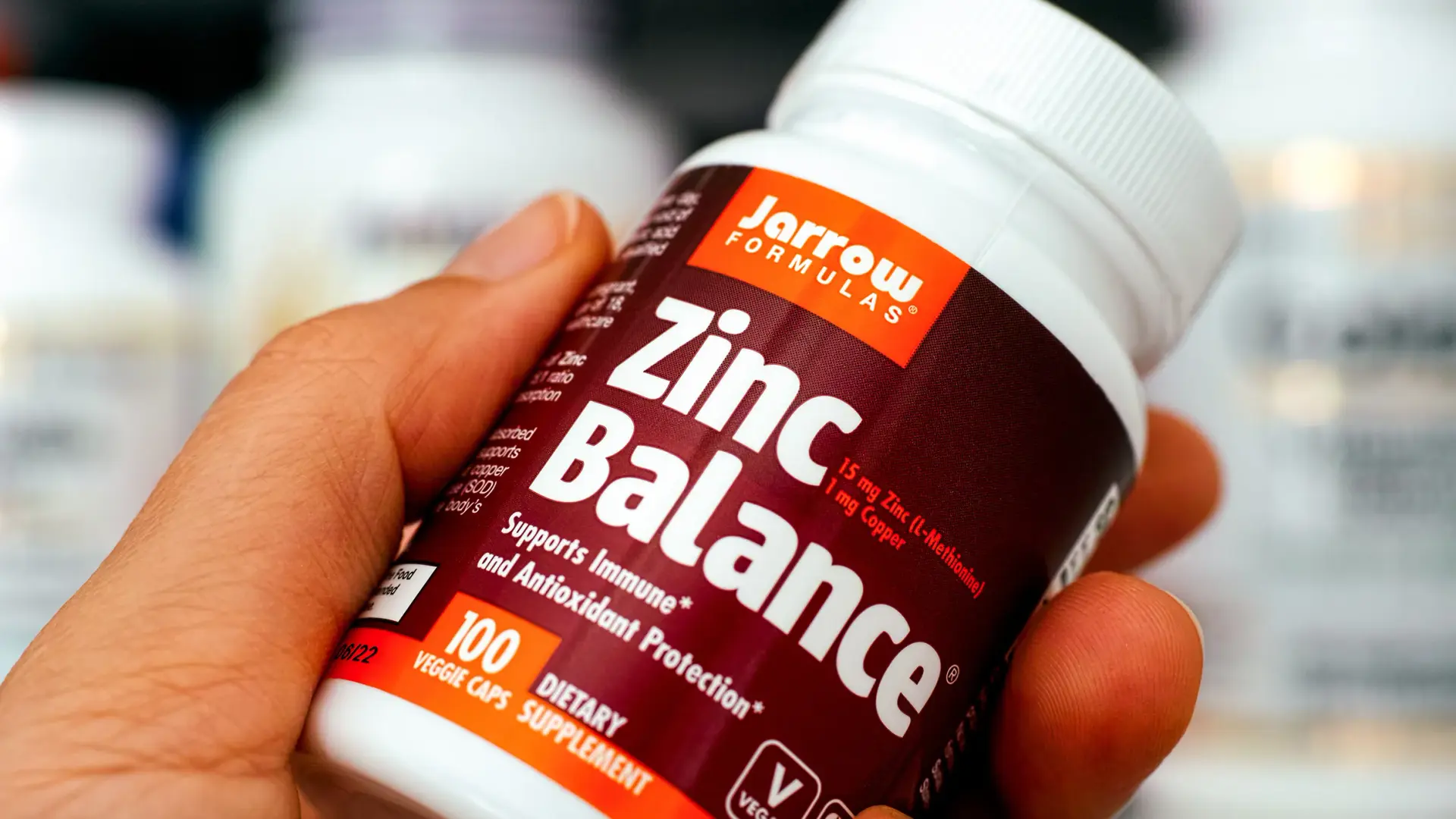
Natural remedies for ED including herbs like horny goat weed, ginseng, and L-arginine support erectile function, though evidence is weaker than for prescription medications. These work best for mild ED or as supplements to other treatments.
Lifestyle modification alone resolves ED in men with modifiable causes. Weight loss, cardiovascular exercise, smoking cessation, reduced alcohol, stress management, and improved sleep all restore erectile function. A Mediterranean diet combined with aerobic exercise has shown results comparable to medication in some studies.
Therapy and counseling address performance anxiety, relationship issues, and trauma. Sex therapy specifically targets sexual dysfunction patterns.

CONCLUSION
Erectile dysfunction is treatable. The multifactorial nature of ED means your treatment plan must address your specific causes, whether physical, psychological, or both. Cardiovascular health forms the foundation: controlling blood pressure, managing diabetes, maintaining a healthy weight, and exercising regularly improve ED directly while protecting your overall health.
Prescription medications work rapidly and effectively for most men. Psychological approaches resolve anxiety-based ED. Natural remedies support function but typically require time and work best for mild cases. Many men benefit most from combining approaches: medication plus lifestyle change, or medication plus therapy.
The critical first step is accurate diagnosis. A clinician can distinguish between physical and psychological causes through history, examination, and sometimes basic testing. This diagnosis guides which treatments will actually work for you rather than requiring frustrating trial and error.

Continue Reading
The latest handpicked blog articles
Check all articles