L-Arginine Dosage for ED: Complete Guide
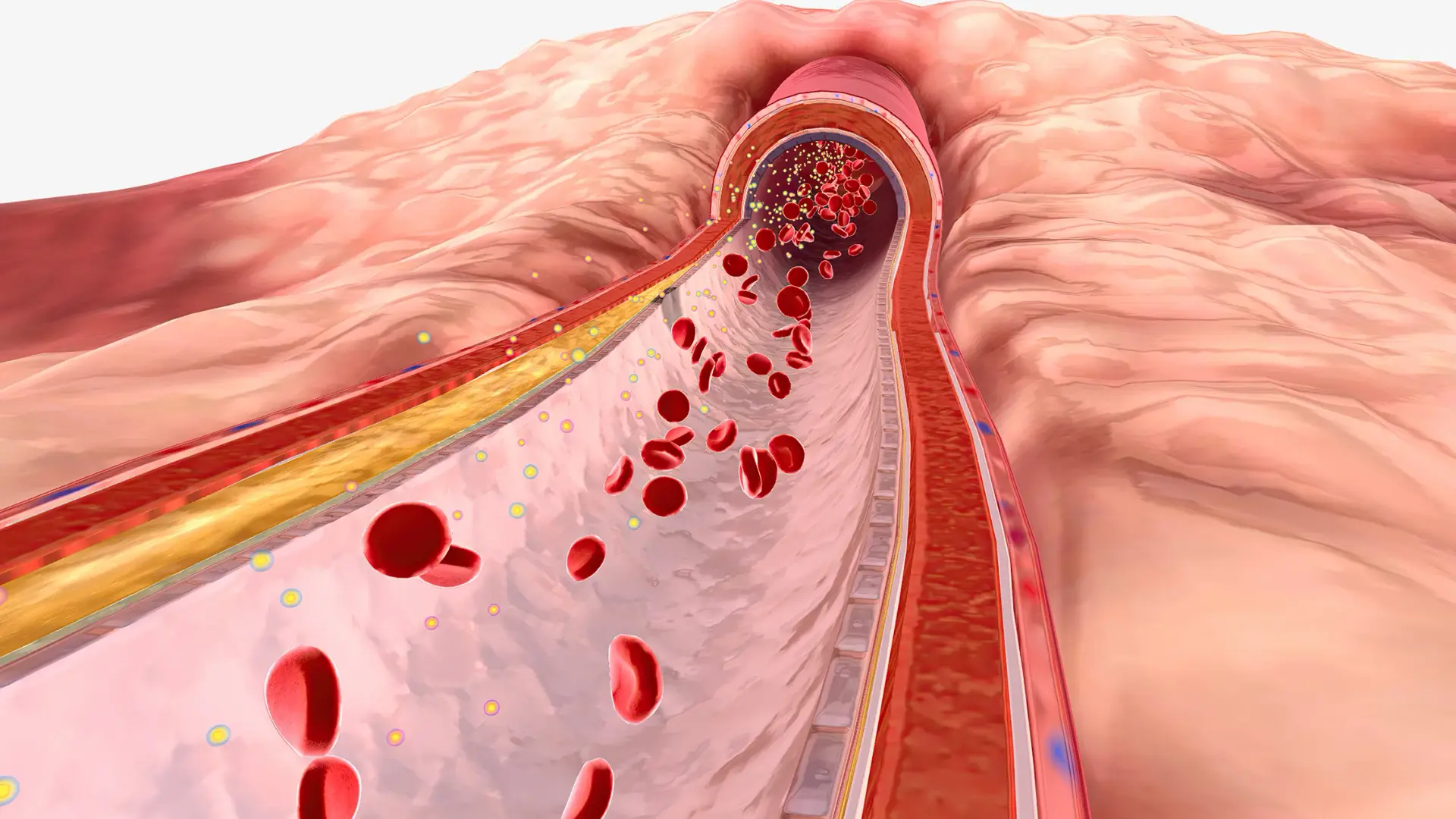

- L-arginine is an amino acid that serves as a precursor to nitric oxide, the key signaling molecule that enables healthy blood flow to the penis
- Clinical research from the past two decades shows modest but measurable benefits for erectile dysfunction, particularly in men with mild to moderate cases
- The challenge is not whether L-arginine works, but determining the right dosage, timing, and delivery method for your specific situation
- Many men combine L-arginine with other natural compounds or medications for improved results
Quick Answers:
- What is the effective L-arginine dosage for ED? Most clinical studies showing benefit used 3 to 6 grams per day, typically split into two or three doses.
- How long does it take to see results? Most men require four to twelve weeks of consistent use before noticing meaningful improvements in erectile function.
- Can L-arginine replace prescription medications? For mild to moderate ED driven by vascular issues, it may help, but severe cases typically require prescription options like PDE5 inhibitors.
- Are there safety concerns with L-arginine supplementation? Men with a history of herpes simplex virus should avoid L-arginine, as it can trigger outbreaks.
- Is L-citrulline better than L-arginine? L-citrulline converts to arginine more efficiently in the body and avoids significant first-pass metabolism, making it potentially more bioavailable.

How L-Arginine Supports Erectile Function
L-arginine works through a well-documented physiological pathway that directly impacts erectile capability. When consumed, L-arginine enters cells lining the penile arteries and is converted into nitric oxide by the enzyme nitric oxide synthase. Nitric oxide then triggers the relaxation of smooth muscle tissue in the corpus cavernosum, the erectile tissue of the penis, which allows blood vessels to dilate and blood to fill the chambers that create and maintain an erection. This mechanism is so fundamental to erectile physiology that many prescription medications, including sildenafil and tadalafil, work by amplifying this same nitric oxide signaling pathway, though through a different biochemical step. For men with vascular insufficiency or endothelial dysfunction as the root cause of their ED, increasing nitric oxide availability through L-arginine supplementation addresses the underlying problem rather than just masking symptoms. The 1999 study by Chen and colleagues published in the Journal of Urology demonstrated that men taking 5 grams of L-arginine daily experienced statistically significant improvements in erectile function compared to placebo, with the benefit becoming apparent after four to six weeks of consistent dosing. A 2019 meta-analysis published in the American Journal of Men's Health reviewed multiple randomized controlled trials and concluded that L-arginine showed modest but consistent benefits for mild to moderate erectile dysfunction, with effectiveness appearing highest in men with documented low nitric oxide availability or arterial insufficiency.
The Dosage Question and Bioavailability Challenge
The effective dosage range established in clinical research typically spans 3 to 6 grams per day, with most positive studies using 5 grams as the standard dose. However, determining how much of that ingested L-arginine actually reaches your bloodstream and tissues involves understanding bioavailability, which is where L-arginine supplements encounter a significant limitation. Approximately 70 percent of orally consumed L-arginine undergoes first-pass hepatic metabolism, meaning it is processed and broken down by the liver before entering systemic circulation. This metabolism dramatically reduces the amount of active L-arginine available to convert into nitric oxide. Many men experience poor results with standard L-arginine supplements for this reason. The solution that many practitioners and researchers have explored involves either taking much higher doses, which increases cost and can cause side effects like gastrointestinal upset, or switching to L-citrulline, an amino acid that the body converts into L-arginine post-absorption, after the first-pass metabolism hurdle. L-citrulline appears to achieve superior bioavailability and has shown promising results in multiple clinical trials, with 6 to 8 grams daily producing benefits comparable to 5 grams of oral L-arginine. Another evidence-based approach involves combining L-arginine with pycnogenol, a proanthocyanidin extract from French maritime pine bark. Multiple studies demonstrate synergistic effects when these compounds are used together, with pycnogenol enhancing nitric oxide stability and L-arginine providing the substrate. Men in these studies took 3 grams of L-arginine twice daily with 40 milligrams of pycnogenol and experienced improvements exceeding either compound alone.

Timing and Who Benefits Most
The question of when to take L-arginine depends on your approach and expectations. Some men use it as a daily supplement, taking consistent doses throughout the day to maintain elevated arginine levels and support ongoing nitric oxide production. This strategy works better for chronic erectile dysfunction driven by vascular insufficiency or endothelial dysfunction. Others attempt to use L-arginine similar to on-demand medications, taking a larger dose 30 to 60 minutes before sexual activity. Clinical evidence suggests daily consistent dosing is more effective than acute dosing, since building nitric oxide reserve takes time. L-arginine works best for men whose ED has a vascular or endothelial component, including those with diabetes, hypertension, high cholesterol, or smoking history. Men with severe ED from low testosterone, significant neurological damage, or psychogenic factors derive less benefit. Similarly, men taking nitrate medications for heart disease should not use L-arginine without medical supervision, as the combination can cause dangerous drops in blood pressure. Your healthcare provider can help determine whether your ED likely stems from a vascular issue amenable to L-arginine, or whether your situation calls for different treatment.
Combining with Other Treatments and Managing Contraindications
Many men achieve better results combining L-arginine with other approaches rather than relying on it alone. Adding regular cardiovascular exercise, managing blood pressure and cholesterol, and achieving a healthy weight all enhance nitric oxide production and erectile function independently. Some men combine L-arginine supplementation with prescription ED medications, though this should only be done under medical guidance. The most important contraindication to understand involves herpes simplex virus, as arginine promotes viral replication and can trigger or worsen HSV outbreaks, particularly genital herpes. Men with active or recurrent genital herpes should avoid L-arginine supplementation entirely. Additionally, men taking prescription nitrate medications for angina or heart disease should not use L-arginine due to the risk of severe hypotension. Baseline renal function is also relevant, as arginine metabolism occurs through the kidneys, making careful dosing important for men with kidney disease. If you have any underlying medical conditions or take prescription medications, consulting with a clinician before starting L-arginine is essential.

L-arginine represents a legitimate evidence-based option for men seeking to address mild to moderate erectile dysfunction through supplementation. The clinical research supports its use, particularly when dosed consistently at 3 to 6 grams daily over a timeframe of 4 to 12 weeks. However, realistic expectations are critical: L-arginine generally produces modest improvements, not the rapid or complete reversal of severe ED that prescription medications offer. Bioavailability challenges make L-citrulline potentially more practical for many men, and combining any nitric oxide precursor with pycnogenol, lifestyle modifications, and proper cardiovascular health optimization increases the likelihood of meaningful results. Understanding your specific ED etiology, managing contraindications carefully, and working with a clinician to monitor progress and adjust your approach separates effective supplementation from ineffective guessing.

Continue Reading
The latest handpicked blog articles
Check all articles