
Understanding Tirzepatide: A New Frontier in Diabetes and Weight Management


Understanding Tirzepatide: A New Frontier in Diabetes and Weight Management
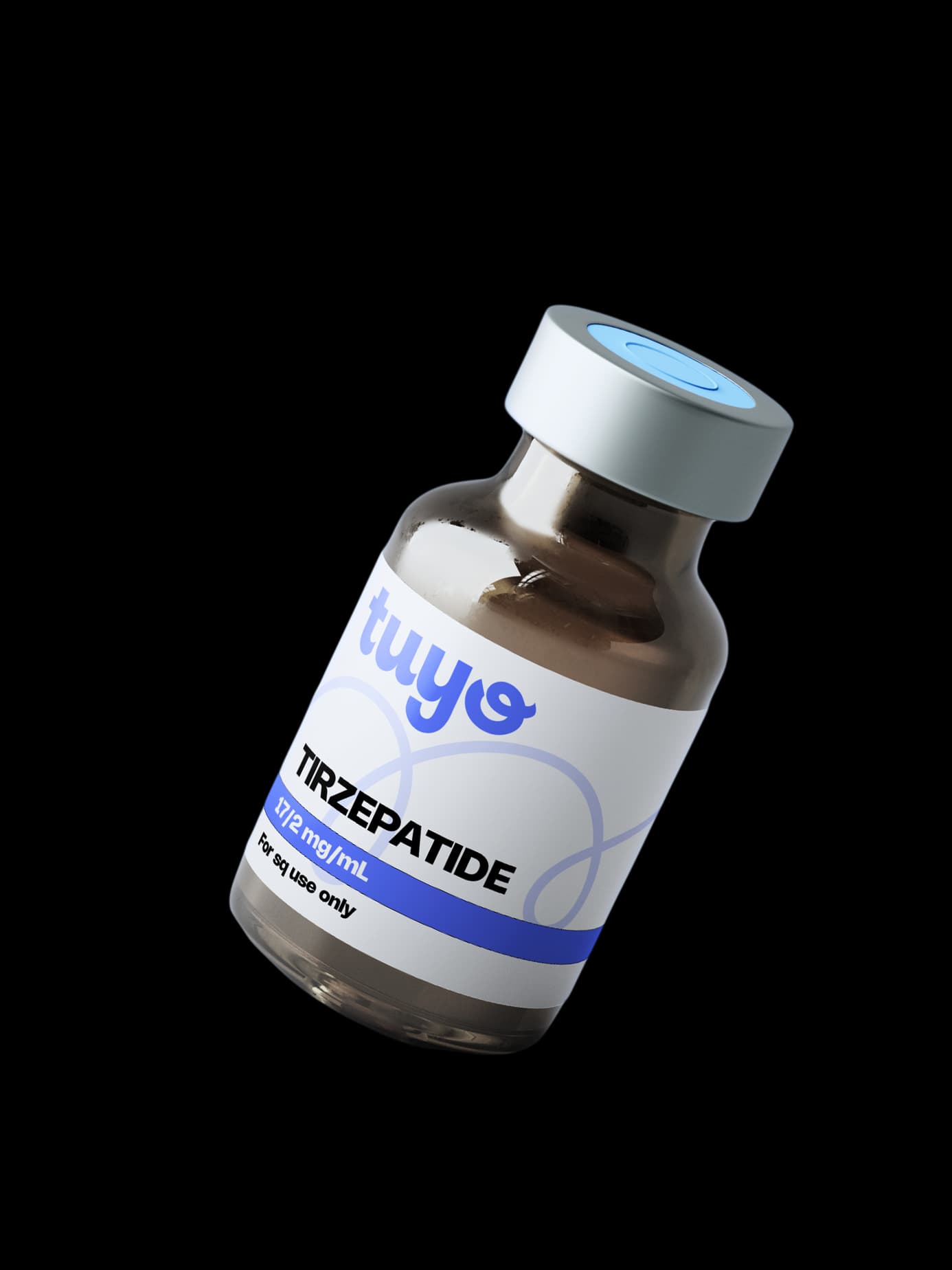
Tirzepatide has been making waves as a revolutionary medication for the treatment of type 2 diabetes and obesity. Combining dual-action mechanisms, this new therapy is transforming how we approach these chronic health conditions. Here’s a closer look at how Tirzepatide works, who might benefit, its potential side effects, and the kind of results you can expect—with evidence-based citations.
What is Tirzepatide and How Does it Work?
Tirzepatide is a novel medication that mimics two natural hormones: glucagon-like peptide-1 (GLP-1) and glucose-dependent insulinotropic polypeptide (GIP). Both play crucial roles in regulating appetite, insulin secretion, and blood sugar control. This dual-action approach provides several benefits:
- Improved Insulin Sensitivity: Tirzepatide enhances the body’s ability to respond to insulin, reducing blood sugar levels effectively (Frias et al., 2021).
- Appetite Regulation: It helps regulate appetite and promotes feelings of fullness, leading to significant weight loss (Jastreboff et al., 2022).
- Glucose Control: By acting on GIP and GLP-1 pathways, Tirzepatide offers superior blood sugar control compared to other medications (Lyon et al., 2022).
Who Might Benefit from Tirzepatide?
Tirzepatide is currently approved for type 2 diabetes and is under investigation for weight management in individuals with obesity or overweight. It may be suitable if you:
- Have type 2 diabetes and struggle with blood sugar control despite other treatments.
- Are overweight or obese and looking for a medication-supported weight loss strategy.
- Have complications such as cardiovascular risk factors or fatty liver disease that can benefit from improved metabolic health.
Common Side Effects of Tirzepatide
While Tirzepatide is highly effective, it can cause side effects. These are usually mild and resolve over time:
- Nausea: The most frequently reported side effect, especially during dose escalation (Frias et al., 2021).
- Diarrhea or Constipation: Gastrointestinal discomfort is common but generally subsides.
- Fatigue: Some individuals report feeling tired, particularly in the early weeks of treatment.
To minimize side effects, patients typically start with a low dose and gradually increase it.
Expected Results
The clinical results for Tirzepatide are groundbreaking:
- Weight Loss: In trials, participants lost an average of 15-22.5% of their body weight, depending on the dosage (Jastreboff et al., 2022).
- Improved Blood Sugar Control: Many patients achieved HbA1c levels below 6.5%, often eliminating the need for additional diabetes medications (Lyon et al., 2022).
- Cardiovascular Benefits: Tirzepatide showed promising improvements in cholesterol levels and blood pressure (Frias et al., 2021).
A Final Word
Tirzepatide represents a significant leap forward in managing type 2 diabetes and obesity. Its dual-action mechanism addresses multiple aspects of metabolic health, offering unprecedented results. However, as with any medication, it works best when combined with lifestyle changes like a balanced diet and regular exercise. If you think Tirzepatide might be right for you, consult your doctor to discuss whether this innovative therapy fits your health goals.
References:
- Frias, J.P., et al. (2021). “Efficacy and Safety of Tirzepatide in Type 2 Diabetes.” New England Journal of Medicine, 385(6), 503-515.
- Jastreboff, A.M., et al. (2022). “Tirzepatide Once Weekly for the Treatment of Obesity.” New England Journal of Medicine, 387(3), 205-216.
- Lyon, M., et al. (2022). “Metabolic Benefits of Tirzepatide in Obesity and Type 2 Diabetes.” Diabetes Research and Clinical Practice, 187, 109983.
Unlock a Healthier Life. Free.
Our monthly Health and Wellness program is ready for you. A unique opportunity to transform your routine at no cost.
By creating an account using email, I agree to the Terms & Services, and acknowledge the Privacy Policy.Continue Reading
The latest handpicked blog articles
Check all articles