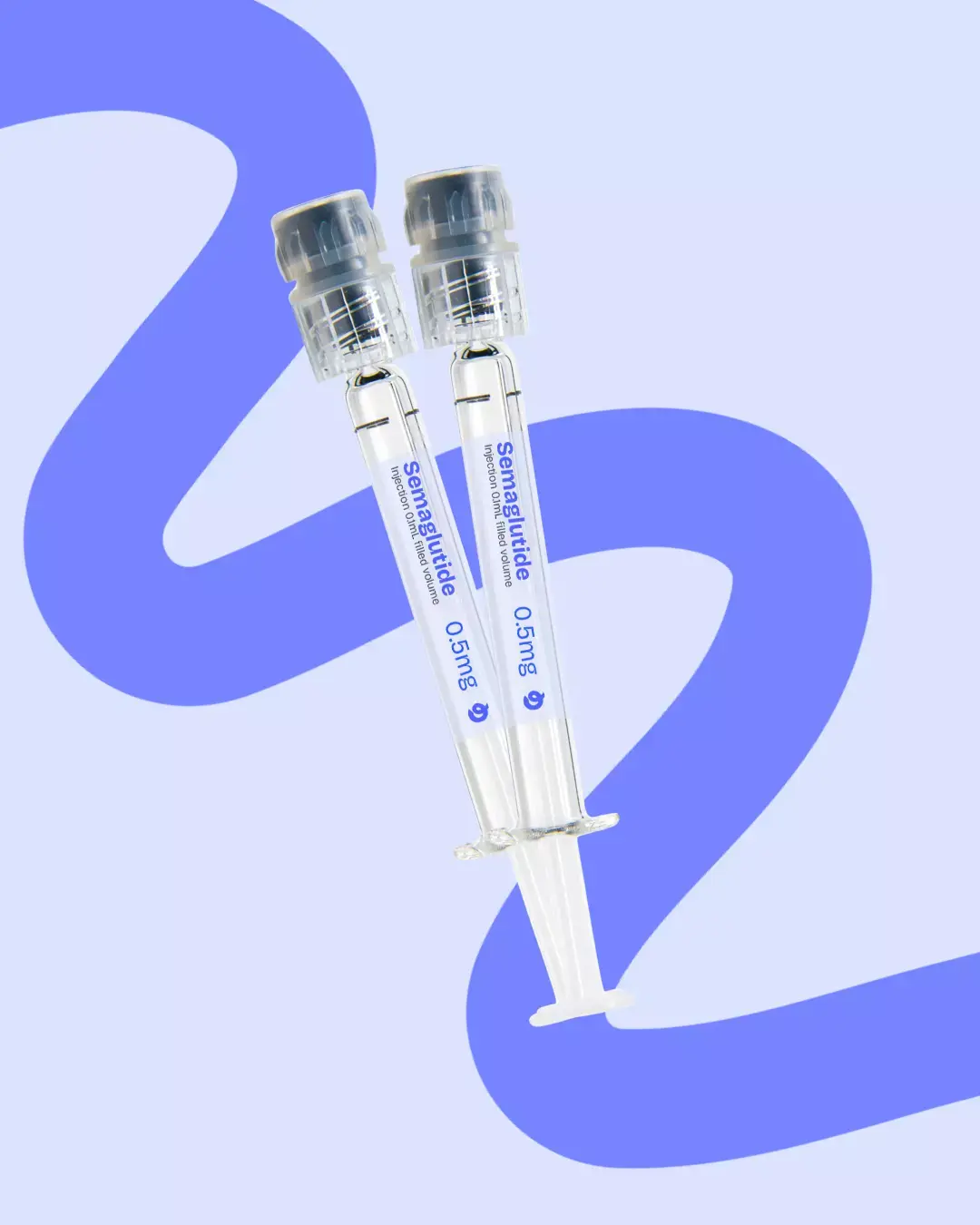
Exploring Semaglutide: A Game-Changing Treatment for Weight Loss and Diabetes


Exploring Semaglutide: A Game-Changing Treatment for Weight Loss and Diabetes
In recent years, "Semaglutide" has become a buzzword in medical circles and beyond. As a doctor, I’ve witnessed how this innovative medication is transforming lives by addressing two of the most pressing health challenges of our time: obesity and type 2 diabetes. Here’s what you need to know about Semaglutide, how it works, who it’s for, potential side effects, and the kind of results you can expect.
What is Semaglutide and How Does it Work?
Semaglutide is a medication classified as a GLP-1 receptor agonist, meaning it mimics the action of a natural hormone called glucagon-like peptide-1. This hormone plays a vital role in regulating appetite, insulin secretion, and blood sugar levels. Semaglutide works in several key ways:
- Appetite Suppression: It reduces hunger and helps you feel full faster by acting on the brain’s appetite regulation centers.
- Blood Sugar Control: Semaglutide slows the rate at which food leaves your stomach, preventing blood sugar spikes after meals and improving overall glucose control (Davies et al., 2021).
- Insulin Support: It enhances the body’s natural insulin response, helping to lower blood sugar levels in those with type 2 diabetes (Marso et al., 2016).
By targeting these pathways, Semaglutide offers a dual benefit of improving metabolic health and supporting weight loss.
Who Can Benefit from Semaglutide?
Semaglutide has been approved for two primary indications: type 2 diabetes and chronic weight management. It may be a good option if you:
- Have type 2 diabetes and need better blood sugar control.
- Are overweight or obese and struggle with weight loss despite making lifestyle changes.
- Have weight-related conditions, such as high blood pressure, elevated cholesterol, or sleep apnea.
- Are seeking a medically supervised approach to sustainable weight loss.
Semaglutide is typically prescribed alongside dietary changes, increased physical activity, and regular health monitoring.
Common Side Effects of Semaglutide
Like any medication, Semaglutide comes with potential side effects. These are generally mild and often improve as your body adjusts. The most common include:
- Nausea: This is the most frequently reported side effect, especially when starting the medication or increasing the dose (Blundell et al., 2017).
- Vomiting or Diarrhea: Some patients experience gastrointestinal discomfort, which usually subsides over time.
- Constipation: A slower digestive process can occasionally lead to constipation.
- Fatigue: Some individuals report feeling tired or low energy, particularly during the initial weeks of treatment.
To minimize side effects, doctors usually start with a low dose of Semaglutide and gradually increase it over time.
What Results Can You Expect?
The results from Semaglutide therapy can be remarkable, both for weight loss and diabetes management. Here’s what you can look forward to:
- Weight Loss: Clinical trials have shown that patients using semaglutide for weight management can lose 10-15% of their body weight over several months (Wilding et al., 2021), with some individuals achieving even greater reductions.
- Improved Blood Sugar Levels: For those with type 2 diabetes, semaglutide significantly lowers HbA1c levels, reducing the need for additional diabetes medications in many cases (Marso et al., 2016).
- Enhanced Metabolic Health: Many users experience improvements in blood pressure, cholesterol levels, and overall cardiovascular risk (Davies et al., 2021).
These outcomes are most pronounced when Semaglutide is combined with a balanced diet, regular exercise, and consistent follow-up with healthcare providers.
What Makes Semaglutide Unique?
Semaglutide stands out for its potency and versatility. Available in both injectable and oral forms, it provides flexibility to fit different patient preferences and lifestyles. Its ability to address both weight and blood sugar simultaneously makes it a powerful option for improving overall health and quality of life.
Final Thoughts
Semaglutide represents a major breakthrough in the treatment of obesity and type 2 diabetes. However, it’s not a stand-alone solution. Success depends on incorporating it into a comprehensive plan that includes healthy eating, regular physical activity, and ongoing medical supervision.
If you think semaglutide might be right for you, talk to your doctor. Together, you can explore whether this innovative therapy aligns with your health goals and how it can help you achieve lasting improvements in your well-being.
References:
- Blundell, J., et al. (2017). “Effects of Semaglutide on Appetite Regulation in Obesity.” Diabetes Care, 40(7), 982-990.
- Davies, M., et al. (2021). “Efficacy and Safety of Semaglutide for Weight Loss in Adults with Overweight or Obesity.” Diabetes Care, 44(3), 650-658.
- Marso, S., et al. (2016). “Semaglutide and Cardiovascular Outcomes in Patients with Type 2 Diabetes.” New England Journal of Medicine, 375(19), 1834-1844.
- Wilding, J., et al. (2021). “Once-Weekly Semaglutide in Adults with Overweight or Obesity.” New England Journal of Medicine, 384(11), 989-1002.
Unlock a Healthier Life. Free.
Our monthly Health and Wellness program is ready for you. A unique opportunity to transform your routine at no cost.
By creating an account using email, I agree to the Terms & Services, and acknowledge the Privacy Policy.Continue Reading
The latest handpicked blog articles
Check all articles