
GLP-1 Patches: What You Need to Know


Introduction
- GLP-1 patches are marketed as a needle-free weight loss option
- Many people wonder if GLP-1 patches work like injectable medications
- Appetite control plays a key role in maintaining a calorie deficit
- This guide explains how GLP-1 patches work and what to realistically expect

What are GLP-1 patches?
GLP-1 patches are transdermal products marketed to support weight loss by delivering ingredients through the skin. They are often promoted as an alternative to injectable GLP-1 medications such as semaglutide.
GLP-1 stands for glucagon-like peptide-1, a hormone that helps regulate:
- Appetite
- Blood sugar levels
- Digestion speed
- Feelings of fullness
Prescription GLP-1 medications work by mimicking this hormone inside the body. GLP-1 patches attempt to influence similar pathways without injections.
Do GLP-1 patches work for weight loss?
This is the most common question surrounding GLP-1 patches.
Currently, there is no strong clinical evidence showing that transdermal GLP-1 patches deliver the same effects as injectable GLP-1 medications. The GLP-1 hormone is a peptide, which makes it difficult to absorb through the skin in meaningful amounts.
Most GLP-1 patches contain combinations of:
- Vitamins
- Amino acids
- Herbal compounds
These ingredients may support metabolism or energy, but they do not replicate the pharmacological effects of prescription GLP-1 therapy.
GLP-1 patches and appetite control
Weight loss depends heavily on appetite regulation.
GLP-1 medications reduce hunger by:
- Slowing gastric emptying
- Increasing satiety signals
- Reducing food cravings
GLP-1 patches may help some users feel more mindful of eating habits, but they do not reliably suppress appetite to the degree needed for significant fat loss on their own.
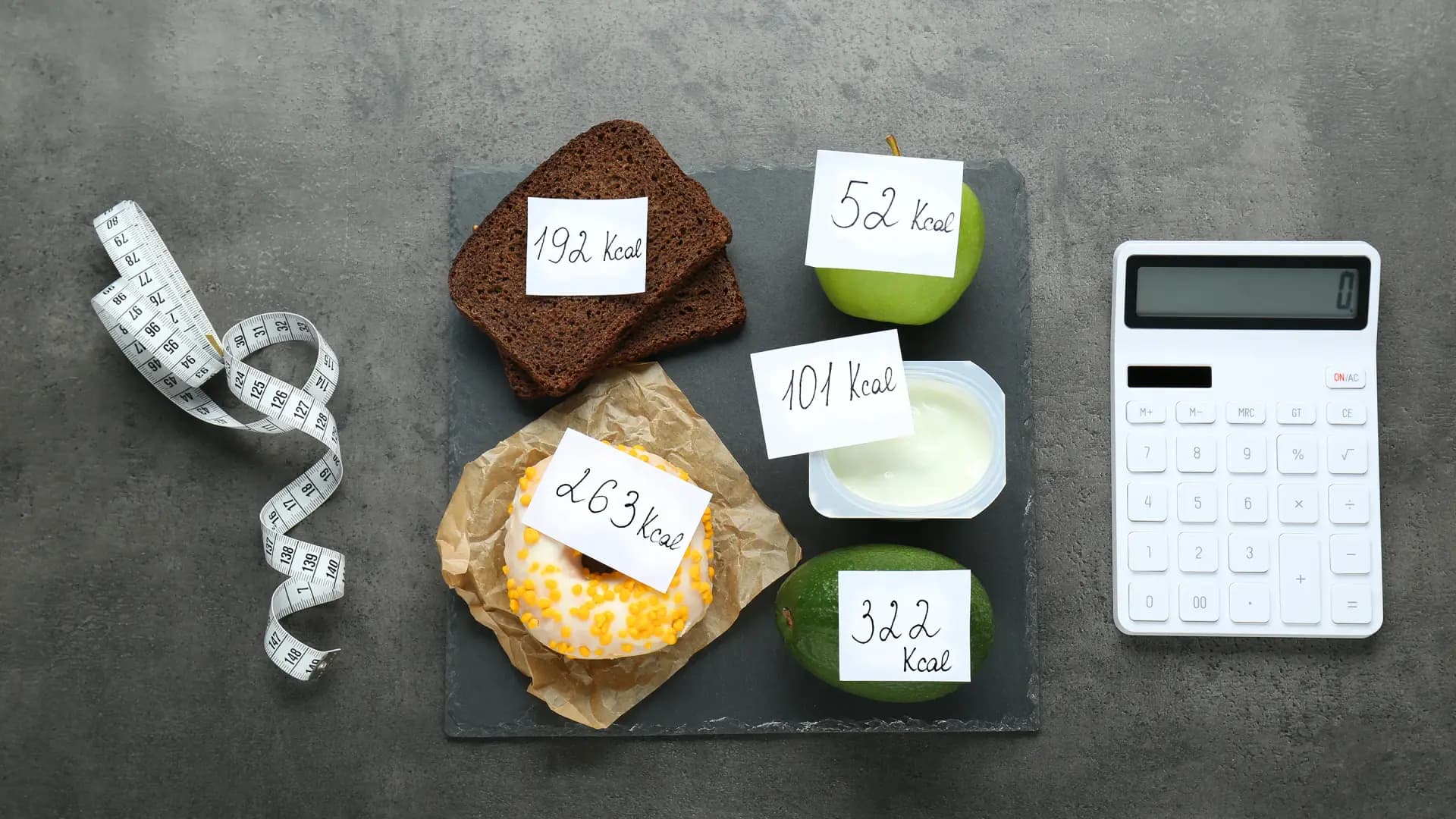
This is why maintaining a calorie deficit remains the foundation of weight loss.
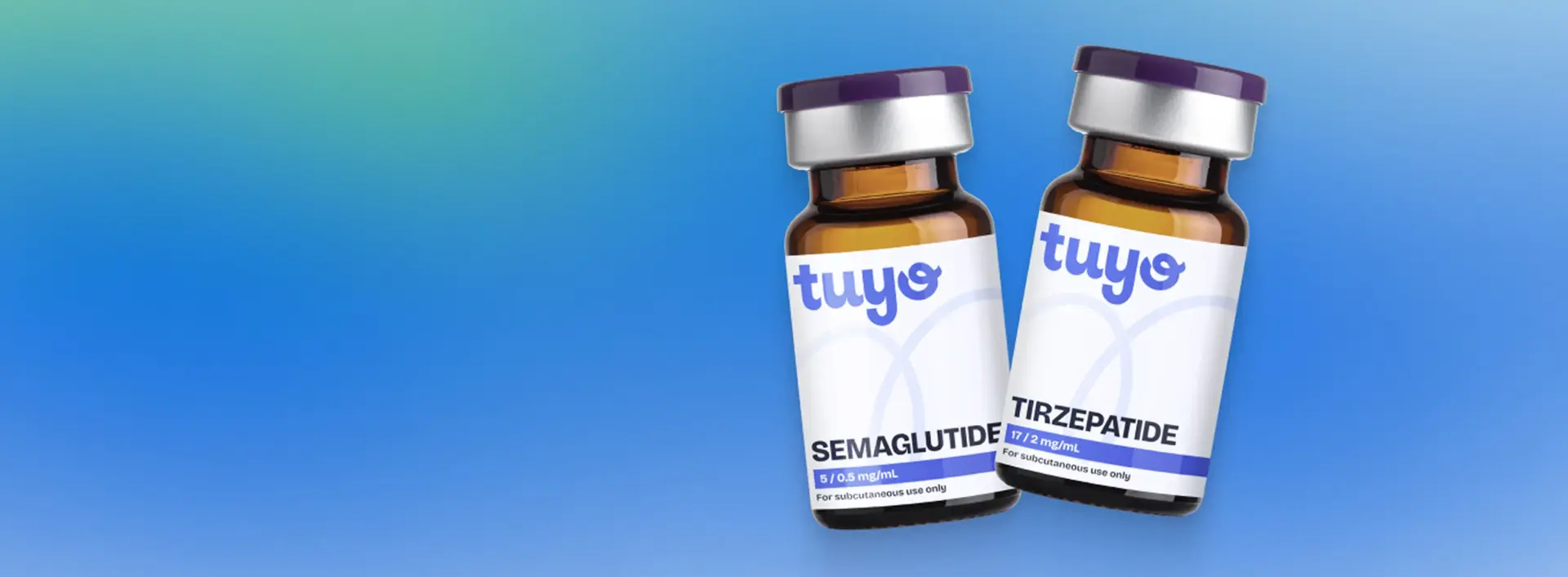
GLP-1 patches vs injectable GLP-1 medications
There are important differences between patches and injections.
Injectable GLP-1 medications:
- Are clinically studied
- Deliver known dosages
- Produce predictable appetite suppression
GLP-1 patches:
- Are not regulated as medications
- Have variable ingredient absorption
- Lack standardized dosing
This does not mean patches are useless, but expectations should remain realistic.
GLP-1 patches reviews and user expectations
Online reviews of GLP-1 patches are mixed.
Some users report:
- Mild appetite awareness
- Increased motivation
- Better consistency with dieting
Others report no noticeable effects.
Results often depend on whether the patch is used alongside structured calorie tracking and lifestyle changes.
Who might consider GLP-1 patches?
GLP-1 patches may appeal to people who:
- Are hesitant about injections
- Want a low-commitment starting point
- Are focused on habit formation
However, individuals with significant weight loss goals may require stronger medical support.
When GLP-1 patches are not enough
If appetite remains difficult to control, GLP-1 patches may not provide adequate support.
In these cases, medical options may be more effective, especially when weight loss stalls despite dietary changes.
GLP-1 medications work best when paired with structured calorie planning and professional guidance.
How GLP-1 patches fit into a weight loss plan
GLP-1 patches should be viewed as a supplemental tool, not a replacement for proven strategies.
A comprehensive plan includes:
- Understanding daily calorie needs
- Maintaining a calorie deficit
- Monitoring progress consistently
- Escalating care when needed

Conclusion
GLP-1 patches offer a non-injectable option that may support weight loss habits, but they do not replace clinically proven GLP-1 medications. Sustainable weight loss still depends on appetite control, calorie management, and individualized care.

Continue Reading
The latest handpicked blog articles
Check all articles