GLP-1 Medications for Weight Loss: Complete Guide

Introduction
GLP-1 receptor agonists represent one of the most effective pharmacological tools available for weight loss. Originally developed to treat type 2 diabetes, these medications have demonstrated remarkable effects on appetite, food intake, and weight reduction. Men and women taking GLP-1 medications often lose 15 to 22 percent of their body weight, compared to 5 to 10 percent with traditional dieting alone.
GLP-1 medications work by mimicking glucagon-like peptide-1, a hormone that regulates hunger, blood sugar, and gastric emptying. By activating GLP-1 receptors in the brain and digestive system, these drugs reduce appetite, increase feelings of fullness, and slow stomach emptying, creating powerful weight loss effects that persist as long as treatment continues.
Understanding the different GLP-1 options, their mechanisms, costs, side effects, and suitability for your situation is essential for making informed treatment decisions. This guide explores every major GLP-1 medication, explains how they work, and clarifies who benefits most from this treatment class.
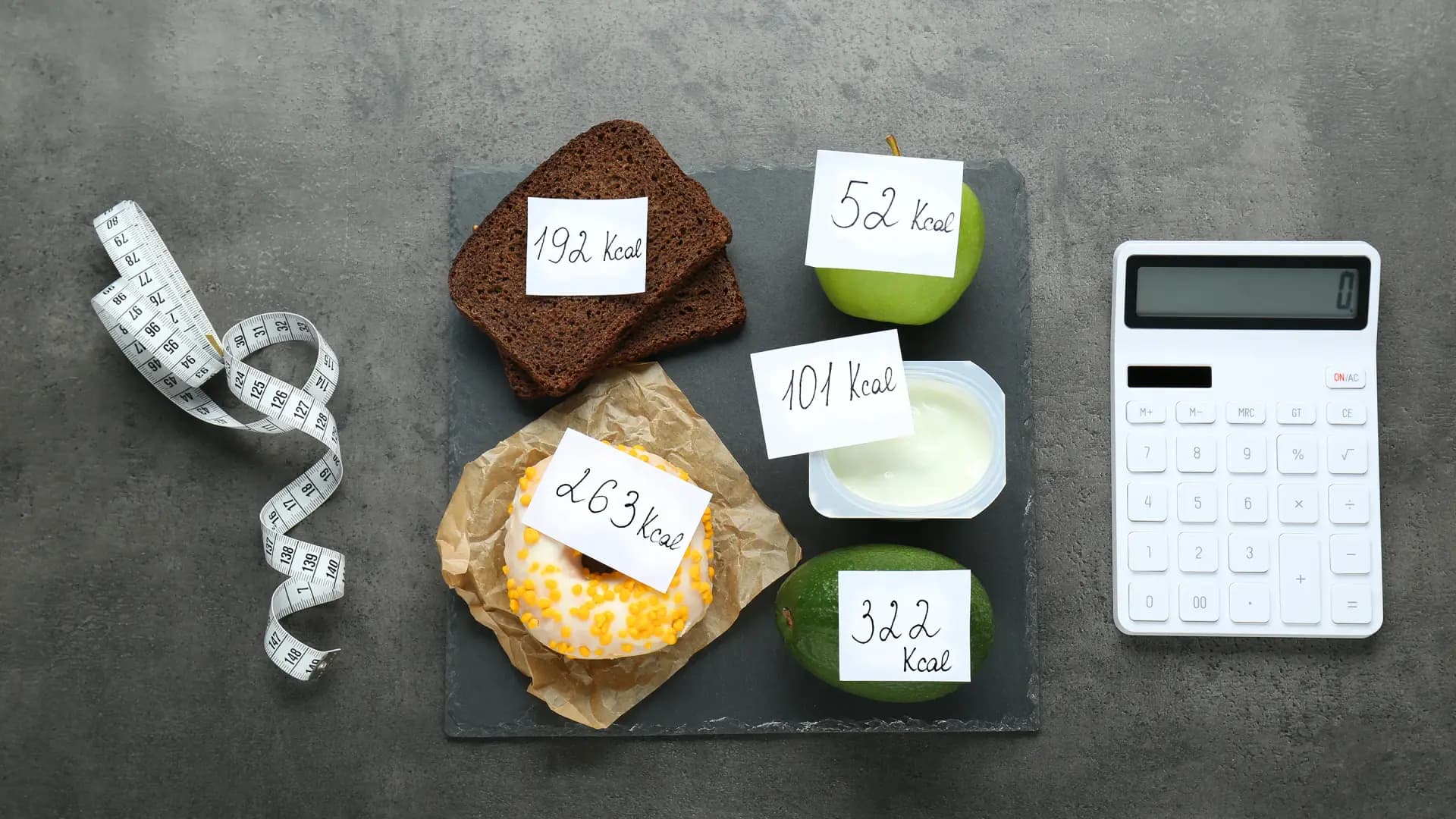
Important to understand: GLP-1 medications support but do not replace calorie deficit. These drugs make eating less easier through appetite suppression, but they are most effective when combined with behavioral changes and lifestyle improvements.
Quick Answers:
- What are GLP-1 medications and how do they work? GLP-1 receptor agonists are injectable medications that mimic a natural hormone regulating hunger and blood sugar. They reduce appetite, slow gastric emptying, and increase fullness, creating sustained weight loss when combined with calorie deficit.
- What is the difference between Ozempic and Wegovy? Both contain semaglutide, the same active medication, but Wegovy is specifically approved and dosed for weight loss while Ozempic is approved for diabetes. Wegovy uses higher doses and is marketed specifically for weight loss.
- What side effects do GLP-1 medications cause? Common side effects include nausea, vomiting, diarrhea, and constipation, usually mild and temporary. Rarely, patients experience pancreatitis or thyroid concerns. Most side effects diminish with continued use.
- How much weight will I lose on GLP-1 medications? Average weight loss ranges from 15 to 22 percent of body weight, with some patients losing more. Results depend on baseline weight, dosage, behavioral changes, and individual factors.
- How much do GLP-1 medications cost? Prices range from $150 to $1,200 monthly depending on the specific medication and formulation. Compounded versions are often more affordable. Insurance coverage varies widely.

How GLP-1 Medications Work: The Science
GLP-1 receptor agonists activate receptors throughout your body, with significant effects in the brain's appetite centers. The medication enhances signals of fullness and satiety while reducing hunger signals. This dual effect makes it dramatically easier to eat less and feel satisfied with smaller portions.
Simultaneously, GLP-1 medications slow gastric emptying, the rate at which your stomach releases food into the small intestine. This slowed digestion extends feelings of fullness and prevents the rapid blood sugar spikes that trigger hunger cycles. The drug also improves insulin sensitivity, helping your body manage blood glucose more efficiently.
In the brain, GLP-1 activation affects multiple appetite-regulating centers, changing your relationship with food at a neurological level. Patients consistently report reduced food cravings, decreased interest in previously enjoyed foods, and altered perception of food reward. These changes persist as long as treatment continues.
For men and women with obesity, particularly those with concurrent metabolic dysfunction, GLP-1 medications address underlying biological mechanisms rather than requiring willpower alone. The medication lowers your setpoint for hunger, making calorie restriction sustainable rather than constantly battling biological drives.
Critically, GLP-1 medications do not do the work themselves. They make calorie deficit achievable by reducing hunger and increasing satiety. Without reducing intake below caloric needs, no weight loss occurs. The medication works with behavioral change rather than replacing it.
FDA-Approved GLP-1 Options: Comparing Semaglutide and Tirzepatide
Semaglutide appears under two brand names: Ozempic, approved for diabetes but used off-label for weight loss, and Wegovy, approved specifically for weight loss in individuals with obesity or overweight with concurrent weight-related conditions. Both medications contain identical active drug, but Wegovy uses higher dosing designed for weight loss. Wegovy is the appropriate choice for weight loss treatment.
Tirzepatide, marketed as Mounjaro for diabetes and Zepbound for weight loss, activates both GLP-1 and GIP receptors. The dual-receptor mechanism produces slightly greater weight loss than semaglutide alone, with some patients achieving 22 to 25 percent weight reduction. Tirzepatide appears slightly more effective than semaglutide, though the difference is modest.
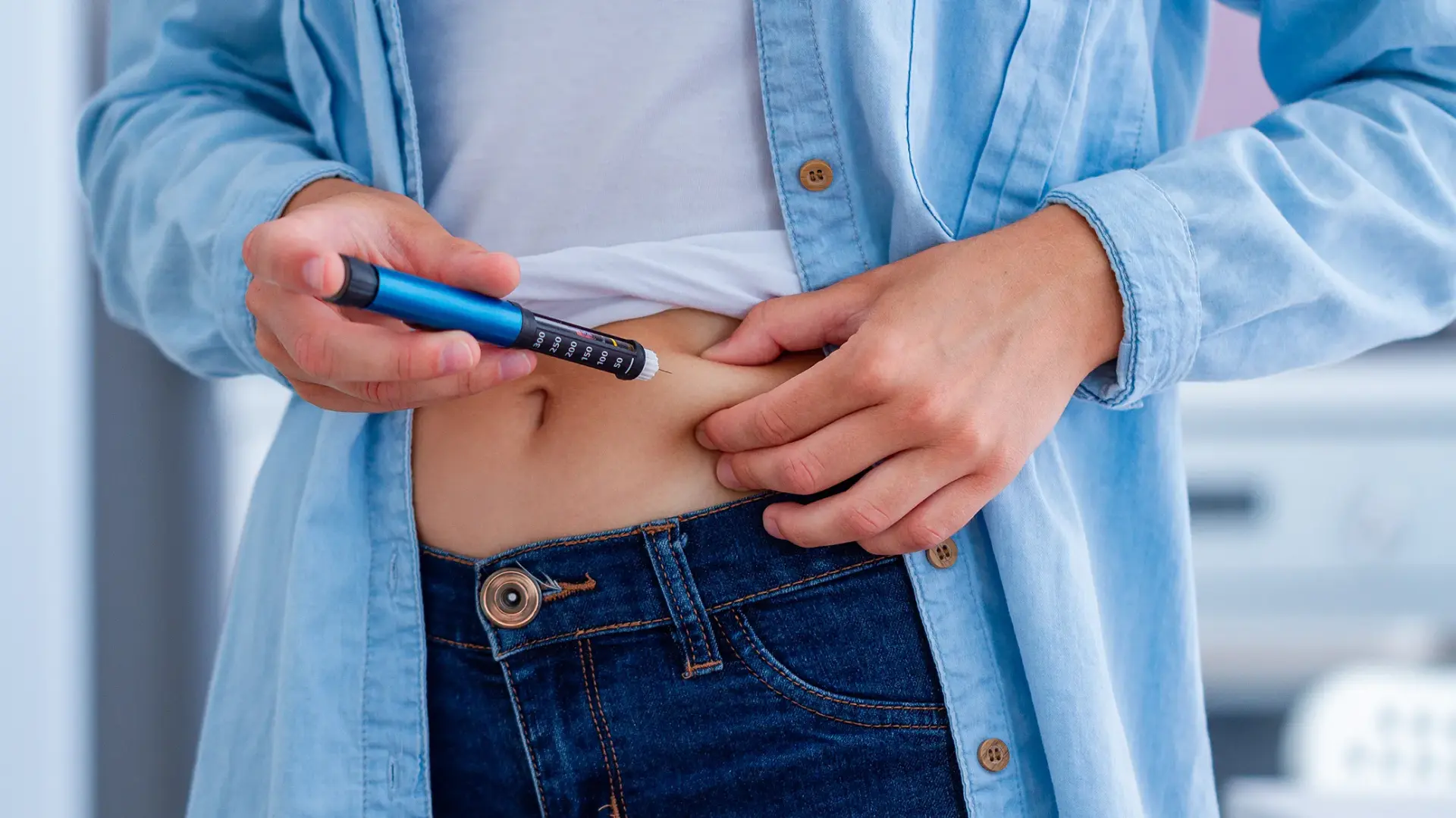
Both medications require weekly injections administered at home. Both show similar side effect profiles and similar contraindications. Choosing between them often depends on individual response, cost, insurance coverage, and personal preference. Many clinicians start with semaglutide due to longer market history and familiarity, then switch to tirzepatide if response is inadequate.
Compounded semaglutide and tirzepatide offer more affordable alternatives to branded versions. These medications contain identical active pharmaceutical ingredients but cost substantially less, typically 40 to 60 percent cheaper than brand-name formulations. Quality varies with compounding pharmacy, making pharmacy selection important.


Dosing, Side Effects, and Patient Selection
GLP-1 medications begin at low doses and increase gradually over weeks, typically escalating every one to two weeks. This titration approach allows your body to adapt, significantly reducing nausea and other early side effects. Standard dosing progresses from 0.25 milligrams weekly up to 2.4 milligrams weekly for semaglutide, with similar titration for tirzepatide.
Common side effects include nausea, vomiting, diarrhea, constipation, and fatigue, most pronounced in the first four to six weeks. Side effects diminish substantially as your body adapts. Taking medication with food, staying hydrated, and using slower dose escalation help minimize discomfort.
Rare but serious side effects include acute pancreatitis, cholecystitis, and thyroid concerns. Patients with personal or family history of medullary thyroid cancer cannot use GLP-1 medications. Those with history of pancreatitis or gallbladder disease require careful monitoring. Dehydration management is important, as these medications can cause dehydration.
Ideal candidates for GLP-1 medications include individuals with body mass index over 30, or over 27 with weight-related health conditions such as hypertension, diabetes, or sleep apnea. However, physicians increasingly prescribe these medications across a broader range of patients recognizing their effectiveness and relative safety.
Cost represents a significant barrier. Semaglutide costs roughly $900 to $1,200 monthly at brand pharmacies, though many insurance plans cover it for diabetes treatment. Wegovy typically costs $1,400 monthly without insurance. Compounded versions cost 40 to 60 percent less. Cost is a legitimate factor in treatment selection and discussion with your clinician.
Building Sustainable Results: Medication With Behavioral Change
GLP-1 medications are most effective when combined with behavioral modification. The appetite suppression makes behavioral changes achievable, but medication alone cannot produce permanent weight loss. As soon as someone discontinues the medication, appetite returns to baseline, and weight regain begins.
Creating sustainable results requires establishing better food choices, regular physical activity, and improved eating patterns while on medication. This behavioral foundation persists even if medication is eventually discontinued. Men and women who combine GLP-1 treatment with structured dietary guidance and exercise typically maintain 50 to 70 percent of their weight loss long-term.
Calorie deficit remains essential. A calorie deficit calculator helps determine your specific needs based on your body composition, activity level, and goals. Combine this with your GLP-1 medication's appetite suppression, and sustainable weight loss becomes achievable.
Medical monitoring during GLP-1 treatment matters. Regular check-ins with your clinician assess weight progress, adjust dosing, and monitor for side effects or complications. Continuity of care helps optimize outcomes.

Conclusion
GLP-1 medications represent a powerful option for weight loss, with evidence supporting 15 to 22 percent weight reduction when combined with behavioral changes. Semaglutide and tirzepatide both demonstrate effectiveness, with tirzepatide showing slightly greater weight loss. Compounded versions offer cost-effective alternatives when affordability is a barrier.
These medications work by reducing appetite and increasing satiety, making calorie deficit sustainable rather than a constant struggle against hunger. However, GLP-1 drugs support weight loss through appetite suppression; they do not eliminate the need for reduced calorie intake or behavioral change.
The most effective approach combines GLP-1 medication with structured nutrition, regular exercise, and sustainable lifestyle modifications. This integrated strategy produces the greatest weight loss and the best long-term maintenance when medication is eventually discontinued.

Continue Reading
The latest handpicked blog articles
Check all articles