
Calorie Deficit Calculator: How to Calculate Calories for Weight Loss


Introduction
- A calorie deficit is the foundation of weight loss
- Many people underestimate or overestimate their calorie needs
- A calorie deficit calculator helps personalize weight loss targets
- This guide explains how to calculate a deficit and how it connects to TDEE

What is a calorie deficit?
A calorie deficit occurs when you consume fewer calories than your body burns in a day.
Your daily calorie burn includes:
- Resting metabolism
- Physical activity
- Exercise
- Digestion
When intake is lower than expenditure, your body uses stored energy, primarily fat, which leads to weight loss over time.
A healthy calorie deficit is intentional and controlled. Extreme deficits can slow metabolism, increase fatigue, and reduce adherence.
How a calorie deficit calculator works
A calorie deficit calculator starts by estimating how many calories your body needs to maintain its current weight.
This is calculated using your Total Daily Energy Expenditure, or TDEE.
TDEE accounts for:
- Basal metabolic rate
- Daily movement
- Exercise activity
Once your TDEE is established, the calculator subtracts calories to create a deficit.
Example:
- TDEE: 2,400 calories
- Deficit: 500 calories
- Target intake: 1,900 calories per day
This method ensures weight loss is based on your actual energy needs rather than guesswork.
Calorie deficit for weight loss explained
Weight loss happens when the body consistently uses fat for energy.
A common guideline:
- About 3,500 calories equals one pound of fat
- A 500 calorie daily deficit may result in roughly one pound of weight loss per week
However, real-world results depend on:
- Metabolism
- Hormonal health
- Muscle mass
- Consistency
This is why pairing a calorie deficit calculator with a TDEE calculator produces more accurate and sustainable results.
How many calories to eat to lose weight
There is no universal calorie number that works for everyone.
Typical deficit ranges:
- Mild deficit: 200–300 calories
- Moderate deficit: 400–600 calories
- Aggressive deficit: 700 or more calories
A moderate deficit is generally the most sustainable and least disruptive to hormones and energy levels.
Eating too little can:
- Slow metabolic rate
- Increase hunger
- Reduce workout performance
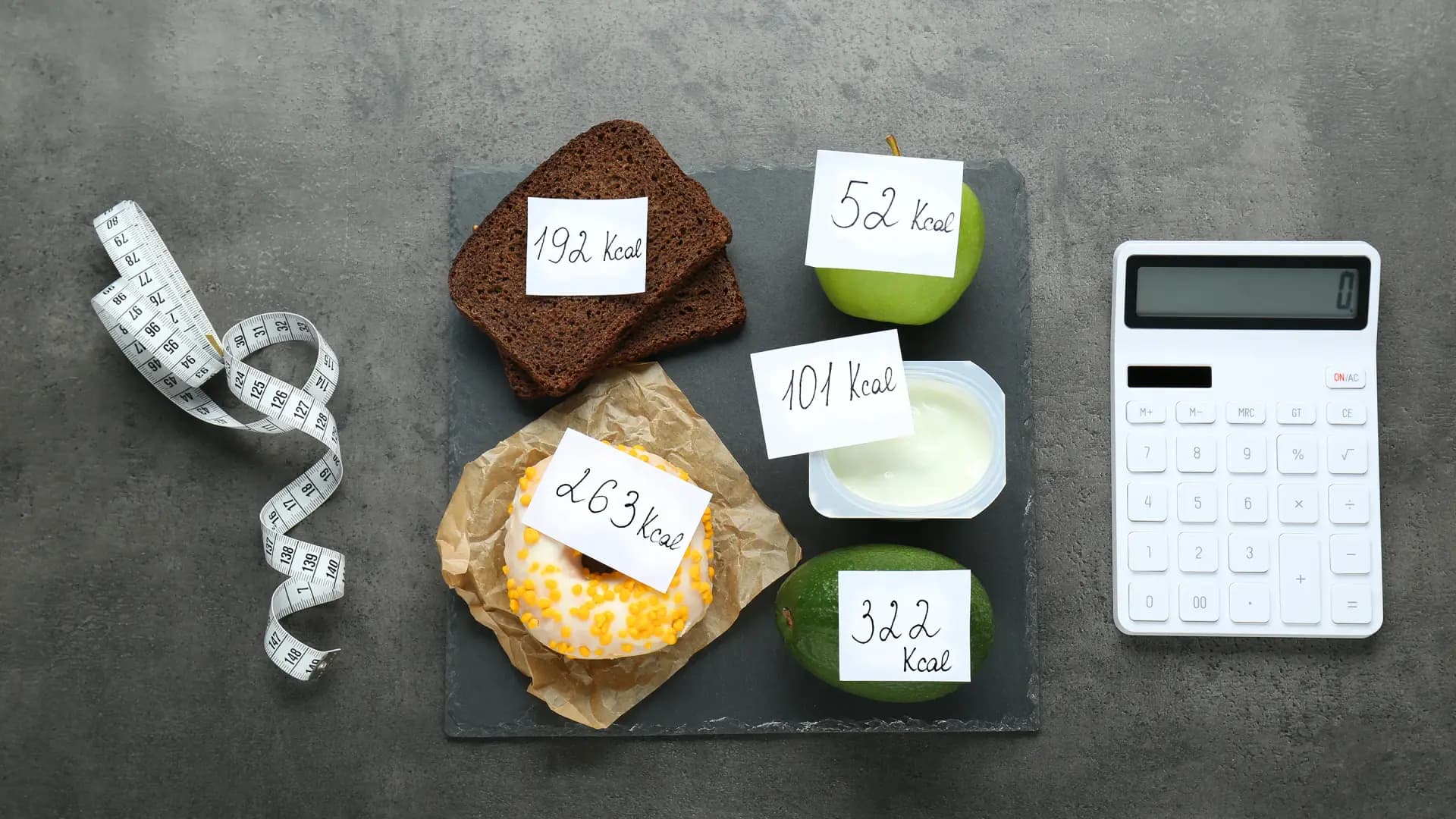

Why calorie deficit and TDEE calculators work best together
A calorie deficit calculator shows how many calories to eat, but it depends on an accurate TDEE.
Using both tools together helps:
- Avoid under-eating or over-eating
- Adjust calories as activity levels change
- Create realistic long-term goals
TDEE provides the baseline, while the calorie deficit defines the strategy.
This relationship makes the calorie deficit calculator the natural hub of a weight loss calculator cluster.
Common mistakes when calculating a calorie deficit
Many people struggle with results due to errors such as:
- Overestimating activity level
- Ignoring liquid calories
- Changing calorie targets too often
- Expecting linear weekly weight loss
Short plateaus are normal and do not mean the calculator is wrong.
When a calorie deficit may not work
Sometimes weight loss stalls even when calories are reduced.
Possible causes include:
- Hormonal imbalances
- Poor sleep
- High stress
- Inaccurate tracking
In these cases, focusing on calories alone may not address the root problem.
Using a calorie deficit calculator as part of a health plan
The best results occur when a calorie deficit is combined with:
- Adequate protein intake
- Strength training
- Sleep optimization
- Stress management
Digital health platforms can help monitor trends and adjust targets over time.

Conclusion
A calorie deficit calculator is the foundation of effective weight loss. When paired with a TDEE calculator, it provides clarity, precision, and sustainable results.

Continue Reading
The latest handpicked blog articles
Check all articles