Turmeric Benefits Sexually: What Research Says


- Turmeric has been used in traditional medicine for thousands of years, but researchers are now studying its active compound, curcumin, for measurable effects on sexual health. Here is what the current evidence actually shows:
- Curcumin is a potent antioxidant and anti-inflammatory compound that supports blood vessel function, which is directly tied to sexual performance
- Several studies suggest turmeric may support testosterone levels and reduce the chronic inflammation that suppresses sex drive
- Turmeric for libido shows early promise, particularly for men dealing with vascular or stress-related sexual concerns
- This article reviews what science says about turmeric benefits sexually, with practical guidance on how to use it effectively
Quick answers:
- Does turmeric improve sexual performance? It supports blood flow and reduces inflammation, both of which benefit sexual function
- Can turmeric increase testosterone? Early research suggests it may, by reducing inflammation and inhibiting aromatase activity
- How should you take turmeric for sexual health? Always pair it with black pepper (piperine) and a fat source to maximize absorption
- Is turmeric effective for erectile dysfunction? It is not a clinical treatment, but its vascular effects may offer supportive benefits over time
- How long does turmeric take to work? Benefits are gradual and cumulative, not immediate
What Is Curcumin and Why Does It Matter for Sexual Health
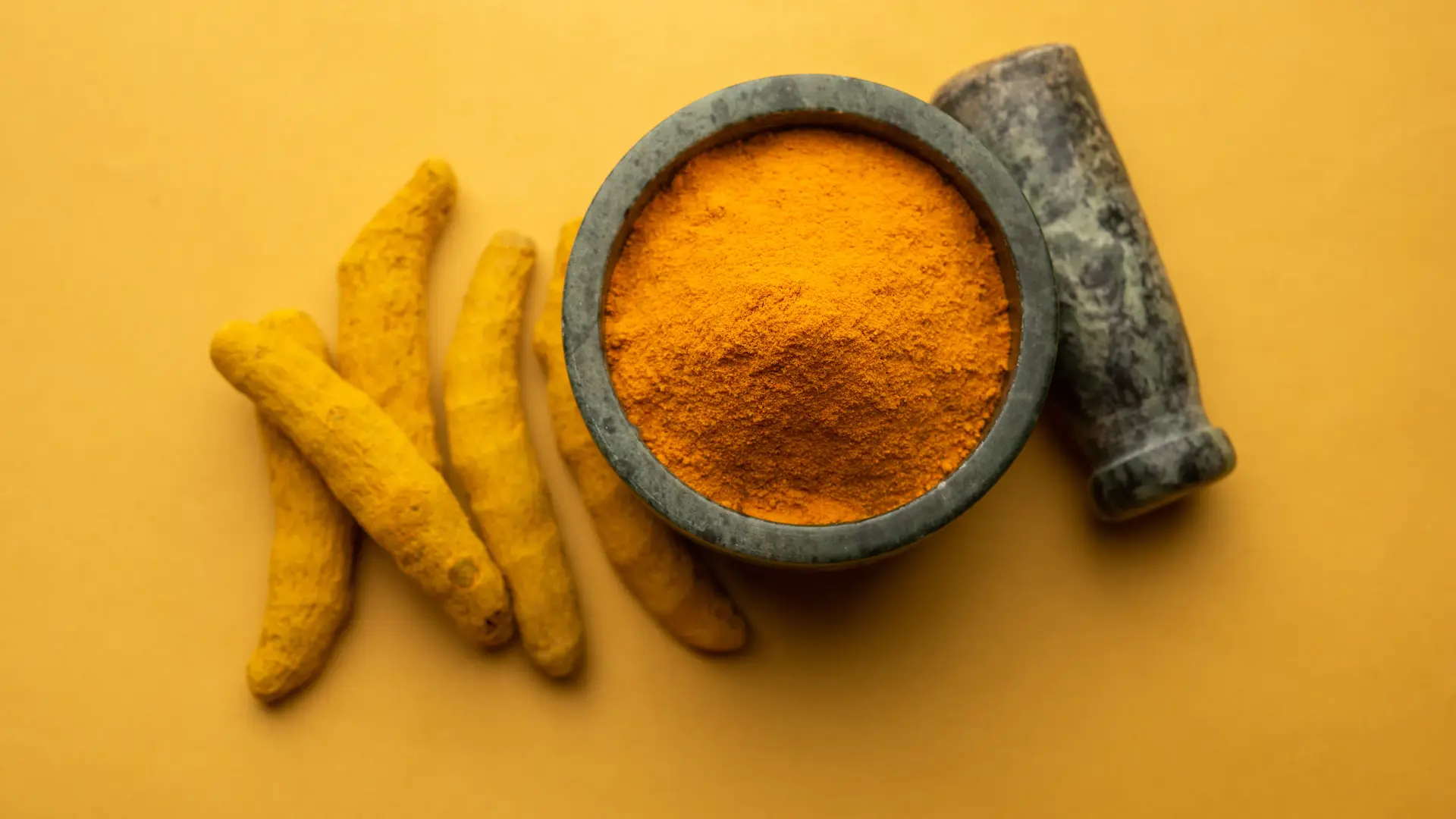
Turmeric (Curcuma longa) is a root spice with a well-documented pharmacological profile. Its most studied compound, curcumin, is a polyphenol with anti-inflammatory, antioxidant, and vasodilatory properties, all of which have direct relevance to how the body performs sexually.
Sexual performance depends heavily on blood flow. Curcumin has been shown in peer-reviewed research to improve endothelial function, meaning the health of cells lining blood vessels. Better endothelial function leads to improved nitric oxide production, which relaxes blood vessel walls and increases circulation to sexual organs. This is the same fundamental pathway that PDE5 inhibitors like sildenafil target, though curcumin works through different mechanisms and at considerably lower intensity.
For men specifically, impaired circulation is one of the most common contributors to erectile difficulties. While turmeric is not a clinical replacement for proven ED treatments, its circulatory effects give it a legitimate place in conversations about natural sexual health support.
Turmeric and Testosterone Levels
The relationship between turmeric and testosterone has been examined in several studies, with generally encouraging findings. A 2013 study in Andrologia found that curcumin supplementation produced measurable increases in testosterone levels in male subjects. Human trials focused specifically on this outcome remain limited, but the existing data points toward a supportive role.
Curcumin's anti-inflammatory properties are central to this effect. Chronic low-grade inflammation is a documented suppressor of testosterone production in men. By reducing systemic inflammation, curcumin may create conditions more favorable for testosterone synthesis. Additionally, curcumin shows some capacity to inhibit aromatase, an enzyme that converts testosterone into estrogen. Reducing this conversion may help maintain higher free testosterone levels over time.
These findings are promising but not yet definitive for human clinical application. Anyone experiencing significant testosterone concerns should consult a clinician rather than relying on dietary supplementation alone.
Turmeric and Libido: The Connection to Stress and Oxidative Damage
Libido is regulated by hormonal balance, psychological state, and physical health simultaneously. Turmeric's mechanisms interact with several of these pathways at once.
Beyond its effects on testosterone, curcumin has been studied for its influence on mood and stress regulation. Chronic stress drives elevated cortisol levels, which directly suppresses sex drive and interferes with the hormonal signaling needed for arousal. Research suggests curcumin may help moderate cortisol and support serotonin and dopamine activity, both of which contribute meaningfully to desire and mood.
Oxidative stress is another factor that gradually diminishes libido over time. Curcumin is one of the more thoroughly studied natural antioxidants available, and reducing oxidative cellular damage may help preserve sexual function as men age.
One important practical note: raw turmeric powder has poor bioavailability on its own. Curcumin is fat-soluble and absorbs poorly without assistance. Consuming it alongside black pepper, which contains piperine, increases curcumin absorption by up to 2,000% according to published pharmacokinetic data. This is not a minor detail. It is the difference between getting a measurable effect or none at all.
Turmeric for Erectile Dysfunction: What the Research Shows
The connection between turmeric and erectile dysfunction centers on its vascular and anti-inflammatory mechanisms. ED in men over 40 frequently has a vascular component: oxidative stress and inflammation damage the blood vessels responsible for erections. Curcumin's ability to reduce vascular inflammation and neutralize free radicals may provide a protective benefit over time.
One study published in the International Journal of Impotence Research investigated curcumin's effects in a hypertensive animal model, since high blood pressure is among the most common vascular contributors to ED. Results showed meaningful improvement in erectile function markers compared to control groups. Animal models do not translate directly to humans, but the mechanistic rationale is consistent with what curcumin is known to do in vascular tissue.
For men already managing diagnosed ED, turmeric is not a primary treatment. Medical-grade interventions remain substantially more effective for clinical ED. However, as a dietary component supporting vascular health and reducing inflammation, turmeric fits within a natural ED-supportive lifestyle.
How to Use Turmeric for Sexual Health Benefits
Getting meaningful curcumin intake does not require expensive supplements, though standardized supplements do offer more consistent dosing. Practical ways to incorporate turmeric effectively:
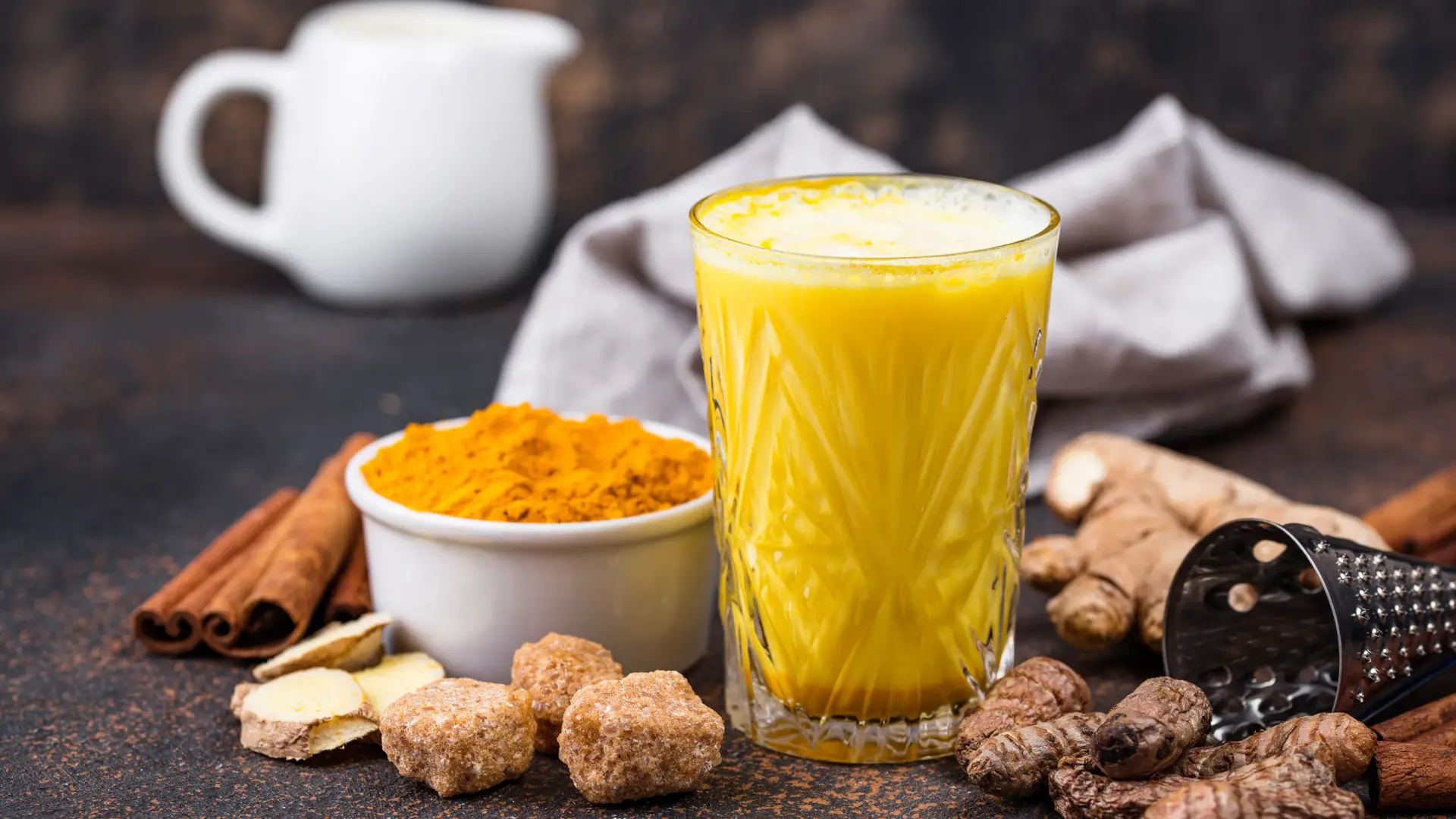
Adding turmeric to cooking alongside black pepper and a fat source such as olive oil, coconut oil, or avocado addresses the bioavailability issue naturally. Golden milk, a warm blend of turmeric, black pepper, and a fat, is a traditional preparation that has sound pharmacological reasoning behind it. For supplementation, the research-supported range is typically 500 to 1,000mg of curcumin daily with piperine included in the formulation.
Results are gradual. Turmeric is not a fast-acting compound and should not be approached that way. Its benefits are cumulative and best understood in the context of overall dietary and lifestyle patterns rather than as an isolated intervention.
For men looking at a broader natural approach to sexual health, turmeric fits well alongside other evidence-supported options. Like ginger and cloves, its effects are real but modest, and work best as part of a consistent, health-focused routine.

Turmeric benefits sexually through several overlapping pathways: improved circulation, reduced inflammation, potential testosterone support, and cortisol regulation. None of these effects are dramatic in isolation, but together they make turmeric a credible dietary addition for men who want to support sexual health naturally.
The key is consistent use with proper absorption. Curcumin taken without black pepper and a fat source delivers very little benefit. When consumed correctly, and as part of a broader health-focused approach, the evidence supports turmeric as a useful tool, not a solution on its own, but a meaningful complement to other natural and medical options.
For men dealing with more significant sexual health concerns, the right step is speaking with a clinician who can assess the full picture and recommend treatment accordingly.

Continue Reading
The latest handpicked blog articles
Check all articles