Tamarind Benefits Sexually: What to Know

Tamarind, the tangy fruit from the tamarind tree native to Africa, has been valued for centuries in Ayurvedic medicine and West African traditional healing practices as a libido enhancer and sexual tonic. This tropical fruit offers more than historical reputation, containing a diverse nutrient profile that genuinely supports sexual health and male vitality. Rich in B vitamins, minerals including zinc and magnesium, and powerful antioxidants, tamarind presents an intriguing option for men exploring natural approaches to sexual wellness. Understanding tamarind's nutritional composition and its traditional uses can help you appreciate whether this food might benefit your sexual health and overall wellbeing.
Quick Answers:
- What nutrients in tamarind support sexual health? Tamarind contains B vitamins especially thiamine for nerve function, magnesium for testosterone and energy, zinc for fertility, potassium for circulation, and antioxidants for vascular health.
- How does tamarind improve libido? Through its mineral content that supports hormonal health, antioxidants that improve blood flow, and traditional reputation that may influence sexual desire.
- Is tamarind effective for erectile dysfunction? Tamarind's vascular and hormonal supporting properties may contribute to better erectile function, though evidence is modest and more research is needed.
- How do you use tamarind for sexual benefits? Tamarind paste, juice concentrate, whole pods, and supplements all provide different forms, each with varying convenience and concentration levels.
- How long does tamarind take to show sexual benefits? Like most nutritional interventions, consistent consumption for at least four to eight weeks is typically needed before noticing improvements.

Tamarind's Nutrient Profile and Sexual Health Support
Tamarind stands out as a nutrient-dense food with a unique combination of compounds relevant to sexual health. The fruit contains substantial amounts of thiamine, also known as vitamin B1, which plays a critical role in nerve function and the transmission of sexual signals throughout the nervous system. Adequate thiamine supports sexual sensation and responsiveness, contributing to sexual pleasure and satisfaction.
Magnesium, abundant in tamarind, serves multiple functions supporting sexual health. This mineral is essential for testosterone synthesis and regulation, directly impacting sexual desire and function. Additionally, magnesium reduces muscle tension and supports energy production, both factors that influence sexual capacity and satisfaction. Studies examining magnesium status consistently show correlations between adequate magnesium and healthy testosterone levels in men.
Tamarind also provides meaningful quantities of zinc, a mineral fundamental to sperm production, motility, and testosterone formation. Potassium in tamarind supports healthy blood pressure and vascular function, important for blood flow during sexual arousal. Beyond individual nutrients, tamarind contains powerful antioxidants including tartaric acid and flavonoids. These compounds combat oxidative stress, which can impair sexual function at the cellular level. Chronic oxidative stress damages endothelial tissue, reducing nitric oxide production and compromising erectile function.
Traditional Use in Ayurvedic and African Medicine
The historical use of tamarind in traditional medicine systems provides valuable context for understanding its potential sexual health benefits. In Ayurvedic medicine, tamarind has been incorporated into sexual wellness remedies for thousands of years, valued for its ability to support vitality, strength, and sexual function. Traditional practitioners recognized that tamarind possessed properties that could enhance sexual desire and performance, knowledge developed through centuries of observation and use.
In West African traditional medicine, tamarind similarly held a place as a sexual tonic and fertility enhancer. The fruit was used in various preparations intended to support male virility and reproductive health. These traditional uses across geographically distant cultures suggest that tamarind possesses genuine properties worth investigating, rather than existing solely as folklore. Modern science confirms that many traditionally-used foods do indeed contain compounds supporting the effects that traditional knowledge attributed to them.
The anti-inflammatory properties of tamarind are particularly relevant for sexual health. Inflammation undermines sexual function by damaging blood vessels, reducing nitric oxide production, and impairing nerve function. Tamarind's antioxidants reduce systemic inflammation, supporting healthier blood vessels and better vascular function throughout your body, which benefits sexual performance.


Forms of Tamarind and Practical Application
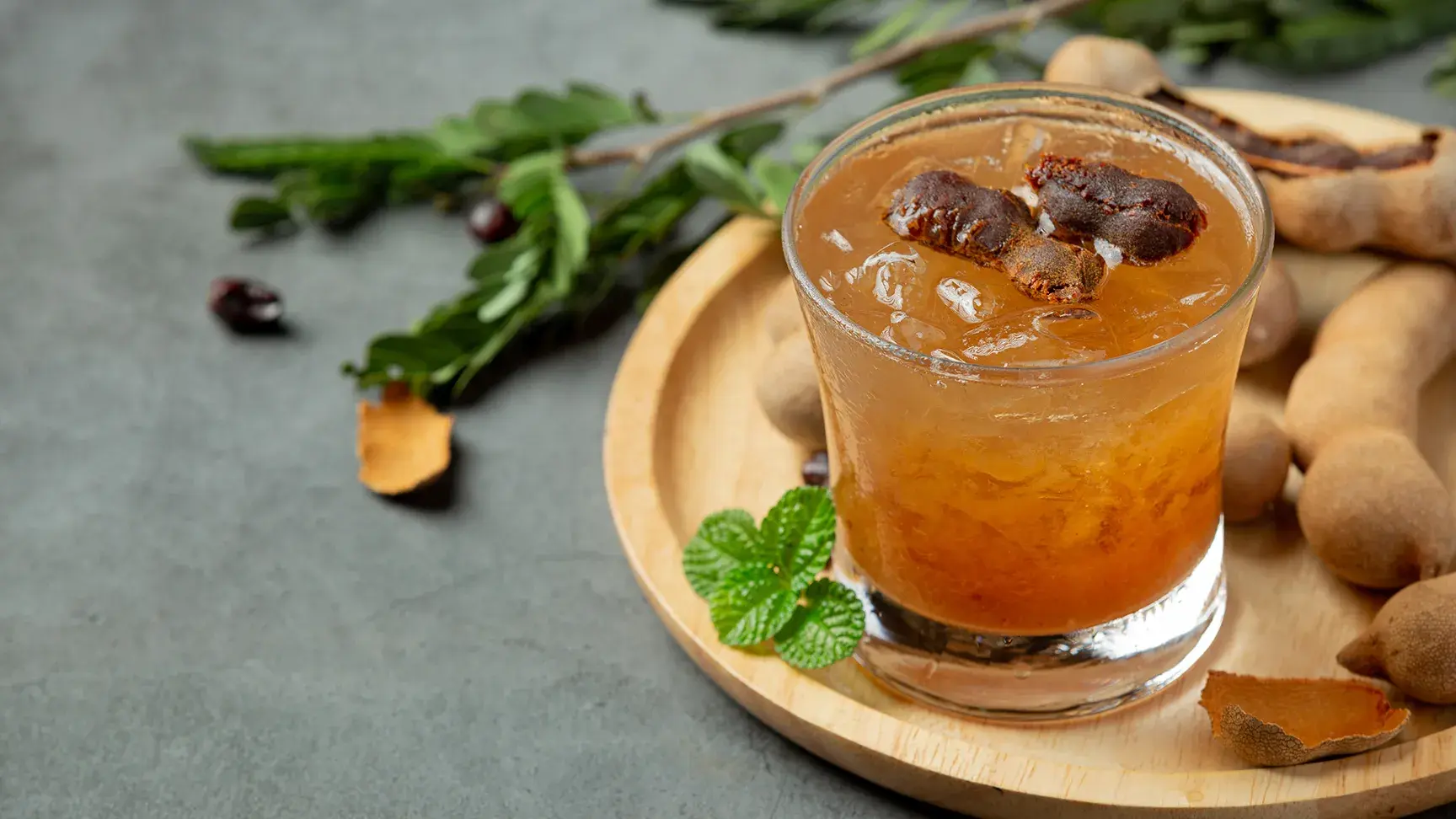
Tamarind is available in several forms, each with different characteristics and convenience levels. Whole tamarind pods, the dried brown pods containing the fruit inside, offer the most whole-food approach but require preparation time. You must crack open the pod, remove seeds and fibers, and extract the pulp, which many people find tedious. However, the whole pod form ensures you receive all the fruit's natural compounds without processing loss.
Tamarind paste represents a convenient middle ground, with the pulp extracted and concentrated, ready to use. You can consume tamarind paste by dissolving it in warm water to create tamarind juice, mixing it into sauces, or adding it to smoothies. Tamarind juice concentrate offers even greater convenience, requiring only dilution with water. Tamarind supplements in powder or tablet form provide standardized doses, though they may lose some synergistic compounds present in whole or minimally processed forms.
Research on tamarind's sexual health effects has used various forms, making it difficult to establish universal dosing recommendations. Most traditional use suggests 10 to 30 grams daily of tamarind pulp or its equivalent, though individual tolerance varies. If you are new to tamarind, start with smaller quantities, as the fruit has mild laxative properties due to its tartaric acid content. Consistency matters, as with most nutritional interventions, requiring several weeks of regular consumption to potentially see improvements in sexual function or desire.
Honest Assessment of Evidence and Limitations
While tamarind's nutrient profile provides a reasonable foundation for supporting sexual health, it is important to maintain realistic expectations about current evidence. Most research on tamarind focuses on its general health benefits, including digestive support, blood sugar regulation, and antioxidant capacity. Research specifically examining tamarind's effects on sexual function is limited compared to more studied foods like pomegranate.
The evidence supporting tamarind for sexual health is therefore suggestive rather than definitive. The mineral and antioxidant content provides a reasonable theoretical basis for sexual health support, and traditional use across multiple cultures suggests genuine benefits, but rigorous clinical trials specifically examining sexual outcomes are lacking. For this reason, tamarind works best as part of a comprehensive approach to sexual health that includes overall cardiovascular fitness, healthy relationships, adequate sleep, and stress management.

Tamarind represents an intriguing option for men interested in natural approaches to sexual health, combining a promising nutrient profile with centuries of traditional use as a sexual tonic and fertility enhancer. Its B vitamin content, particularly thiamine, supports nerve function crucial for sexual sensation and response. Its magnesium and zinc content support testosterone and reproductive health. Its antioxidants combat oxidative stress that damages sexual function. These combined properties create a reasonable foundation for tamarind's traditional reputation as a sexual health supporter.
What makes tamarind particularly valuable is its dual benefit of supporting sexual health while improving overall digestive, metabolic, and cardiovascular health. Rather than viewing tamarind as a standalone treatment, incorporate it as one element of a comprehensive approach to sexual wellness that includes exercise, sleep, stress reduction, proper nutrition, and meaningful relationships. While evidence for tamarind is less abundant than for some other natural sexual health foods, its nutrient profile and traditional use make it worth exploring for those seeking natural ways to support their sexual vitality.

Continue Reading
The latest handpicked blog articles
Check all articles