Maca Root Benefits for Men: Does It Work?

- Maca (Lepidium meyenii) is a cruciferous root vegetable from the Peruvian Andes traditionally used for fertility and sexual performance
- Unlike many natural aphrodisiacs, maca does not appear to increase testosterone directly, but instead works through pathways affecting sexual desire and mood
- Multiple randomized controlled trials have demonstrated maca's effects on sexual libido and erectile function in men
- Red and black maca varieties show stronger effects for male sexual function compared to yellow maca, the most common commercial form
Quick Answers:
- Does maca root actually work? Research shows maca improves sexual desire and erectile function in men, particularly after 4 to 12 weeks of consistent use, though the effect is modest.
- Does maca increase testosterone? Maca does not appear to raise serum testosterone levels, but likely works through alternative neurological and vascular pathways affecting sexual function.
- How much maca should men take daily? Clinical trials used 1.5 to 3.0 grams of maca powder daily, the typical dosing range for sexual health benefits.
- How long does maca take to work? Most studies show improvements in sexual function after 4 to 8 weeks of consistent daily consumption, though some men notice benefits within 2 to 3 weeks.
- Is maca safe? Maca is well-tolerated with minimal side effects in clinical research, though individuals with thyroid disease should consult a doctor before use.

The Research on Maca and Male Sexual Function
Maca's reputation as a sexual performance enhancer has substantial clinical support from randomized controlled trials, rare among natural aphrodisiacs. The foundational 2002 study by Gonzales and colleagues examined 60 men with normal erectile function and found that maca supplementation at 1.5 to 3.0 grams daily improved sexual desire measured on the Sexual Desire Inventory compared to placebo. Importantly, this study used men without erectile dysfunction, suggesting maca's primary effect is on sexual desire and arousal rather than treatment of existing dysfunction. A 2009 systematic review examining multiple maca studies concluded that evidence supports maca's effect on sexual desire and erectile function, though the authors noted that most studies had small sample sizes and quality limitations. The consistent finding across trials is that maca improves subjective measures of sexual satisfaction and desire, measured through validated questionnaires. Physical measures of erectile quality, assessed through objective testing, show more variable results. A 2010 study in the journal Andrologia demonstrated that maca improved sexual desire in men with low sexual desire secondary to depression or anxiety, suggesting maca may work through mood and neurological pathways. The mechanism of maca does not appear to involve direct testosterone elevation, distinguishing it from pharmaceutical hormone treatments. Blood tests measuring serum testosterone show minimal changes from maca supplementation, indicating that maca works through different biological pathways than testosterone replacement. This suggests maca may benefit men with normal testosterone levels who have experienced age-related decrements in sexual desire, or those whose erectile dysfunction has psychological rather than purely vascular causes. The timeline for effectiveness is important. Most studies showing benefit required 4 to 8 weeks of consistent daily use before improvements appeared, with some participants noticing benefit as early as 2 to 3 weeks. This gradual onset suggests maca works through adaptive processes rather than acute neurological effects, making consistency more important than sporadic high-dose consumption.
Black and Red Maca Versus Yellow Maca
Maca comes in several varieties distinguished by root color, each with slightly different nutrient profiles and purported health benefits. Yellow maca is the most common commercial form, chosen for its mild flavor and easier cultivation. Black and red maca varieties contain higher concentrations of certain phytochemicals and glucosinolates, compounds believed to contribute to sexual and reproductive health effects. A 2016 study examined the differences between maca varieties and found that red maca showed superior effects on erectile function in men with erectile dysfunction compared to yellow maca. Black maca demonstrated advantages for semen volume and sperm quality, making it potentially more valuable for men with fertility concerns. The biochemical distinction between varieties appears to relate to their glucosinolate content, compounds unique to Brassicaceae plants like maca. These glucosinolates, when ingested, break down into isothiocyanates and nitriles, compounds with bioactivity affecting reproductive tissues and sexual function. Black maca's stronger effect on semen production aligns with its traditional use in Peruvian livestock breeding to enhance fertility. While yellow maca remains widely available and affordable, men seeking sexual function improvements may experience better results with red or black maca varieties. Unfortunately, commercial labeling often fails to specify maca variety, making it difficult for consumers to ensure they are purchasing the more effective forms. When selecting maca supplements, looking for products that explicitly state the variety and ideally provide third-party testing for glucosinolate content helps ensure efficacy. The higher cost of red and black maca is justified by their superior research support for sexual function benefits.

Maca for Fertility and Sperm Production
Beyond sexual desire and erectile function, maca shows promise for male fertility and semen quality. Men taking maca demonstrate improvements in semen volume, sperm count, and sperm motility in some clinical trials. A 2001 study published in the journal Fertility and Sterility examined 24 men and found that maca supplementation increased both semen volume and sperm motility. A 2005 trial by the same research group confirmed increased sperm count and motility in men taking maca compared to placebo. Black maca varieties appear to have the strongest effects on fertility parameters, consistent with its traditional use for reproductive enhancement. The mechanism behind maca's effect on semen production is not entirely clear but likely involves multiple pathways. Some researchers propose that maca's nutrient profile, including amino acids and minerals, directly supports sperm production. Others suggest that maca's glucosinolates affect the endocrine system in ways that indirectly support spermatogenesis. For men concerned about fertility or semen volume, maca combined with other evidence-supported interventions may be valuable. Standard fertility recommendations include adequate zinc intake, sufficient vitamin C and E for antioxidant support, proper hydration, and avoidance of testicular heat stress. Maca adds to these interventions but does not substitute for them. Men with confirmed low sperm parameters should work with a fertility specialist or urologist before relying on supplements, as underlying conditions like hormone imbalance or varicocele require medical intervention.
How to Use Maca and Setting Realistic Expectations
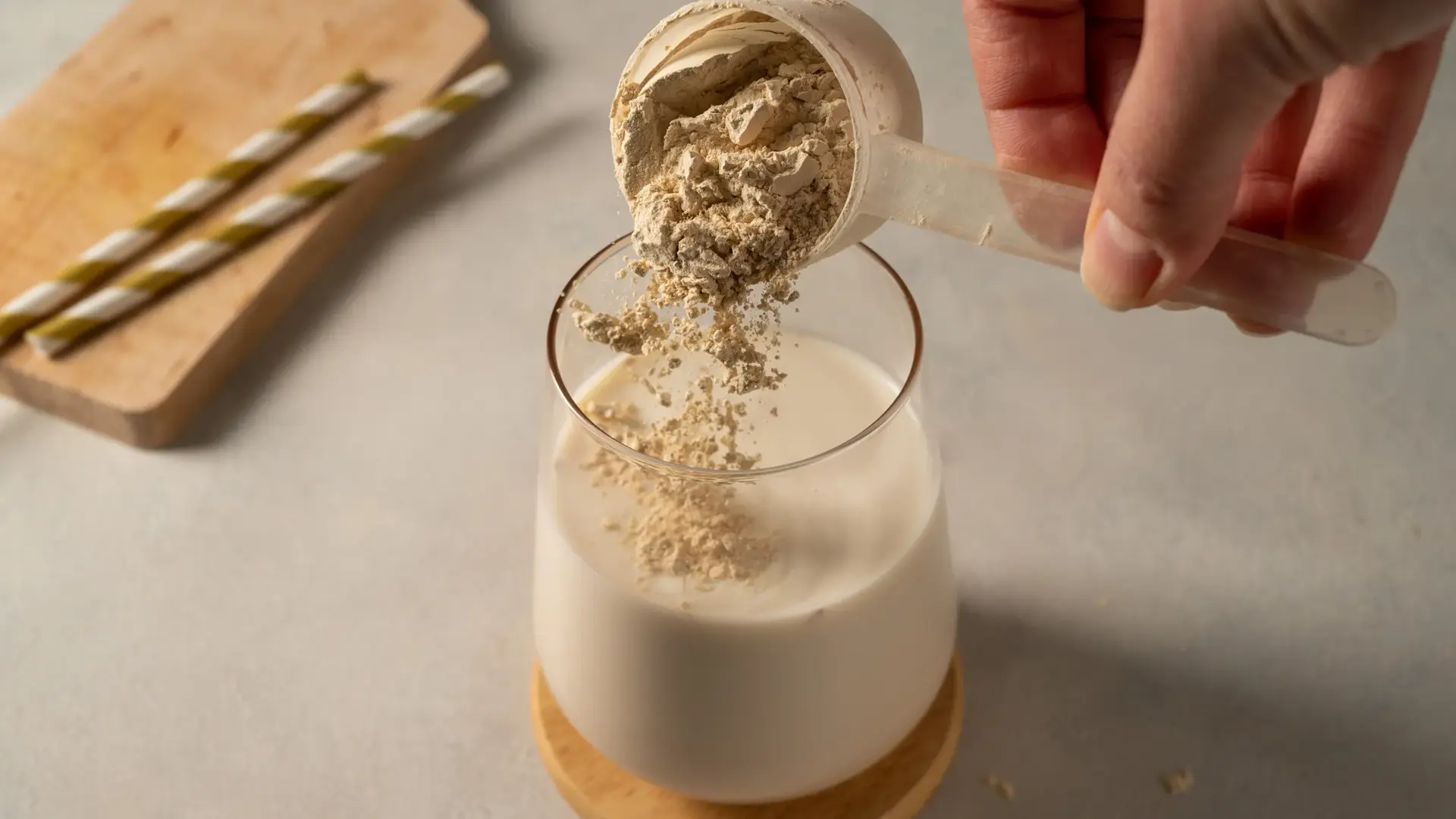
The effective dose for maca based on clinical research is 1.5 to 3.0 grams daily, taken consistently. Maca powder can be mixed into smoothies, yogurt, or other foods to improve palatability. Standardized extracts also exist, though whole-root powder retains more of the original plant compounds. The full effects of maca develop over weeks, so patience and consistency are essential. Men noticing no improvement after 4 weeks may be using an ineffective product or may not be responders to maca. Individual variation in response to maca is substantial, with some men experiencing significant improvement in sexual desire and others experiencing minimal change. This variability likely reflects differences in underlying causes of reduced sexual function, individual neurochemistry, and genetic factors affecting nutrient absorption. Maca is well-tolerated in clinical trials, with minimal side effects reported. Some men report mild insomnia or increased energy when first taking maca, which typically resolves within days. Men with thyroid disease should consult their doctor before taking maca, as glucosinolates in cruciferous plants can theoretically affect thyroid function, though this is primarily a concern with very high consumption. Maca is not recommended for men with a history of hormone-sensitive prostate cancer, as the plant's effects on reproductive hormone pathways are not fully understood in this population. For most men without medical contraindications, maca represents a safe, evidence-supported option for supporting sexual desire and function as part of a comprehensive approach to sexual health.
Maca root is one of the better-researched natural aphrodisiacs, with multiple randomized controlled trials demonstrating improvements in sexual desire, erectile function, and semen quality in men. Unlike many herbal remedies, maca's effects appear genuine but modest, requiring consistent daily use for 4 to 8 weeks before benefits emerge. Black and red maca varieties show stronger effects than yellow maca, particularly for sexual function and fertility. The mechanism of maca does not involve direct testosterone elevation, instead working through neurological and reproductive pathways that enhance sexual desire and function. For men seeking natural approaches to supporting sexual health, maca offers an evidence-based option that complements other lifestyle and medical interventions.

Continue Reading
The latest handpicked blog articles
Check all articles