How to Clean Sex Toys: Complete Hygiene Guide


Introduction
- Proper sex toy hygiene protects your body and extends the toy’s lifespan
- Learn how to clean silicone, glass, and battery-operated toys the right way
- Discover common mistakes to avoid when cleaning intimate devices
- Know when to sanitize, when to soap and rinse, and what products to avoid

How to clean sex toys safely
Sex toys come into contact with sensitive parts of the body, which means cleaning them isn’t just about maintenance — it’s essential for health.
Improperly cleaned toys can lead to bacterial or yeast infections, irritation, or even transmit STIs when shared.
The first rule of thumb: always clean your toy before and after use. Even if it's stored in a clean space, dust and microscopic debris can accumulate between sessions.
Start by identifying the toy’s material and whether it’s waterproof, battery-operated, or electric. These details will determine your cleaning method.
How to clean silicone sex toys
Silicone is non-porous, hypoallergenic, and one of the safest materials for intimate products.
To clean:
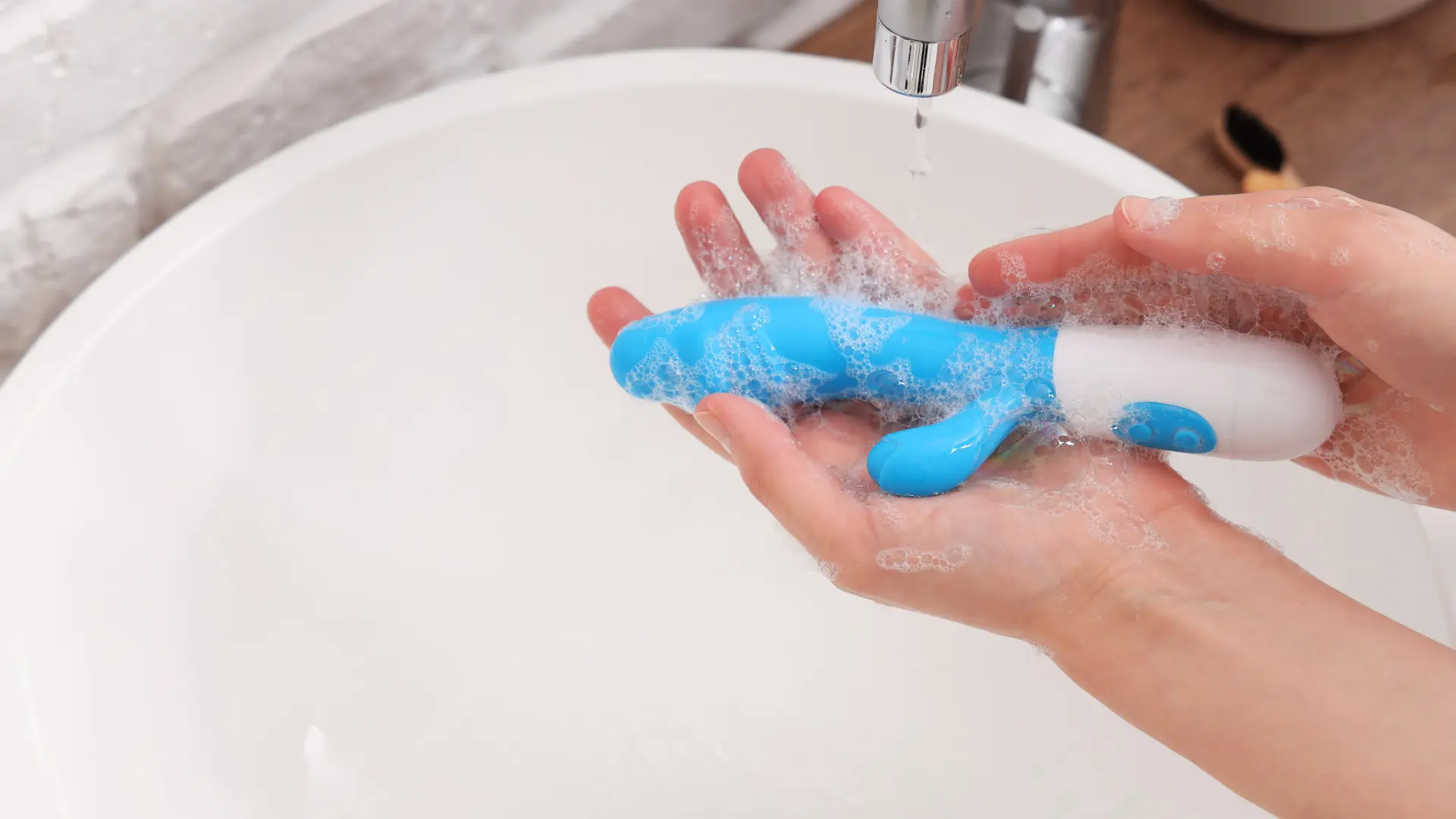
- Wash with warm water and a mild, unscented soap
- Avoid strong detergents, alcohol, or bleach
- Let air dry or use a clean, lint-free towel
If the toy is 100% silicone and doesn’t contain motors, it can often be boiled for 3–5 minutes for deep disinfection.
How to clean vibrators and battery-operated toys
Many vibrators have internal electronics that are not waterproof, so full submersion is not safe.
To clean:
- Remove batteries or turn off the device
- Wipe down the exterior with a damp cloth and gentle soap
- Use a toy-safe cleaner spray for hard-to-reach parts
- Never immerse the charging port or motor in water
Be extra cautious with seams, buttons, or textured surfaces where residue can build up.
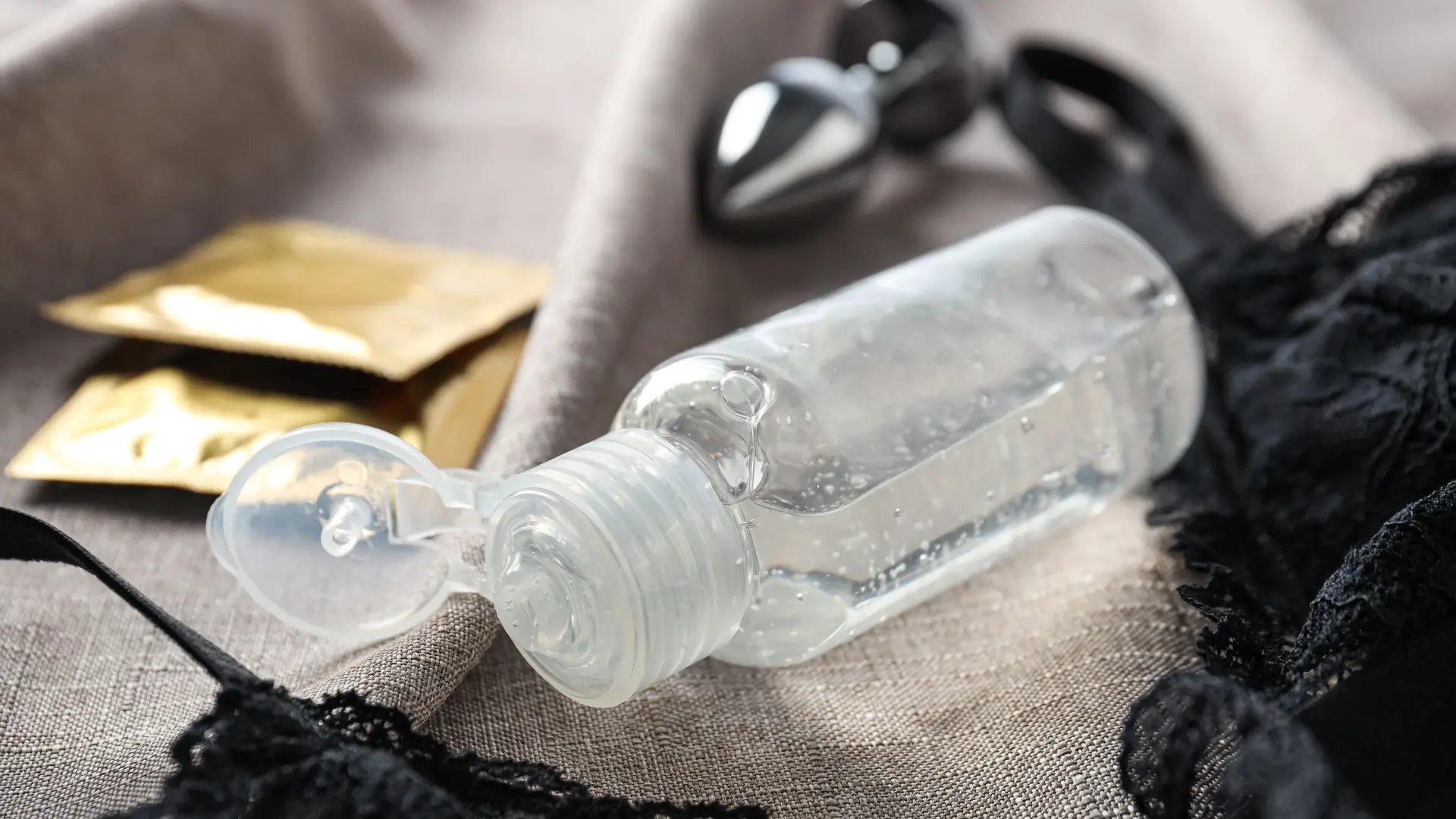

How often should you sanitize sex toys?
Sanitize toys that are:
- Shared between partners
- Used for anal penetration
- Made from porous materials like jelly rubber or latex
- Used without a condom or barrier
Silicone and glass toys that are non-electric can be sanitized by boiling or using a 10% bleach solution (1 part bleach to 9 parts water), followed by a thorough rinse and dry.
What cleaning methods to avoid
- Don’t use harsh household cleaners, as they can irritate skin
- Don’t put non-waterproof toys in the dishwasher unless labeled safe
- Don’t use toy cleaners with glycerin, parabens, or alcohol if you have sensitive skin
Avoid storing toys while damp or in direct sunlight, which can degrade materials.
Is there a connection between sex toy hygiene and sexual health?
Absolutely. Unclean sex toys can disrupt the balance of natural bacteria, especially in vaginal and anal environments. This may lead to infections or irritation, particularly in users with sensitive tissue or underlying conditions.
If you experience recurrent irritation or infections, cleaning habits may be the missing piece.
For those using sexual health support like Tadalafil or Sildenafil, clean toys can ensure these medications deliver results without additional complications.
Conclusion
Clean sex toys are essential for healthy and satisfying intimacy. Whether it’s a silicone toy or a rechargeable vibrator, proper care helps you stay safe and confident.

Continue Reading
The latest handpicked blog articles
Check all articles