Honey Benefits Sexually: What Science Says


- Honey contains boron, which plays a direct role in testosterone production and free testosterone availability in men
- The mineral supports the enzyme 17-beta-hydroxysteroid dehydrogenase, which regulates testosterone synthesis from precursor molecules
- Raw honey also contains nitric oxide and antioxidants that improve blood vessel function and vascular health
- The traditional use of honey as an aphrodisiac across ancient cultures has modern biological support from research on its micronutrient profile
Quick Answers:
- Does honey make you horny? Honey's boron content may modestly increase free testosterone levels, and its antioxidants improve vascular function, creating conditions that support sexual desire and erectile function.
- What is the active ingredient in honey for sexual benefits? Boron is the key mineral for testosterone metabolism, while nitric oxide and antioxidants support the vascular function necessary for sexual arousal.
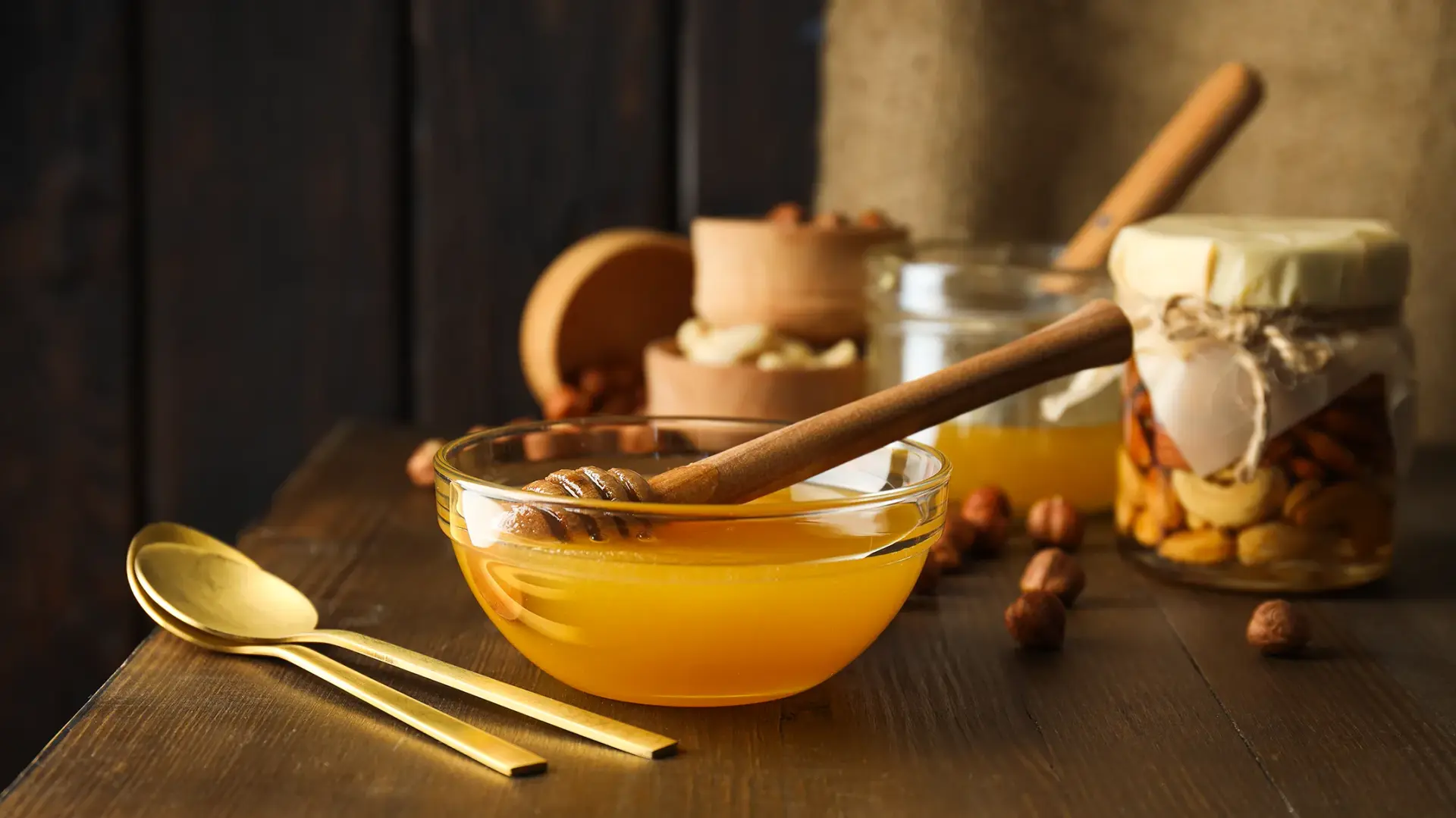
- How much honey should men eat daily? One to two tablespoons of raw honey daily provides approximately 0.5 to 1.0 milligrams of boron, amounts that may influence testosterone metabolism.
- Is all honey the same sexually? Raw honey retains more boron and enzymes than processed honey, making it the better choice for potential sexual health benefits.
- Why is "honeymoon" called honeymoon? Ancient marriage customs involved couples consuming honey daily during the first lunar month, believed to enhance fertility and sexual function through honey's aphrodisiac properties.
The Boron Connection: Honey and Testosterone Metabolism
Honey's most significant contribution to male sexual health comes from its boron content, a mineral essential for testosterone regulation in men. Boron acts as a cofactor for the enzyme 17-beta-hydroxysteroid dehydrogenase, which catalyzes the conversion of androstenediol and other testosterone precursors into free testosterone. In healthy men, this enzyme activity directly determines how much testosterone is bioavailable to support sexual desire, muscle mass, and sexual performance. Research examining boron supplementation consistently demonstrates increases in free testosterone, the hormonally active form of the hormone. A 2015 study published in Nutrition Reviews found that boron supplementation in men increased free testosterone by approximately 25 percent while reducing estrogen levels, a favorable hormonal shift for sexual function. However, the boron content in honey is modest, with one tablespoon of honey containing roughly 0.3 to 0.5 milligrams of boron. The studies showing significant testosterone increases used boron supplements providing 3 to 10 milligrams daily, substantially higher than dietary honey consumption alone provides. To approach therapeutic boron levels through honey, a man would need to consume 10 to 20 tablespoons daily, which is impractical due to the sugar content and caloric load. Despite this limitation, honey does contribute meaningful boron to a man's daily intake, and combined with other boron-rich foods like almonds, avocados, and beans, dietary sources can provide collective benefit. Honey's testosterone-supporting effect is real but gradual and modest, making it most valuable as one component of a comprehensive approach to hormonal health rather than a standalone intervention for low testosterone.
Honey's Antioxidant and Nitric Oxide Properties
Beyond boron, honey provides significant antioxidant benefits that support sexual function through vascular pathways. Raw honey contains numerous antioxidant compounds including flavonoids, phenolic acids, and enzymes like catalase and peroxidase. These antioxidants reduce oxidative stress in the bloodstream and blood vessel walls, protecting nitric oxide from degradation. Nitric oxide, the critical signaling molecule for erectile function, is rapidly destroyed by superoxide radicals produced during oxidative stress. Honey's antioxidants extend the half-life of nitric oxide, allowing more of this vascular-active compound to reach penile tissues. Additionally, raw honey contains small amounts of nitric oxide itself, providing a direct source of this vasodilatory compound. Studies on honey and cardiovascular function show improvements in endothelial function, the health and responsiveness of the inner lining of blood vessels. Better endothelial function translates directly to better erectile function, since penile erections depend on the endothelium's ability to produce nitric oxide and relax blood vessel smooth muscle. The flavonoid content in honey also supports endothelial nitric oxide synthase activity, the enzyme responsible for producing nitric oxide in blood vessels. Different types of honey contain varying antioxidant levels depending on the flower source and processing. Darker honey varieties like buckwheat and manuka honey contain higher antioxidant concentrations than lighter varieties. Raw, unprocessed honey retains more active enzymes and antioxidants than pasteurized honey, since heating degrades heat-sensitive compounds. For men interested in honey's sexual health benefits, raw honey from a local beekeeper or specialty food retailer offers the highest antioxidant and active compound content.


Traditional Use Across Cultures and Modern Understanding
The traditional use of honey as an aphrodisiac spans thousands of years of human history, from ancient Egypt to India to medieval Europe. Egyptian texts document honey's use in fertility rituals and sexual enhancement, and the plant has always been considered a symbol of sensuality and abundance. Ayurvedic medicine classifies honey as a rasayana, a substance that promotes vigor, vitality, and sexual performance. Traditional Chinese medicine similarly uses honey to tonify sexual essence and enhance reproductive function. The historical consistency of this belief suggests that ancient peoples noticed improvements in sexual function from honey consumption. Modern nutritional science has revealed why these traditional observations hold merit. The boron content in honey influences testosterone, the antioxidants support vascular health, and the micronutrient profile collectively supports the hormonal and vascular systems underlying sexual function. The term "honeymoon" derives from ancient practices where newlyweds would consume honey daily during the first lunar month of marriage, a period believed to optimize fertility and sexual performance. Some historical sources suggest that the honey was often mixed with other aphrodisiacs like ginger, cinnamon, and cloves, creating a compound approach to sexual enhancement. While modern couples rarely observe this practice literally, the historical precedent demonstrates that cultures recognized specific foods and timing for supporting sexual health and fertility.
How to Use Honey for Sexual Health Benefits and Realistic Expectations
For men interested in incorporating honey as part of a sexual health strategy, consuming one to two tablespoons of raw honey daily provides a practical and enjoyable starting point. The boron, antioxidants, and micronutrients work cumulatively over weeks, so consistency matters more than quantity. Many men combine honey with other natural aphrodisiacs to create a synergistic effect. A common approach involves mixing raw honey with ginger, which itself has research supporting benefits for erectile function and sexual arousal. Another option combines honey with nuts like almonds or walnuts, which provide additional micronutrients supporting sexual health. Some men add honey to herbal teas like ginseng or tribulus terrestris, allowing multiple complementary compounds to work together. The sweetness of honey also supports palatability of other beneficial foods, making a comprehensive sexual health approach more sustainable. It is important to maintain realistic expectations. Honey will not produce the dramatic effects of pharmaceutical interventions like Viagra or testosterone replacement therapy. The improvement occurs gradually over weeks and is most noticeable in men with mild decreases in libido or erectile quality rather than in men with significant erectile dysfunction or very low testosterone. Additionally, the sexual benefits of honey depend on overall lifestyle factors. A man consuming honey daily while sleeping poorly, experiencing chronic stress, and remaining sedentary will see minimal benefit. Honey works best integrated into a comprehensive approach including exercise, quality sleep, stress management, healthy diet, and relationship quality. For men without significant medical conditions, honey represents a safe, enjoyable, and evidence-supported addition to a sexual health strategy.

Honey provides legitimate sexual health benefits through its boron content, which supports testosterone metabolism, combined with antioxidants and nitric oxide compounds that improve vascular function. The traditional use of honey as an aphrodisiac across cultures has biological support from modern nutritional science, though the effects are gradual and modest compared to pharmaceutical interventions. Raw honey consumed daily as part of a comprehensive sexual health approach can modestly improve libido and erectile function, particularly in men with mild sexual concerns. The key to success is maintaining realistic expectations and integrating honey into a broader lifestyle approach that includes exercise, sleep, stress management, and overall health optimization.

Continue Reading
The latest handpicked blog articles
Check all articles