Do Condoms Expire? Everything You Need to Know


Introduction
- Yes, condoms expire and can lose their protective qualities over time
- Learn when do condoms expire and how to check expiration dates and warning signs
- Understand why do condoms expire and how materials degrade
- Discover the best ways to store condoms safely and what to do if you're worried about performance

Do condoms expire and what happens if you use an old one?
Condoms are medical-grade devices made from materials like latex, polyurethane, or polyisoprene. Over time, these materials degrade, making the condom more prone to breakage or failure.
Yes, condoms absolutely expire. Using an expired condom increases the risk of it tearing, leaking, or slipping off during sex. This can lead to unintended pregnancy or transmission of sexually transmitted infections (STIs).
If a condom feels dry, brittle, sticky, or discolored, do not use it—even if the printed date has not passed.
When do condoms expire and how is the shelf life determined?
Condom expiration is based on the type of material used, any added chemicals, and storage conditions.
Typical expiration ranges:
- Latex condoms: up to 5 years if stored properly
- Latex condoms with spermicide: 3 years or less
- Polyurethane condoms: usually around 3 to 5 years
- Lambskin condoms: shorter shelf life and less STI protection
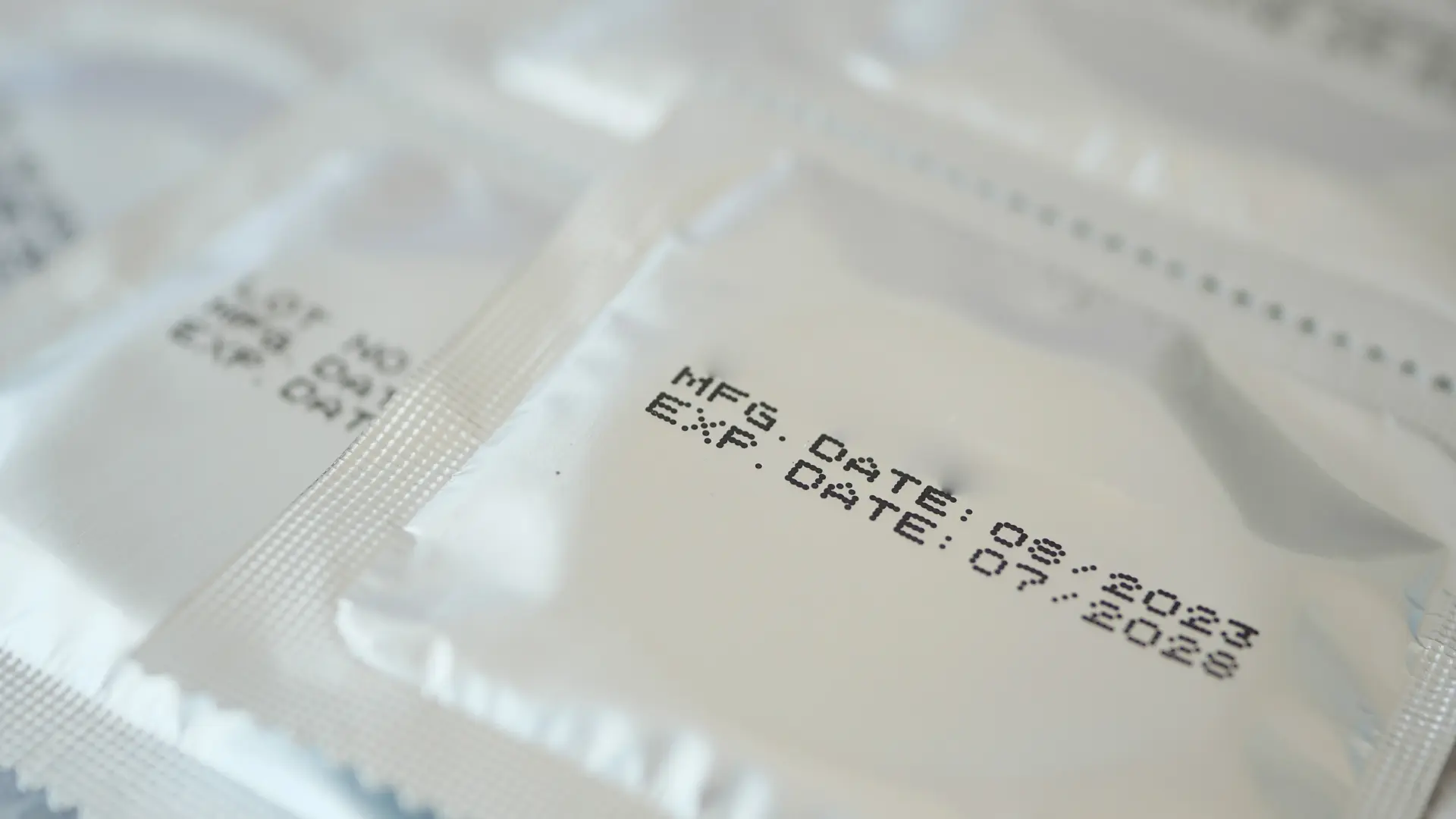
Expiration dates are printed on the packaging. Look for this before every use. It’s your easiest safety check.
Can condoms expire faster due to how you store them?
Yes. Poor storage conditions can shorten shelf life even if the printed date hasn’t passed. Avoid:
- Leaving condoms in a hot car
- Storing them in your wallet for months
- Exposing them to direct sunlight, heat, or humidity
Instead, keep condoms in a drawer, nightstand, or other cool, dry place. Store them in their original wrappers until use.

Why do condoms expire in the first place?
Condoms expire because their materials are sensitive to oxidation, heat, moisture, and air exposure. Latex and other materials lose flexibility and integrity over time.
This leads to weakened structure, increasing the chance of small tears, pinholes, or full breakage. Even if a condom looks okay, it may no longer offer full protection.
Using an expired condom compromises safety and effectiveness—something not worth risking.
Can you use a condom that's close to expiring?
Technically, you can use a condom near its expiration date, but it’s not ideal. Condoms lose elasticity and strength as they approach expiration.
If it's the only option, inspect it carefully for signs of damage or drying. But ideally, replace older condoms with fresh ones regularly. Think of it like rotating food in your fridge—better safe than sorry.
What if you’re also concerned about performance or stamina?
If you’re using condoms but still struggling with confidence, stamina, or maintaining an erection, consider pairing your protection with natural performance enhancement.
Performance enhancement products can support blood flow, improve consistency, and reduce anxiety around sex.
What happens if a condom breaks during sex?
If a condom tears or slips off during intercourse, stop immediately. You may need emergency contraception, STI testing, or follow-up with a provider.
Always keep a backup condom nearby. And remember—expired condoms are far more likely to break. Prevention is the best plan.
Conclusion
Condoms are one of the simplest and most effective ways to protect yourself and your partner during sex, but only when they’re used properly and within their shelf life.
Check expiration dates regularly, store them safely, and discard any that seem worn, dried out, or outdated.

Continue Reading
The latest handpicked blog articles
Check all articles