How to Get Birth Control: Complete Access Guide

Introduction
- Birth control is more accessible than ever thanks to telehealth, pharmacies, and community clinics
- Learn how to get birth control pills, patches, shots, or rings — with or without insurance
- Explore online and in-person options for faster access
- Discover what to expect when starting birth control

Where to get birth control: your options explained
You can access birth control from several trusted sources, depending on your needs, location, and insurance.
Main options include:
- Online telehealth clinics: prescription and delivery services
- Local healthcare providers: OB/GYNs, family planning clinics
- Pharmacies: with a prescription or over-the-counter
- Community clinics: like Planned Parenthood, often offering sliding-scale pricing
Each option has pros and cons. Telehealth is fast and discreet, while in-person visits can include physical exams and broader care.
How to get birth control online
Online birth control services offer convenience, especially for people with limited access to providers.
Steps to follow:
- Choose a licensed telehealth platform (such as Nurx, Favor, or Lemonaid)
- Complete a health questionnaire
- A licensed provider reviews your info
- Your prescription is shipped or sent to a local pharmacy
Some platforms offer same-day approval and delivery in certain areas.
Cost varies: some accept insurance, while others charge flat fees ($15–$25/month). Generic options are usually more affordable.
Where to get birth control pills in person
If you prefer face-to-face care or need a pelvic exam, you can:
- Schedule an appointment with your OB/GYN or primary care provider
- Visit a family planning clinic or sexual health center
- Go to a retail pharmacy in states that allow pharmacists to prescribe birth control
Ask about 12-month prescriptions, which reduce pharmacy trips.
Don’t have insurance? Clinics like Planned Parenthood offer low-cost options or assistance programs.

Unlock a Healthier Life. Free.
Our monthly Health and Wellness program is ready for you. A unique opportunity to transform your routine at no cost.
By creating an account using email, I agree to the Terms & Services, and acknowledge the Privacy Policy.Types of birth control you can access
Most online and in-person providers offer:
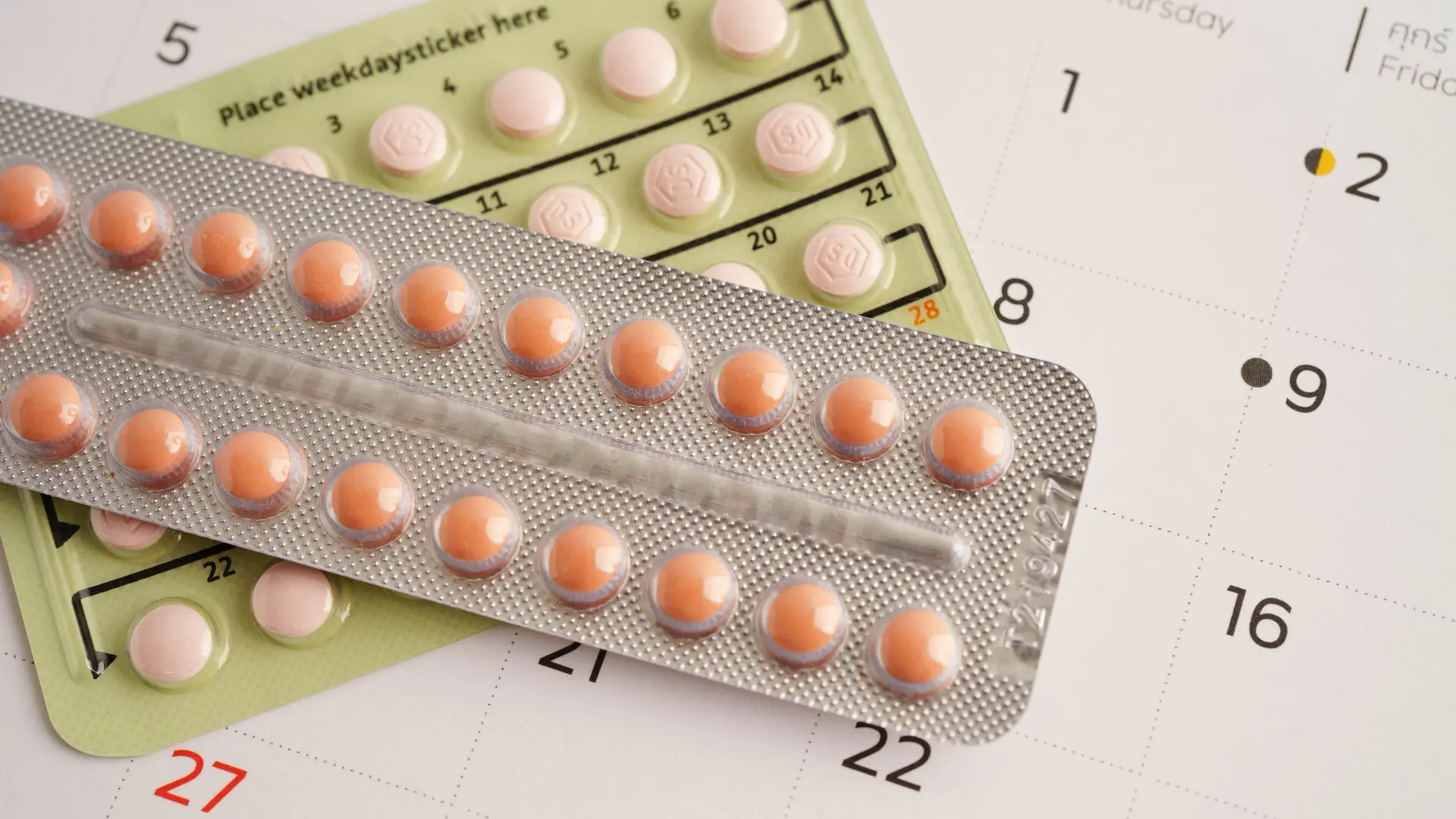
- Birth control pills (combined or progestin-only)
- Patches (replaced weekly)
- Rings (inserted monthly)
- Shots (every 3 months — in clinic or self-injected)
- Emergency contraception (like Plan B or Ella)
Long-acting options like IUDs or implants usually require in-person visits.
Before starting, a provider will review your medical history and ask about your goals (e.g., managing acne, reducing cramps, avoiding pregnancy).
Do you need a prescription for birth control?
Yes — for most hormonal methods (pills, patches, rings, and shots), a prescription is required.
Exceptions:
- Emergency contraception (Plan B) is available over the counter
- Some states allow pharmacists to prescribe hormonal birth control
- Condoms and spermicides don’t require prescriptions
Online services streamline the prescription process without needing a physical exam.
How much does birth control cost?
Costs vary based on:
- Type of birth control
- Insurance coverage
- Location and provider
- Brand vs. generic
With insurance: many methods are free or low-cost under the Affordable Care Act.
Without insurance: pills can cost $20–$50/month, but telehealth services and clinics may offer generic options at reduced rates.
Ask about mail-order options or financial assistance programs if needed.
Conclusion
Getting birth control is easier and more accessible than ever. Whether online or in person, you can find a method that fits your health needs, lifestyle, and budget.

Continue Reading
The latest handpicked blog articles
Check all articles