
What Is the Pink Salt Trick? Examining the Weight Loss Claims

Introduction
- The “pink salt trick” has gone viral as a supposed weight loss method
- Learn what this trick is, how it’s claimed to work, and what experts really say
- Discover whether pink Himalayan salt can actually impact fat burning or metabolism
- Understand safer, science-backed alternatives for long-term weight loss support
What is the pink salt trick?
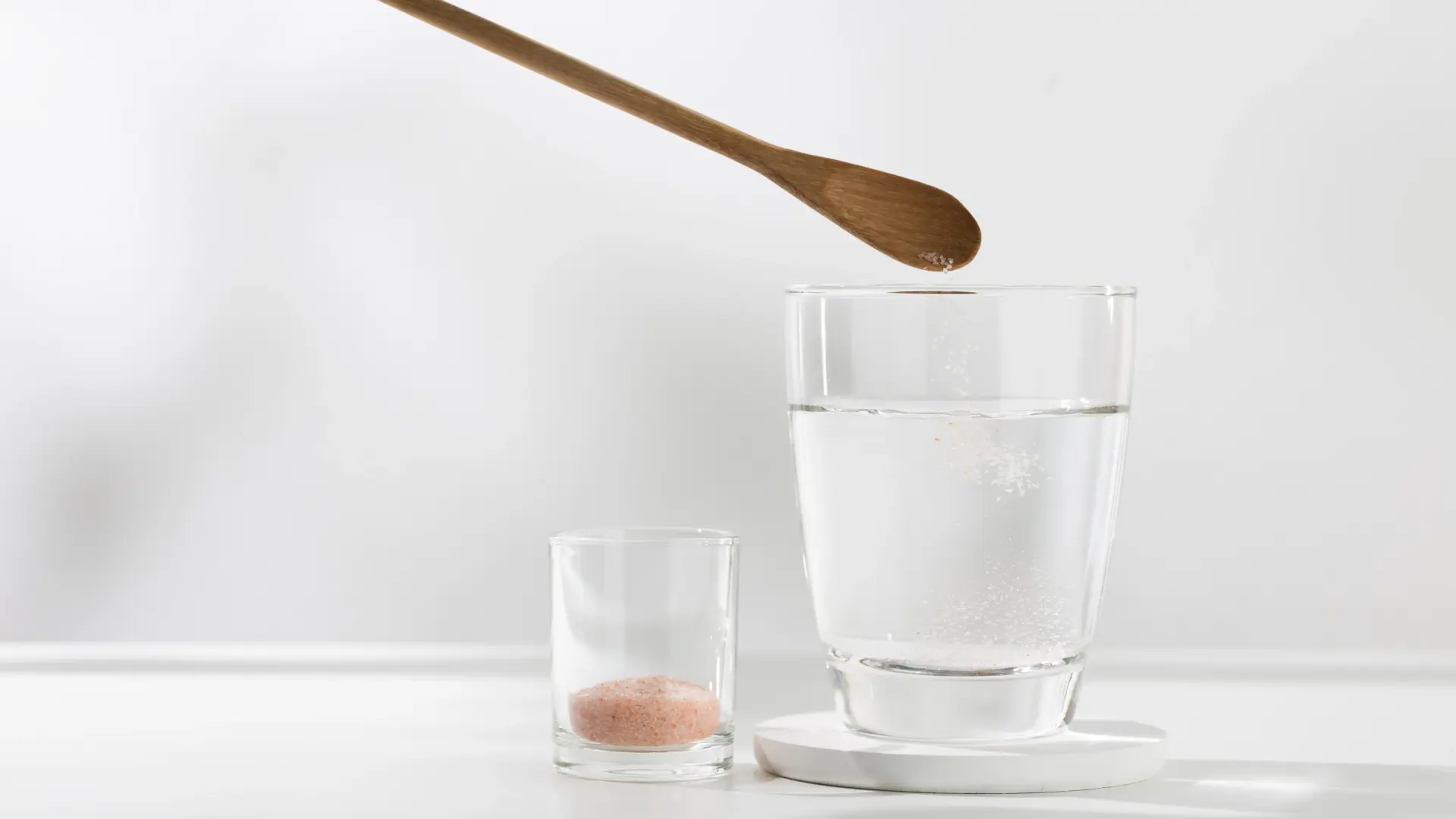
The pink salt trick is a viral trend claiming that consuming pink Himalayan salt in warm water—often with lemon or apple cider vinegar—can stimulate fat loss. Advocates suggest drinking this mixture first thing in the morning to “boost metabolism,” curb appetite, and detox the body.
Pink Himalayan salt contains trace minerals like magnesium and potassium. While this gives it a nutritional edge over regular table salt, scientific evidence does not support the idea that it melts fat or speeds up metabolism.
This trend has gained popularity largely through TikTok, wellness blogs, and influencers—but not through clinical studies.
What is the pink salt trick for weight loss supposed to do?
According to viral claims, the pink salt trick:
- Activates digestive enzymes
- Balances electrolytes for fat burning
- “Resets” the metabolism
- Reduces hunger cravings
These effects are often exaggerated or unproven. While salt can affect hydration and electrolyte balance, its impact on metabolism is minimal. More importantly, salt does not directly burn fat.
Some users may experience short-term appetite reduction due to the salty taste and liquid volume consumed, but this is not a sustainable or significant weight loss method.
Does the pink salt trick work according to science?
So far, there is no clinical evidence that consuming pink salt leads to fat loss or faster metabolism. The human body does not require special salt-based hacks to burn calories. Weight loss still depends on:
- Caloric deficit (burning more than consumed)
- Hormonal regulation
- Physical activity
- Sustainable nutrition
What’s more, excessive salt consumption can contribute to dehydration or raise blood pressure in sensitive individuals.
While pink salt isn’t inherently dangerous, relying on this trick could distract from meaningful health changes.


What is actually in pink Himalayan salt?
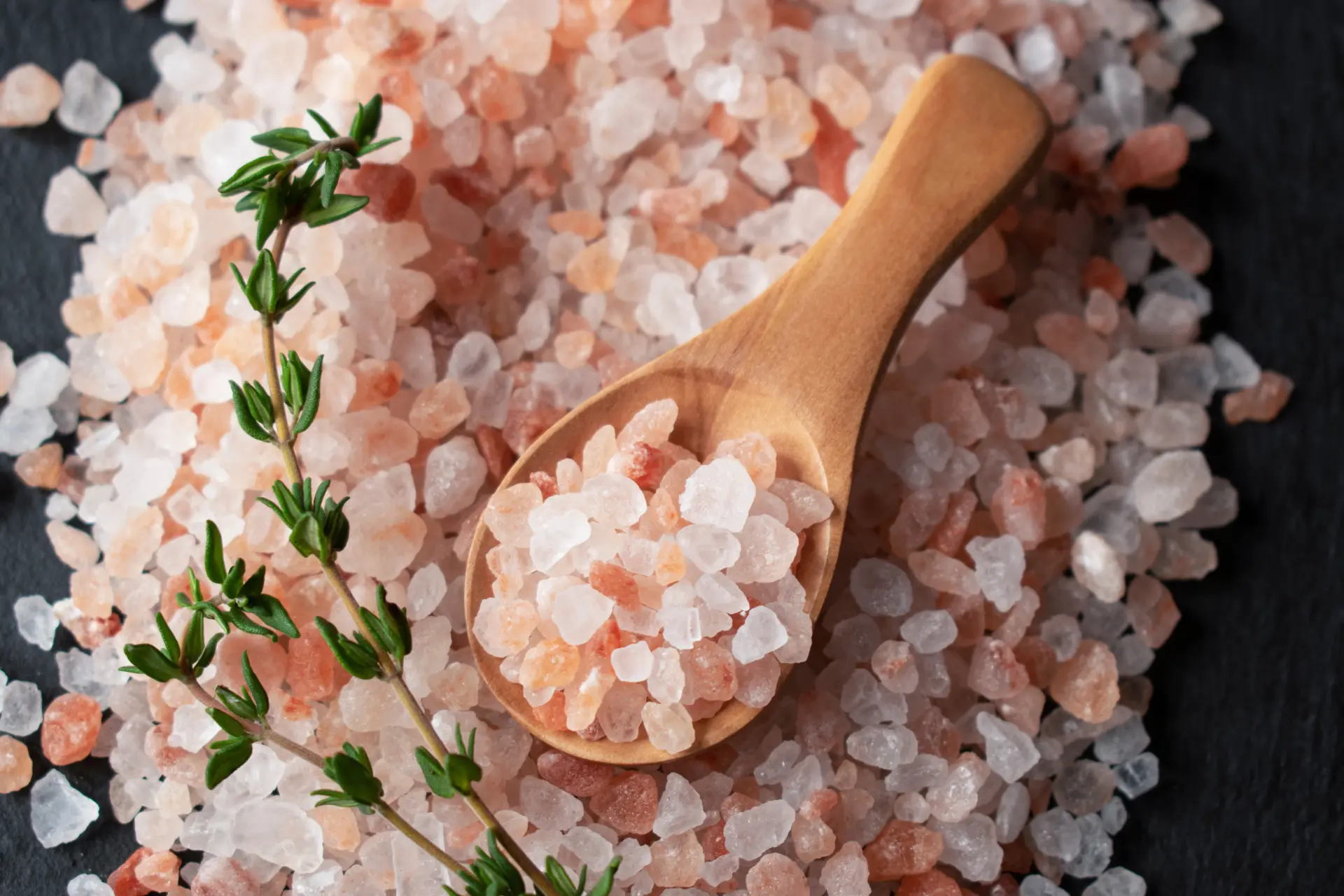
Pink salt is mined from ancient sea beds in the Himalayas and contains over 80 trace minerals, including calcium, magnesium, potassium, and iron. Its pink color comes from mineral impurities like iron oxide.
While these minerals offer minor benefits, they’re present in tiny amounts—not enough to replace a balanced diet or improve metabolic health.
Drinking saltwater in the morning does little more than hydrate you and give your body sodium. Any boost in energy or mood is likely due to placebo or normal hydration, not fat-burning properties.
Are there safer, science-backed ways to support weight loss?
Yes. If you’re trying to lose weight, there are evidence-based options that are far more effective than the pink salt trend. These include:
- Personalized nutrition plans
- GLP-1 medications that regulate hunger hormones
- Exercise that targets fat burning
- Sleep and stress management
GLP-1 therapies, in particular, have shown excellent results in helping people lose weight by naturally decreasing appetite and increasing satiety.
Should you try the pink salt trick?
If you enjoy warm lemon water or a pinch of pink salt for taste, it’s generally harmless in moderation. But using this method as a primary weight loss tool is not supported by research.
Focus on methods that align with your biology, metabolism, and long-term habits. Relying on tricks may only delay real progress.
Conclusion
The pink salt trick may be trendy, but science does not support its claims. While pink salt has trace minerals, it’s not a fat-burning tool. If you're serious about losing weight, talk to a provider about real options like GLP-1 support, lifestyle coaching, and long-term solutions.

Continue Reading
The latest handpicked blog articles
Check all articles